





Antique Pot with Lid
An antique pot with lid brings practical containment and period character together, ranging from delicate vanity jars to robust kitchen vessels.
Antique Pot with Lid
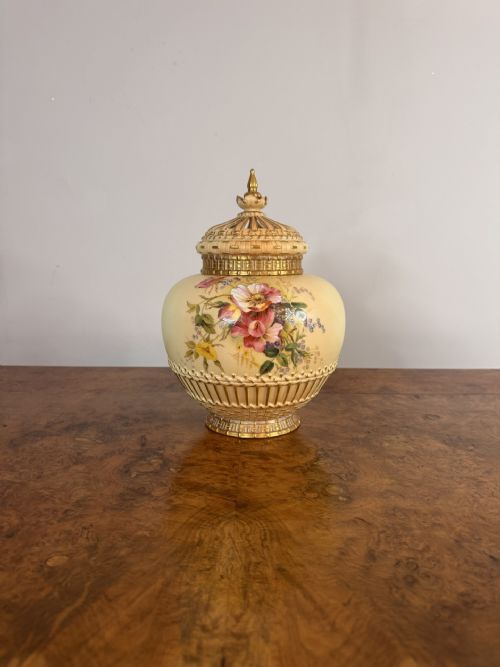
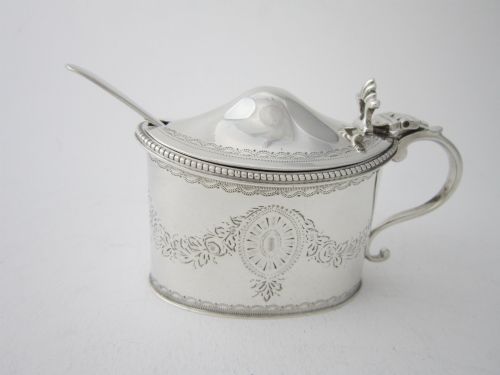
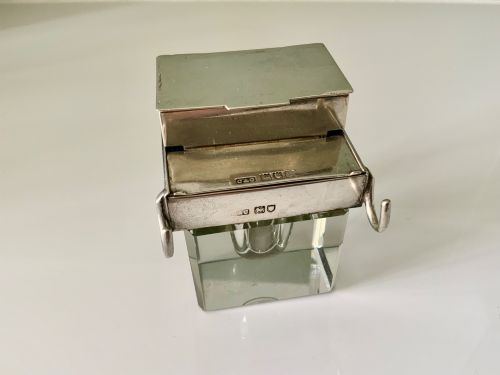
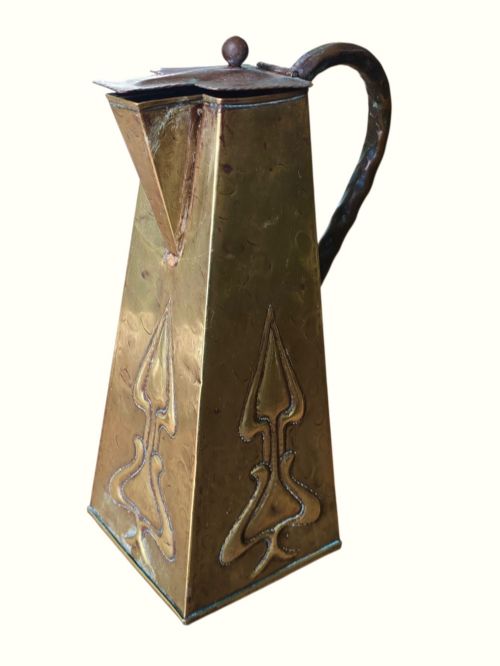
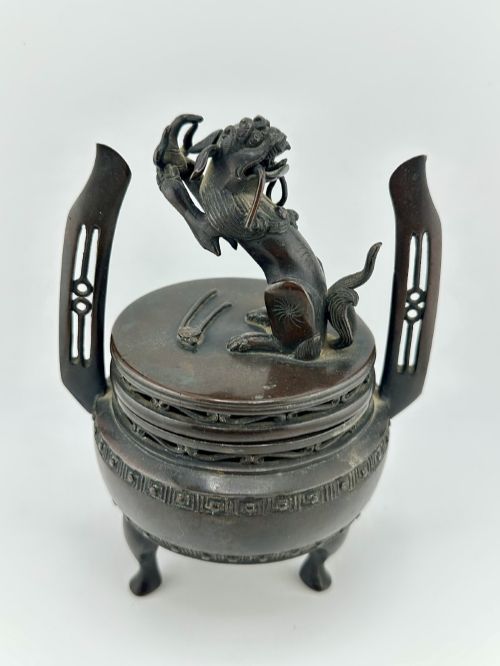
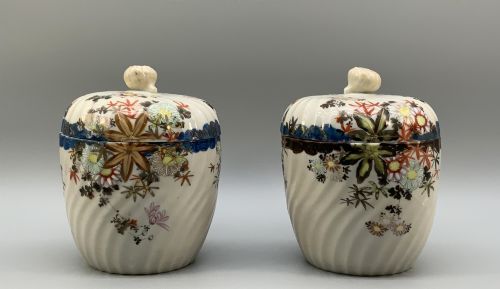
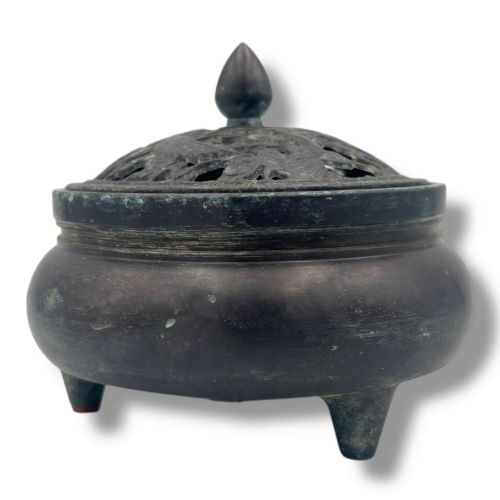
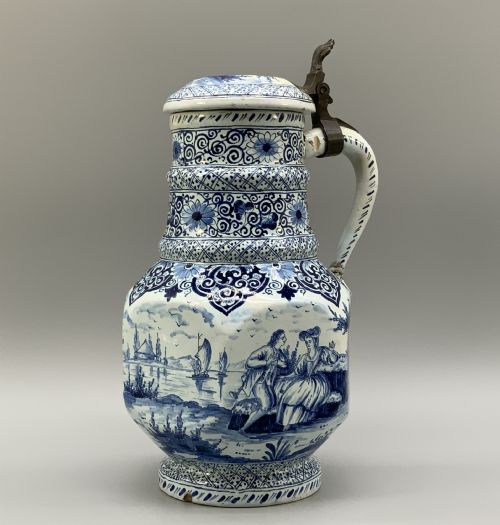
When you search for an antique pot with lid, you encounter a diverse group of lidded containers spanning several centuries and continents. These pieces served numerous domestic functions, from holding sugar and mustard to storing cosmetics, tea, and tobacco.
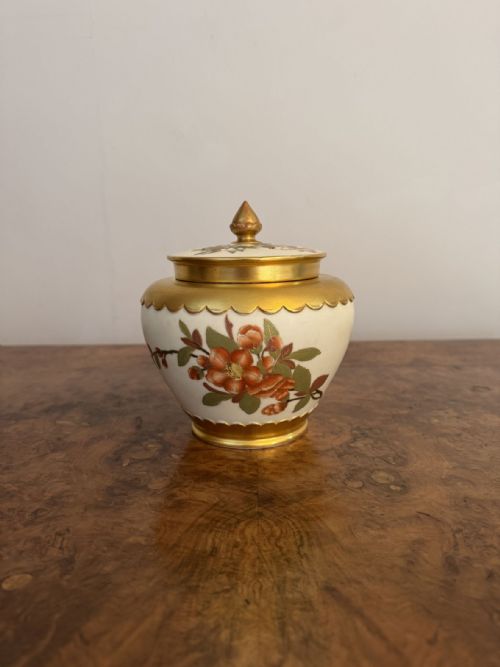
The most common examples on this page date from the Edwardian era and the nineteenth century, executed in materials such as sterling silver, porcelain, glass, and stoneware. They take forms as varied as vanity jars, sugar baskets, biscuit barrels, and small boxes.
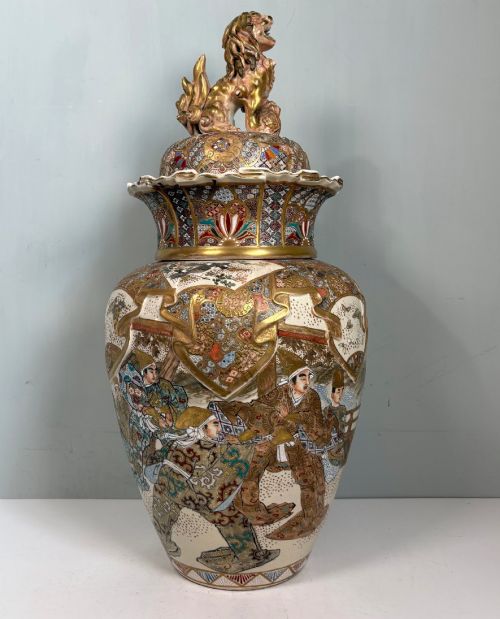
Originating from English, French, Japanese, and Chinese workshops, these covered vessels reflect the domestic habits and decorative tastes of their respective periods. They combine utility with the artistic conventions of Georgian, Victorian, Edwardian, and Meiji aesthetics.
How They Were Made
Potters and ceramists shaped earthenware, stoneware, and porcelain bodies by hand or on the wheel, often applying hand-painted glazes, blue and white pigments, or gilt detailing before firing in kilns.
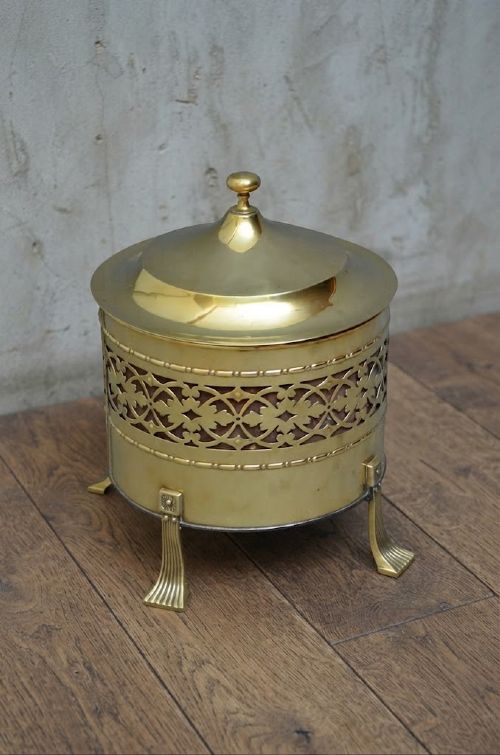
Silversmiths and metalworkers cast, hammered, and mounted sterling silver, brass, and cast iron, frequently incorporating hinged lids, collars, and fretwork designs.
Glassmakers utilised facet cutting, latticinio canes, and overlay techniques to form crystal inkwells, cranberry glass biscuit barrels, and cut glass vanity jars.
Antique Pot with Lid Retail Price Guide 2026
Typical asking prices for pot with lid among the pieces listed under this phrase on Sellingantiques today, from the lower quarter to the upper quarter. They describe what is for sale here now, not the wider market.
Samurai warriors painted onto Imari porcelain sugar bowls watch over your kitchen counter with stern historical vigilance.
What Varies in Quality
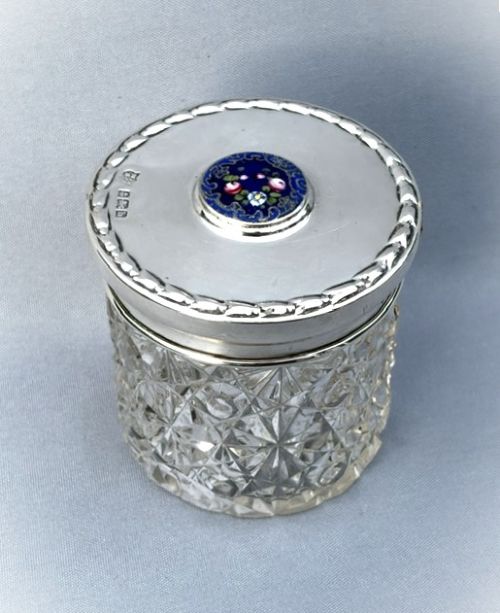
The refinement of the materials and the crispness of execution distinguish finer examples from standard production. Hand-painted porcelain plaques, delicate cloisonne lids, and intricate sterling silver mounts denote superior craftsmanship.
The harmonious fit between the container and its lid indicates the maker's precision. Well-balanced proportions and intact original elements elevate the standing of a lidded vessel.
Baccarat·Meissen·Royal Winton·Kotobuki-do
The Antique Pot with Lid Glossary
- Cloisonne
- Enamelwork in which thin metal wires form compartments to hold coloured pastes before firing. This technique frequently decorates the lids of Japanese sake kettles.
- Latticinio
- Glassware incorporating opaque white or coloured glass threads within clear glass. Baccarat utilised this technique for decorative sugar bowls and covers.
- Posset pot
- A vessel with a lid and spouts or handles, used for drinking a hot spiced milk and wine mixture. Eighteenth-century examples often appear in Delft earthenware.
- Sterling silver mount
- A collar, rim, or hinge forged from silver of standard fineness to reinforce and secure a glass or ceramic body. Silversmiths applied these to inkwells, mustard pots, and vanity jars.
- Doucai
- A Chinese porcelain technique involving underglaze blue outlines filled with overglaze enamels. Qing dynasty jars employ this method.
Antique Pot with Lid: Frequently Asked Questions
What were antique lidded pots used for?
These lidded vessels served specific domestic and personal tasks in historical households. Many held dry goods like sugar or mustard at the dining table.
Others stored personal items such as trinkets, cosmetics, ink, or tea on desks and dressing tables.
How do I clean an antique lidded pot?
Cleaning depends entirely on the specific material of the piece. Porcelain and glass generally tolerate gentle washing with mild soap and warm water.
Silver mounts require specialised polishing cloths to avoid damaging surrounding enamel, ceramic, or glass surfaces.
How do I identify the period of a pot?
Stylistic indicators like Victorian ornamentation or Edwardian silver hallmarks help narrow down the date of creation. Maker marks, potter's stamps, and country of origin provide further chronological markers.
Examining the manufacturing technique, such as hand-cut crystal facets or Qing dynasty enamel methods, also reveals age.
Can I use these pots daily?
Many sturdy stoneware, glass, and metal pots remain robust enough for careful everyday use. Delicate porcelain, fragile cloisonne, and antique enamel require gentler handling.
Collectors often display them rather than subject them to modern kitchen routines.