

Antique Portrait of Children
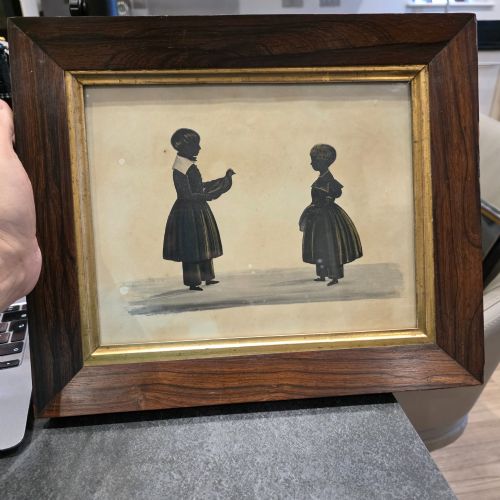
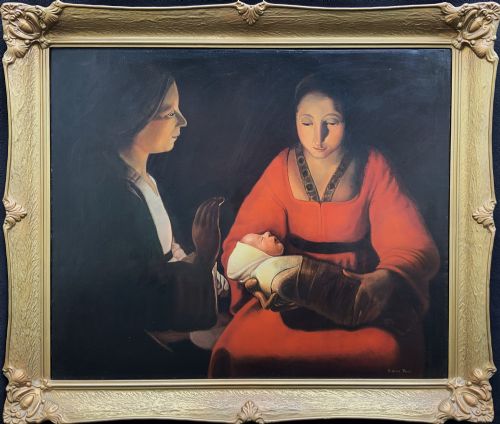
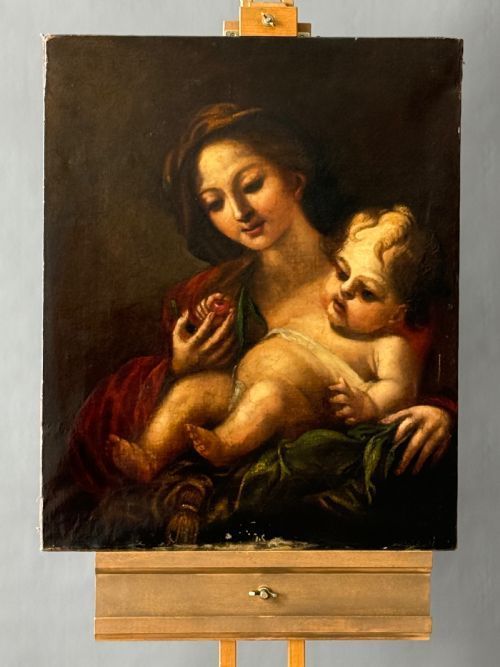
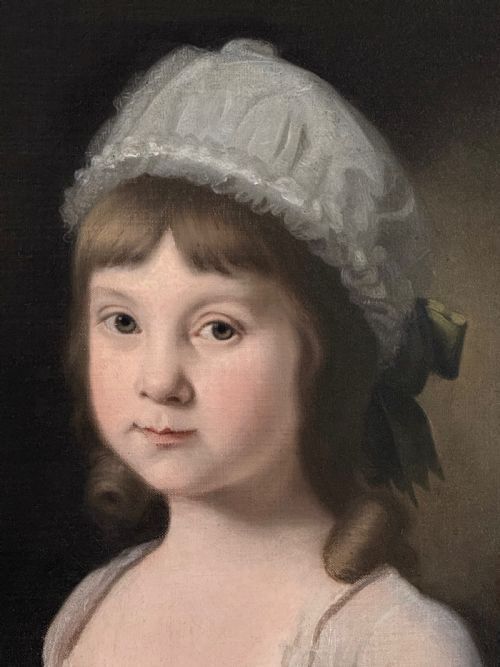
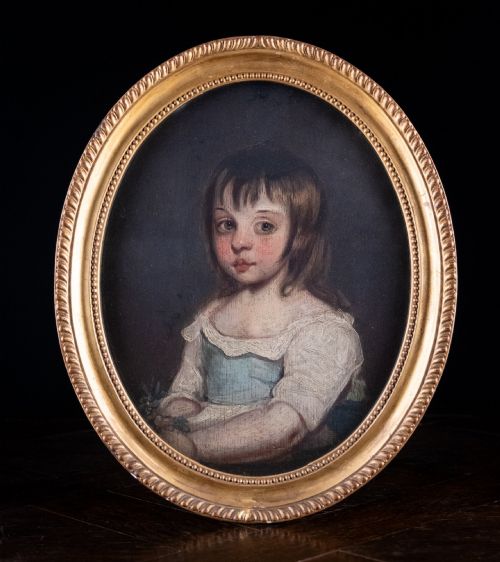
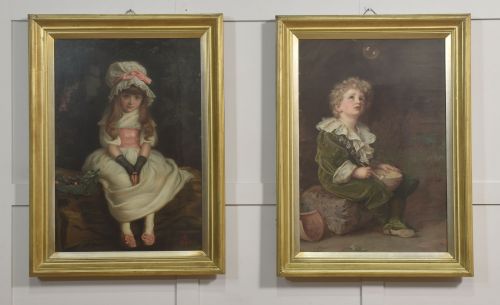
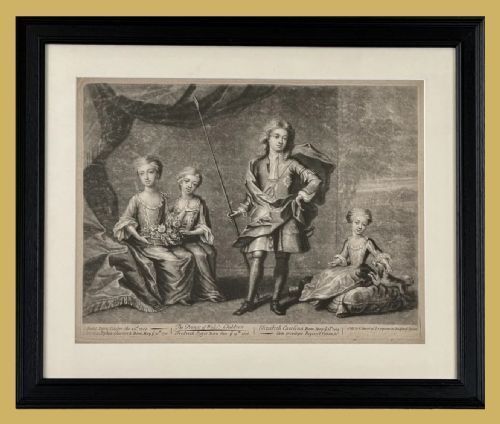
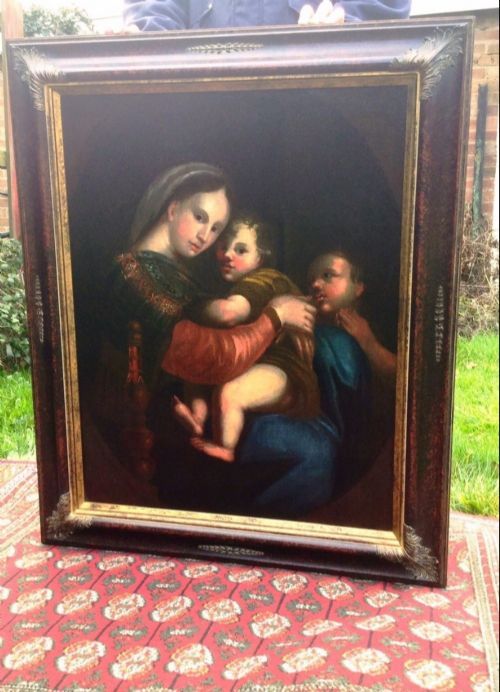
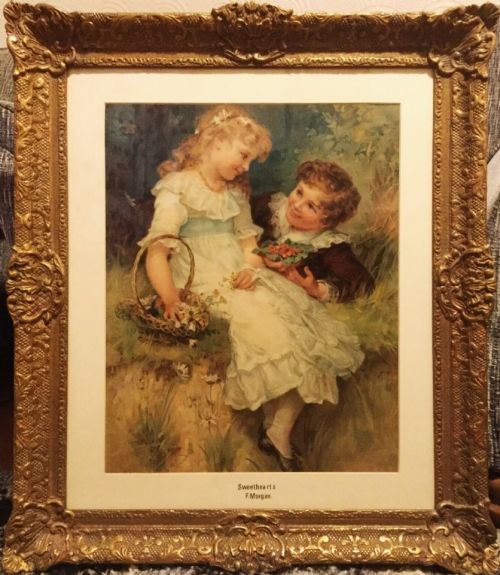
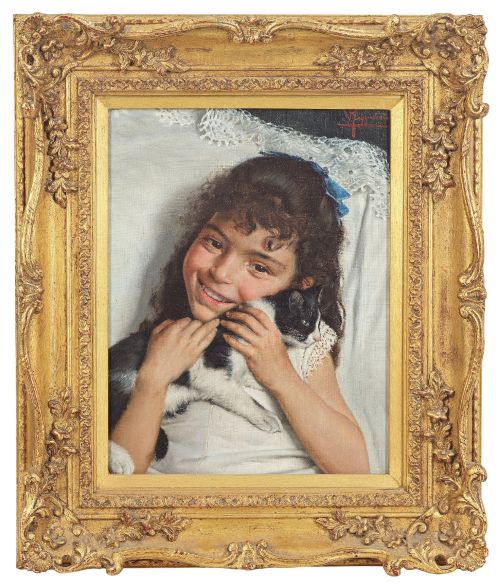
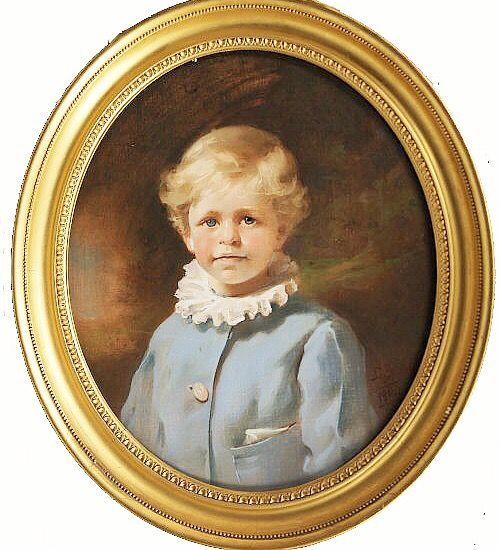
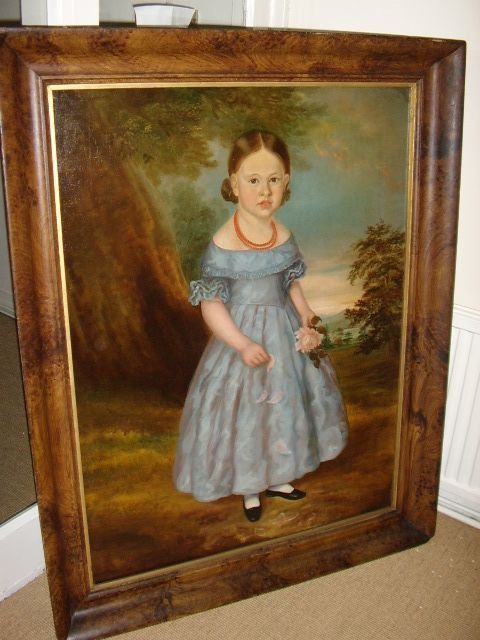
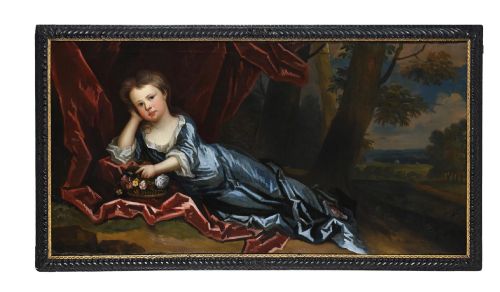
An antique portrait of children captures young sitters in oil on canvas or watercolour, bringing domestic history directly into your room.
Understanding the antique portrait of children
When you search for an antique portrait of children, you encounter group and paired studies rendered in oil and watercolour across several centuries. These works span the Georgian, Victorian, and Edwardian eras, recording young subjects with varying degrees of formality.
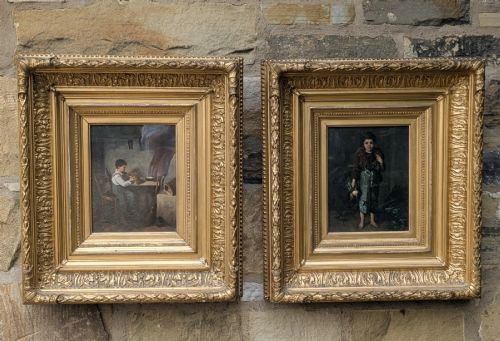
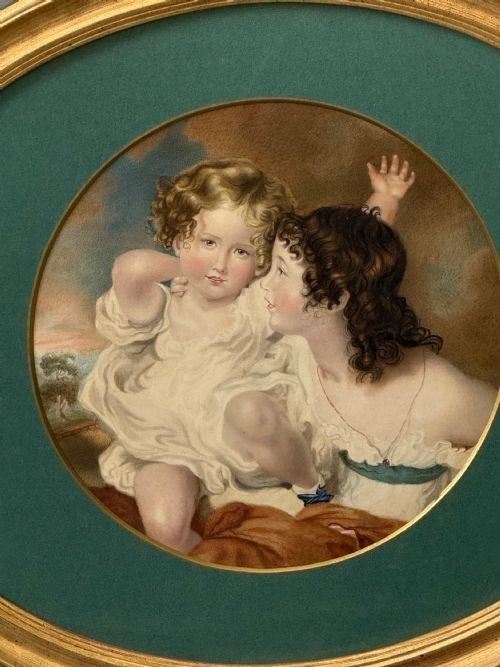
The pieces on this page include watercolours on paper mounted behind glass in gilt wood frames, alongside larger oil paintings on canvas. You meet works by named artists and circle painters, as well as unsigned English and French school pieces from the eighteenth and nineteenth centuries.
Materials and construction
These works rely on traditional painting media, utilising oil on canvas or delicate watercolour applied to paper. Frames frequently employ gold leaf and giltwood to enhance the visual weight of the composition.
Canvas supports are stretched over wooden frames, while watercolours are protected by glass sheets and framed within timber mouldings. The physical construction combines canvas preparation, pigment mixing, and hand-gilded timber framing.
Retail Price Guide 2026
Typical UK retail prices for portrait of children, calculated from the Sellingantiques database of over a million retail prices indexed since 2003. This retail price guide relies exclusively on Sellingantiques data; no external sources or auction records are used, so the figures do not describe the wider market.
Materials documented across the site include gold leaf, giltwood, wood, glass, and paper.
Judging the work
Quality in these works rests upon the precision of the draughtsmanship and the psychological engagement of the sitters. Finer hands capture individual character and fabric textures with subtle tonal gradation, whereas simpler pieces rely on standard formulae.
The preservation of the original medium also dictates standing, with undisturbed watercolours retaining their pigment vibrancy and early oils showing stable canvas tension and minimal overpainting.
James Maubert·Arthur Percy Dixon·William Egley·Sydney Buck
The Antique Portrait of Children Glossary
- Watercolour
- A painting method where the paints are made of pigments suspended in a water-based solution. Paper serves as the primary support for this delicate medium.
- Oil on canvas
- Pigments bound in an oil medium and applied to a woven fabric stretched across a wooden support. This technique provides rich depth and durability.
- Circle of
- A designation indicating an artist worked closely alongside a master, adopting their specific style and technique without being the master himself.
Frequently Asked Questions
What periods do these children's portraits cover?
The available selection spans from the early eighteenth century through the Georgian and Victorian periods up to Edwardian examples from nineteen ten.
This broad chronological range allows you to observe shifting conventions in children's dress, posture, and artistic execution over two hundred years.
How are these antique portraits framed?
Many examples are presented in period frames constructed from wood and finished with gold leaf or giltwood. Watercolours are typically glazed with glass to protect the paper surface.
Original framing elements enhance the historical context of the piece, though frames can occasionally reflect later restoration work.
Are these works signed by artists?
Some pieces bear direct signatures from named painters, while others are attributed to specific artistic circles or recognised as works by regional English and French schools.
Attributions rely on stylistic comparison, historical records, and family provenance linked to the original sitters.
How should I care for an antique portrait?
Protect works on paper and canvas from direct sunlight and excessive humidity to prevent fading and pigment degradation. Maintaining stable indoor temperatures preserves both the frame and the painting substrate.
Glazed watercolours require particular attention to prevent moisture accumulation behind the glass.