






Antique Porcelain Wall Decor
These antique porcelain wall decor pieces bring vibrant colour and historic craftsmanship directly to your living spaces.
Antique Porcelain Wall Decor
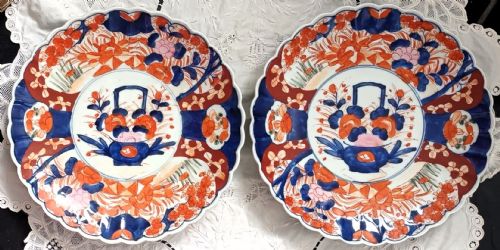
When you search for antique porcelain wall decor, you enter a field dominated by Japanese Imari plates and chargers alongside Victorian British pottery. The listings here lean heavily towards Japanese Meiji period Imari porcelain plates, often found in pairs or small collections.
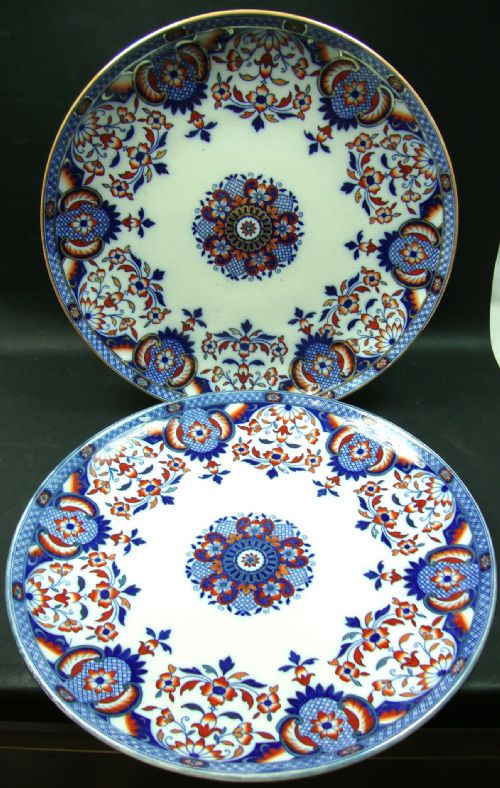
Beyond the circular plates and platters, the selection includes wall plaques from makers like Royal Worcester and armorial pottery from the late Victorian era. Shell-shaped plates and large ceramic chargers provide alternative forms for hanging or displaying on walls.
The origins stretch from Japanese export kilns of the late nineteenth century to British factories of the Victorian and Edwardian periods. Collectors encounter everything from standard decorative dishes to specialised items like thermometer mountings and hand-painted tiles.
How they were made
The pieces rely upon fired ceramic bodies finished with detailed glazes and enamel painting. Japanese Imari examples combine deep cobalt blue underglazes with iron red and gilt highlights applied over the glaze.
British works from factories like Royal Worcester utilise fine porcelain bodies painted by hand with naturalistic scenes. Additional surface treatments include giltwood frames, wooden backings, and specialised techniques such as totai with cinnabar lacquer.
One unexpected wall piece combines delicate porcelain with a fully functioning Victorian temperature gauge.
What varies in quality
Quality rests in the crispness of the hand-painted brushwork and the complexity of the glaze or lacquer application. Pieces featuring specific artist signatures or well-documented factory marks command greater attention from experienced collectors.
The physical scale and structural integrity of larger chargers or paired sets also influence the standing of an item. Superior examples display vivid, well-preserved colour palettes without rubbing to the gilt or enamel details.
Mintons·Dollond London·Royal Worcester
The Antique Porcelain Wall Decor Glossary
- Imari
- A style of Japanese porcelain featuring a distinctive palette of cobalt blue, iron red, and gold. It originated in the town of Arita and became widely exported to Europe.
- Charger
- A large decorative plate intended primarily for display on a wall or sideboard rather than for functional dining use. These substantial pieces often showcase the most elaborate artistry.
- Totai
- A Japanese technique where enamel or lacquer work is applied directly onto a porcelain or ceramic core. This method creates textured, dimensional surfaces distinct from flat glazing.
- Armorial
- A design incorporating a family crest or coat of arms. Victorian potteries frequently applied these heraldic motifs to celebratory plates and chargers.
- Giltwood
- Wood that has been carved and coated with a thin layer of gold leaf or gold paint. It frequently appears in the frames and mountings associated with wall plaques.
Antique Porcelain Wall Decor: Frequently Asked Questions
How do I hang antique plates safely?
Wall display requires specialised plate hangers with rubber-coated spring clips that grip the rim securely without causing chips. Ensure the fixing in the wall matches the weight of heavier ceramic chargers.
For framed plaques or panels, use sturdy picture wire attached to secure D-rings on the wooden backing. Avoid hanging pieces in direct sunlight or areas prone to high moisture.
Were Imari plates made for export?
Japanese Imari wares of the Meiji period were produced specifically for Western export markets that demanded ornate, colourful ornamentation. European households displayed these vibrant chargers in dining rooms and parlours.
The aesthetic heavily influenced the Victorian decorative taste, leading domestic potteries to adopt similar colour schemes and motifs.
How do I identify Royal Worcester plaques?
Royal Worcester wall plaques typically feature hand-painted artistic scenes, such as game birds by named artists like Stinton. Look for the characteristic factory backstamps impressed or printed on the reverse of the porcelain body.
Signed pieces carry the individual artist's signature on the painted face, adding considerable context to the piece's origin.
What is the difference between a plate and a charger?
Plates were traditionally sized for functional use at table, though decorative examples remained purely ornamental. Chargers are substantially larger circular dishes designed strictly for ceremonial display or wall mounting.
In this selection, chargers offer much broader surfaces for intricate painted scenes and complex border patterns.