




Antique Porcelain Trinket
These small vessels and containers are antique porcelain trinket pieces crafted to hold personal treasures, taking forms from delicate lidded boxes to decorative dishes.
Antique Porcelain Trinket
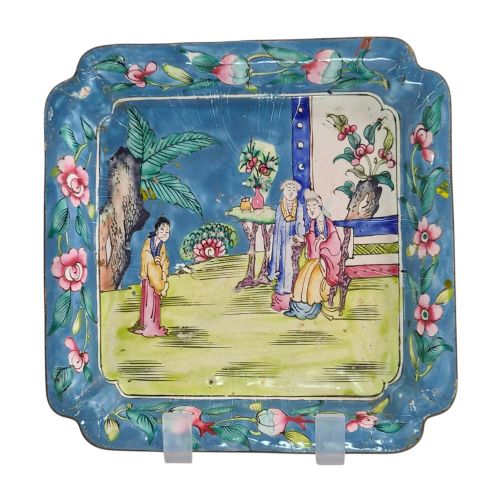
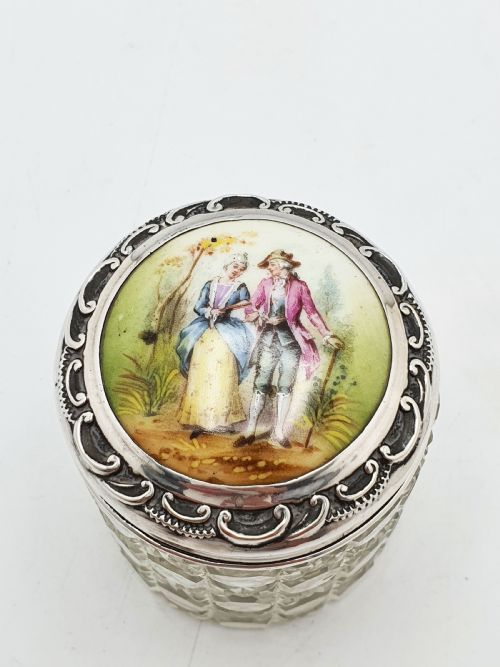
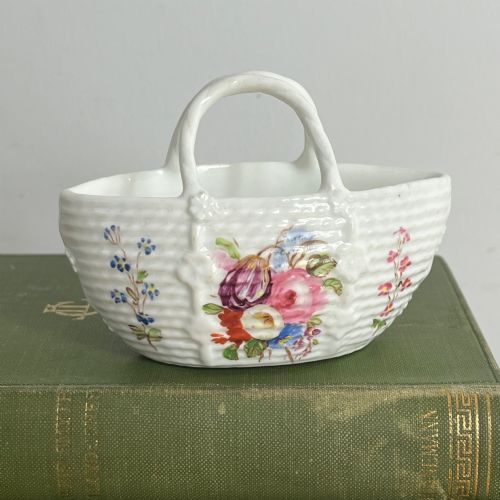
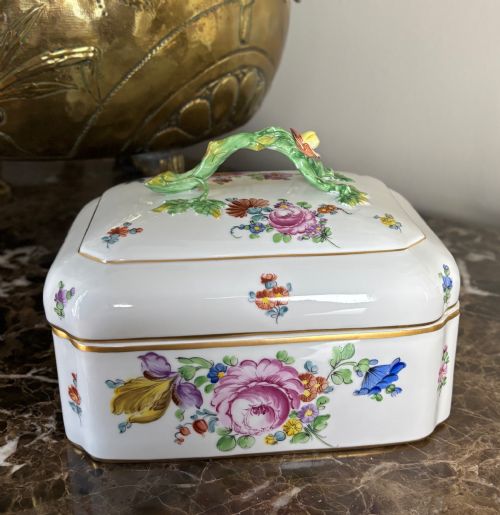
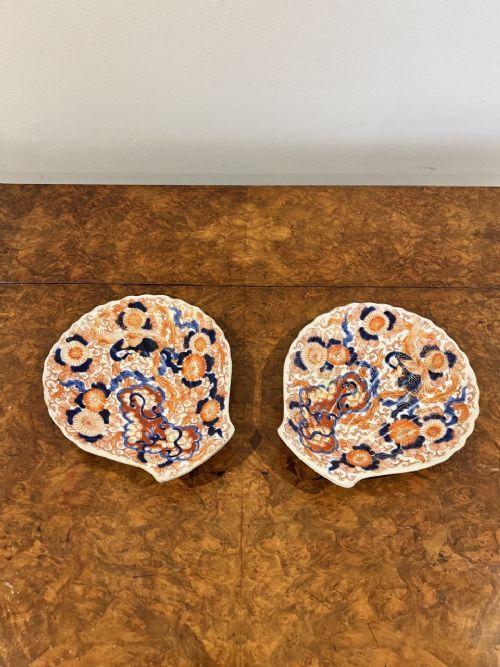
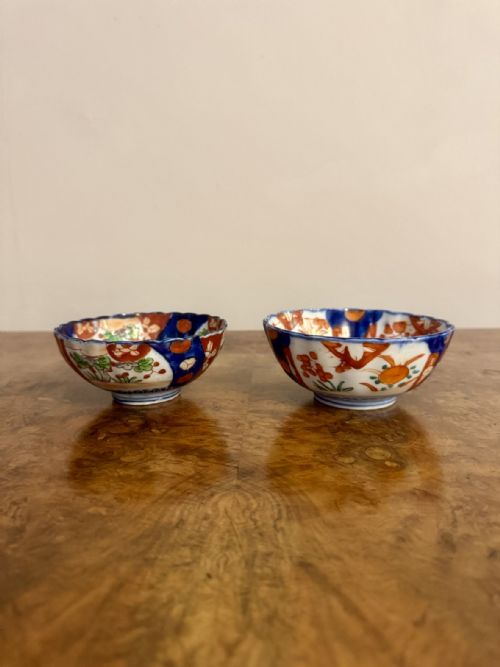
An antique porcelain trinket selection encompasses containers and dishes designed for dressing tables, desks and cabinets, spanning the eighteenth century through to the Art Deco period. Buyers encounter everything from French lidded boxes and German potpourri bowls to Japanese Imari plates and English porcelain baskets.
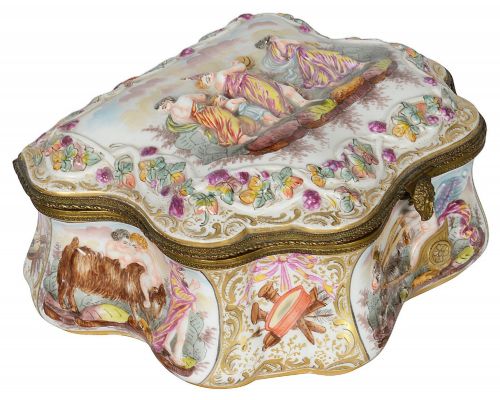
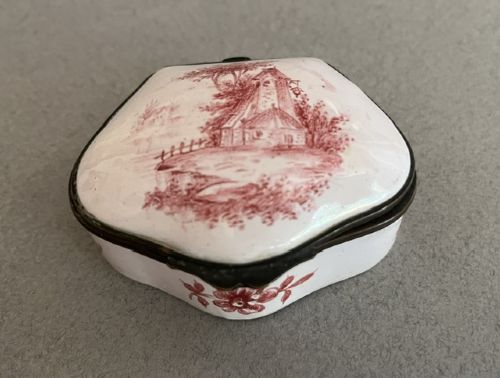
The objects served practical purposes for holding rings, pins, and cosmetics, alongside purely ornamental roles in domestic interiors. Common forms include jewellery caskets mounted in metal, miniature bowls, powder boxes with fitted covers, and figural dishes.
How they were made
Potters shaped ceramic and porcelain bodies by hand or mould before applying enamel pigments, coloured glazes, and hand-painted floral or figural scenes. Many pieces received applications of gold leaf and gilt detailing fired onto the ceramic surface.
Metal mounts in brass, silver, and ormolu were fitted to boxes and caskets using hinges and clasps, combining ceramic manufacture with metalworking techniques.
Antique Porcelain Trinket Retail Price Guide 2026
Typical asking prices for porcelain trinket among the pieces listed under this phrase on Sellingantiques today, from the lower quarter to the upper quarter. They describe what is for sale here now, not the wider market.
Materials appearing across the inventory include enamel, gold leaf, glazed ceramic, ormolu, and sterling silver mounts.
What varies in quality
The standard of an antique porcelain trinket piece depends on the fineness of the painting and the precision of the modelling, alongside the prestige of the factory or workshop. Pieces bearing identifiable factory marks or artist signatures demonstrate greater technical skill.
The quality of subsidiary materials sets apart different tiers of manufacture, visible in the weight of cast ormolu mounts, the purity of silver frames, and the preservation of raised gold leaf work.
Flight Barr And Barr·Paul Muller Selb·Royal Worcester·Edme Samson Of Paris·Helena Wolfsohn·Kuznetsov
The Antique Porcelain Trinket Glossary
- Bonbonniere
- A small decorative container intended for holding sweets, nuts, or small trinkets. These boxes often feature hinged lids and detailed hand-painted scenes.
- Ormolu
- Finely ground high-carat gold applied to a bronze base, commonly used for mounts and hinges on nineteenth-century French caskets. This technique produces a rich metallic sheen.
- Imari
- A style of Japanese export porcelain characterised by underglaze blue, iron red, and gilt ornamentation. Designs frequently incorporate floral and panel motifs.
- Potpourri
- A lidded bowl or jar pierced with holes to diffuse scent from dried flower petals. These vessels form a distinct category of decorative tabletop porcelain.
- Fairing
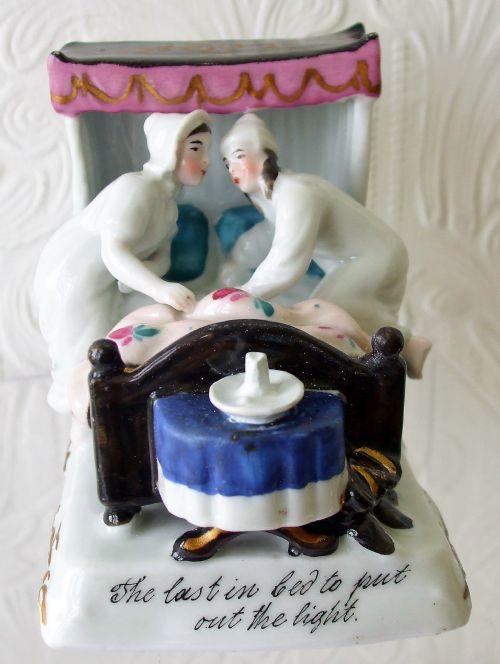
- A small porcelain ceramic group or figure produced during the Victorian period, often sold at annual fairs. They typically depict humorous domestic scenes with pithy captions.
Antique Porcelain Trinket: Frequently Asked Questions
What were antique porcelain trinket boxes used for?
These small containers sat upon dressing tables and sideboards to hold precious rings, pins, and small personal keepsakes safely out of sight.
Victorian and Edwardian owners also used them as decorative accents in sitting rooms to display wealth and refined taste.
How do I date an antique porcelain trinket piece?
Dating relies upon identifying factory marks stamped or painted on the underside, alongside stylistic clues from periods like the Edwardian era or Art Deco.
The presence of metal mounts, such as ormolu or sterling silver, often points to specific decades of production.
Are antique porcelain trinket items fragile?
The ceramic bodies and delicate hand-painted surfaces require careful handling and stable placement away from high-traffic household areas.
Fitted metal hinges and clasps should be operated gently to prevent stress on the surrounding porcelain joints.
How do I display an antique porcelain trinket collection?
Displaying these pieces within glass-fronted cabinets protects them from dust while allowing the painted details and gilt highlights to catch the light.
Grouping items by period, such as eighteenth-century French boxes alongside nineteenth-century German dishes, creates a focused visual display.