

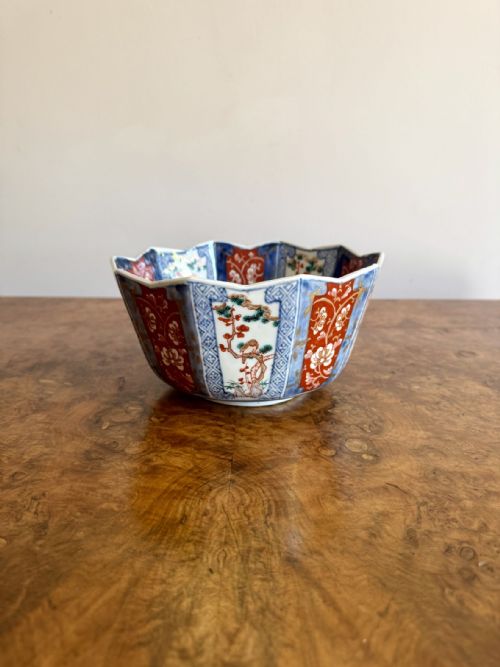


Antique Porcelain Panel
When you handle an antique porcelain panel, you hold a miniature canvas fired in a kiln that preserves painted colour for centuries.
Antique Porcelain Panel
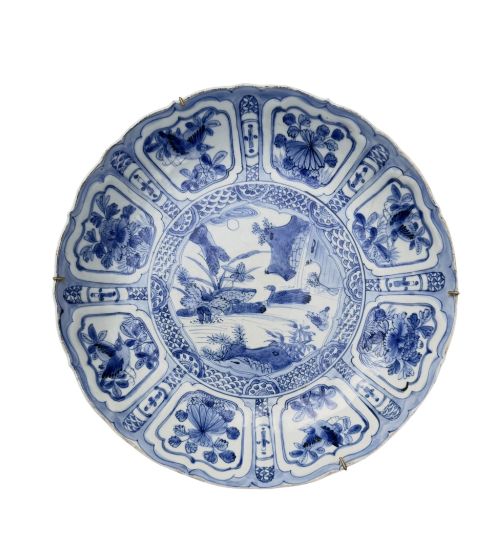
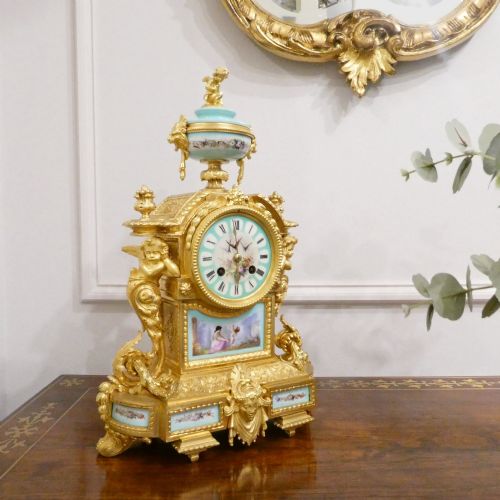
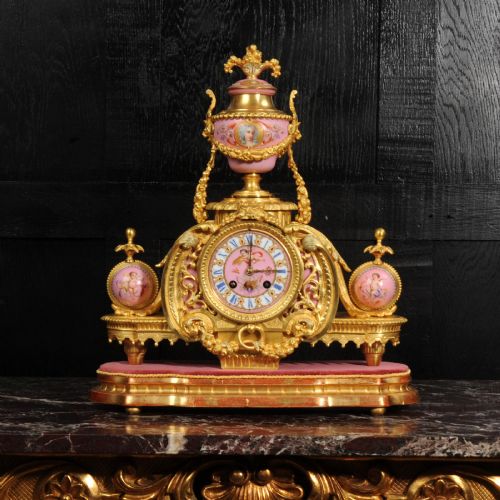
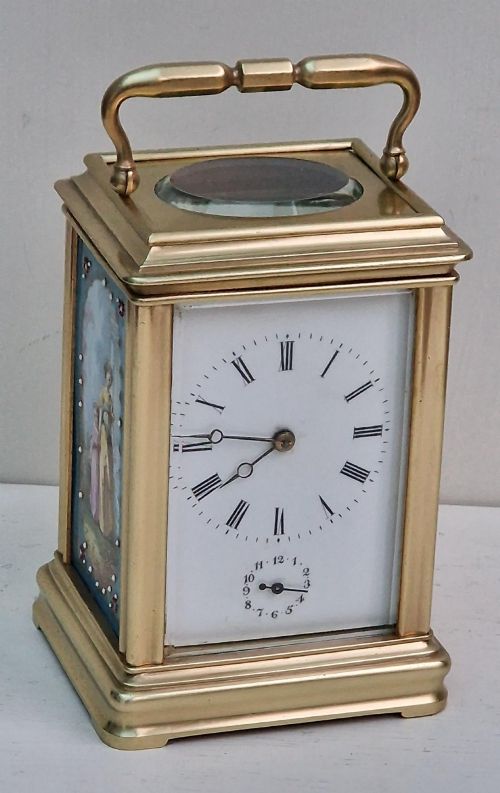
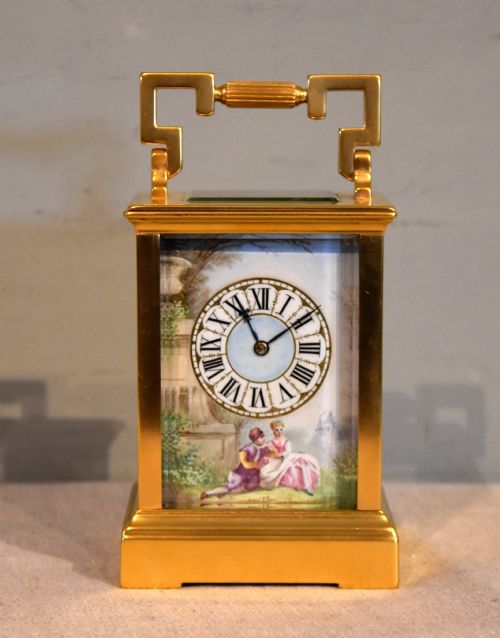
An antique porcelain panel appears either as a standalone portrait plaque or integrated directly into the surfaces of French mantel clocks, credenzas, and carriage timepieces. These items emerge predominantly from nineteenth-century European workshops, often drawing on French Second Empire and Rococo Revival tastes.
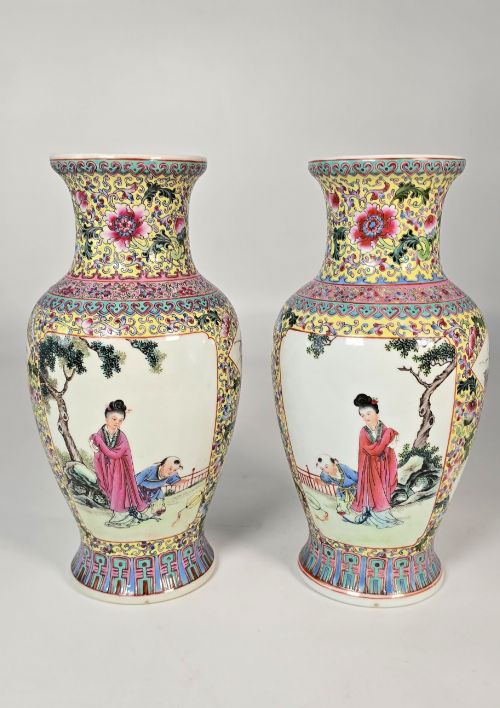
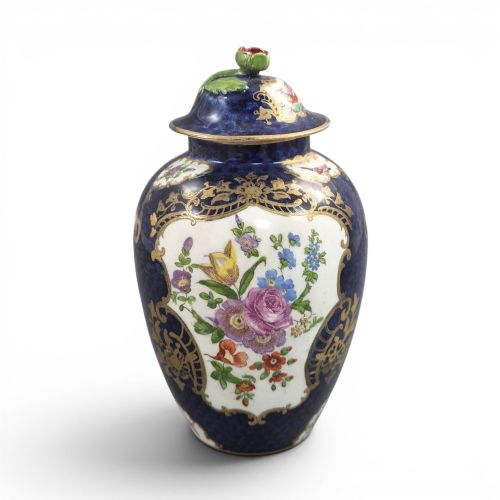
The objects span from framed still life paintings on porcelain to decorative plaques mounted into gilt bronze furniture or housing clock dials. Buyers encounter both hand-painted individual plaques and matching pairs designed to fit into architectural cabinetry or bronze mounts.
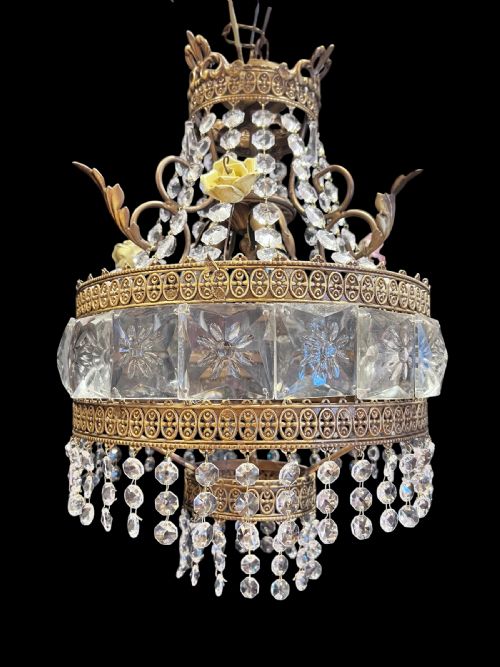
Beyond standalone wall art, the phrase encompasses porcelain panels functioning as structural components of luxury items such as crystal regulators and secretaire cabinets. These ceramic inserts display floral arrangements, landscape scenes, or figural portraits executed in enamels.
Materials and construction techniques
Makers formed these pieces using hard-paste or soft-paste porcelain clay bodies, fired at high temperatures before receiving hand-painted enamel designs. Artisans then subjected the painted ceramic to a secondary kiln firing to vitrify the pigments permanently into the glaze.
Metalworkers framed and mounted finished panels using cast gilt bronze, ormolu, brass, or fine cabinet timbers like kingwood and tulipwood. The integration required precise joinery and bezel work to secure the ceramic securely within clock housings and furniture facades.
Some nineteenth-century French clockmakers ensured that even the inner workings of time were guarded by hand-painted birds and blossoms.
Factors separating standard pieces from the finest works
Quality rests heavily on the skill of the brushwork visible in the enamel painting, distinguishing competent factory decoration from master artist output. Signed plaques and pieces attributed to known porcelain painters demonstrate superior depth, shading, and linework.
The calibre of the surrounding mountings dictates overall excellence, as crisply chased ormolu and heavy gilt bronze frames elevate the status of the inset ceramic. Furthermore, the crispness of the porcelain paste and the absence of firing blemishes define the top tier of production.
Achille Brocot·Japy Frères·Stinton·H. Desprez·JP Delettrez·William Rayworth·Philip Christian·Booths·Rockingham
The Antique Porcelain Panel Glossary
- Porcelain panel
- A flat ceramic tile or plaque decorated with enamel painting and often mounted into furniture or timepieces.
- Ormolu
- Gilt bronze ornamentation applied to furniture, clocks, and porcelain mounts during the eighteenth and nineteenth centuries.
- Soft-paste
- An early European porcelain composition of clay and glass frit fired at lower temperatures than true hard-paste porcelain.
- Crystal regulator
- A French mantel clock featuring glass panel walls that expose the inner mechanical movement, occasionally incorporating painted porcelain plaques.
- Enamel
- Coloured powdered glass fused to a ceramic or metal surface through firing to create a durable, glossy illustration.
Antique Porcelain Panel: Frequently Asked Questions
How do I clean an antique porcelain panel?
Dust the surface gently with a soft, dry brush to remove loose particles without disturbing the glaze or surrounding bronze mounts.
Avoid liquid cleaners entirely, as moisture can seep behind the panel or damage unglazed edges and older painted repairs.
Were these panels made for furniture?
Many nineteenth-century cabinet makers embedded porcelain plaques directly into credenzas, secretaires, and clock cases for decorative contrast.
Specialist factories produced these inserts specifically sized to fit into pre-cast ormolu bezels and wooden rebates.
How can I tell a hand painted panel from a transfer print?
Examine the surface under a loupe to check for microscopic dot patterns, which indicate modern lithographic or transfer printing methods.
Hand-painted examples reveal overlapping brushstrokes, varying pigment thickness, and slight pigment pooling under magnification.
Are all porcelain panels marked with a factory stamp?
Only a fraction of decorative plaques carry factory stamps or maker ciphers, as many were unmarked or lost their stamps during framing.
Unsigned panels rely on stylistic evidence, enamel palette, and the quality of the ceramic body for attribution.