
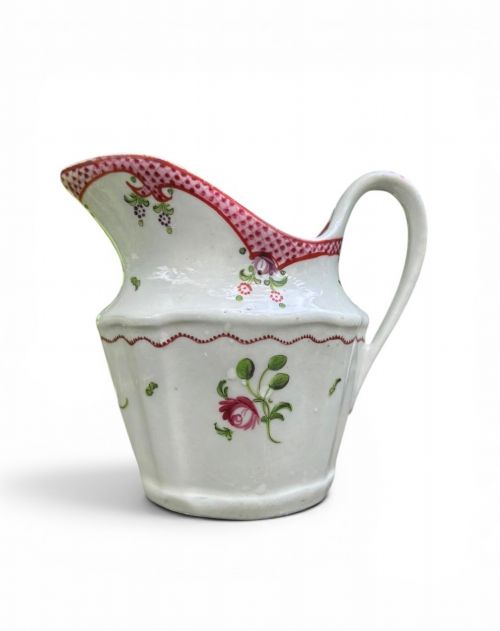
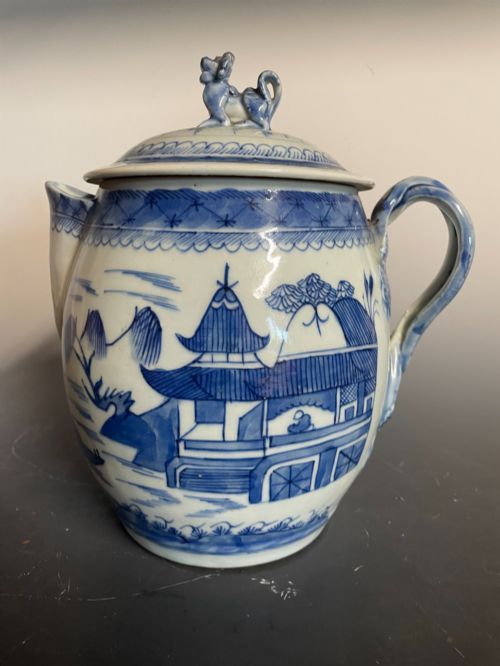


Antique Porcelain Milk Jug
An antique porcelain milk jug brings tangible artistry to the table, offering lasting elegance for daily use and display.
Antique Porcelain Milk Jug
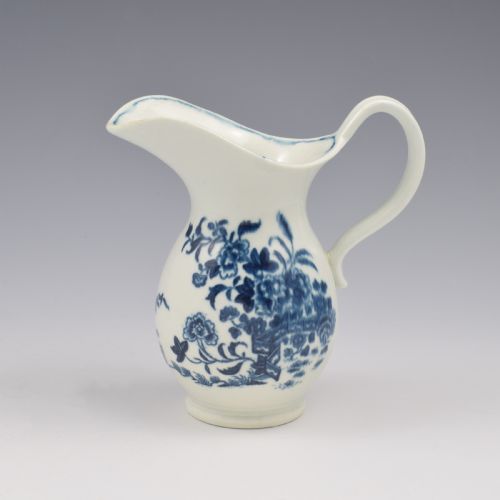
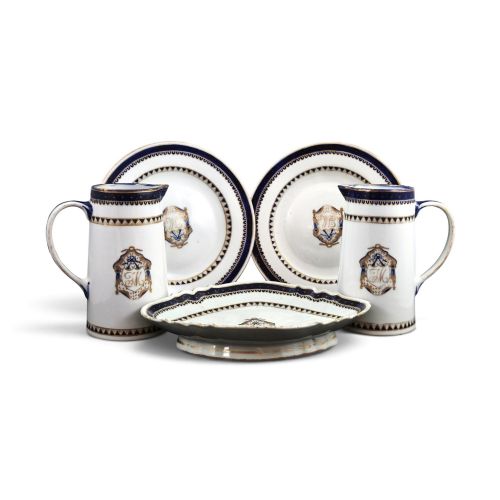
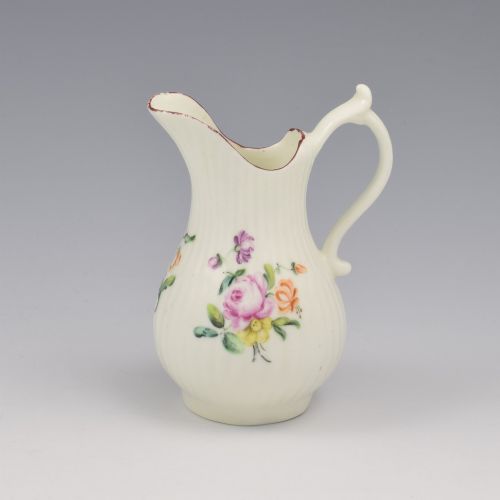
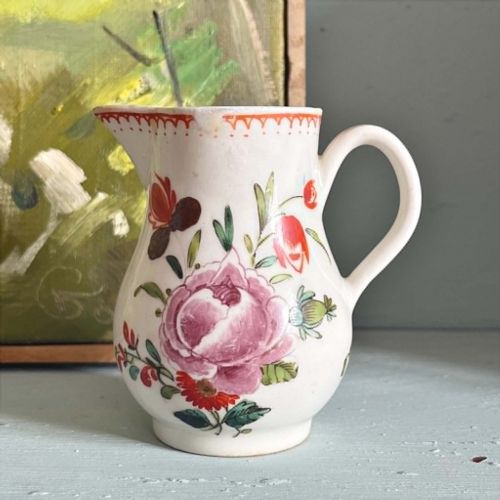
The search for an antique porcelain milk jug reveals domestic vessels designed for serving cream or milk at the table. These pieces encompass refined forms such as decorative jugs, cream jugs, and large gilded carafes.
The versions most frequently encountered on this page originate from the Edwardian era through to the mid-twentieth century, showcasing the enduring popularity of English fine porcelain and French Old Paris porcelain.
Makers represented in the archive and current listings include Royal Worcester alongside Jean-Pierre Feuillet, demonstrating a tradition of fine ceramic production.
Materials and construction
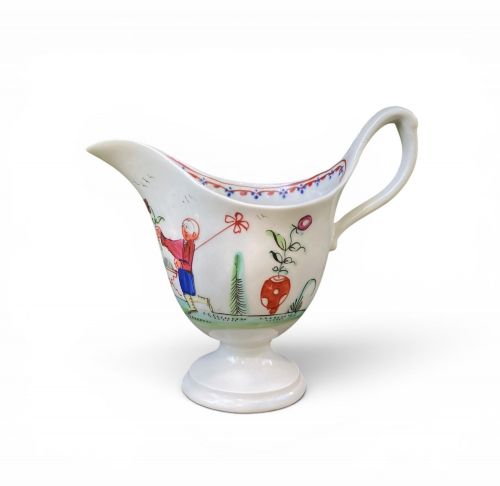
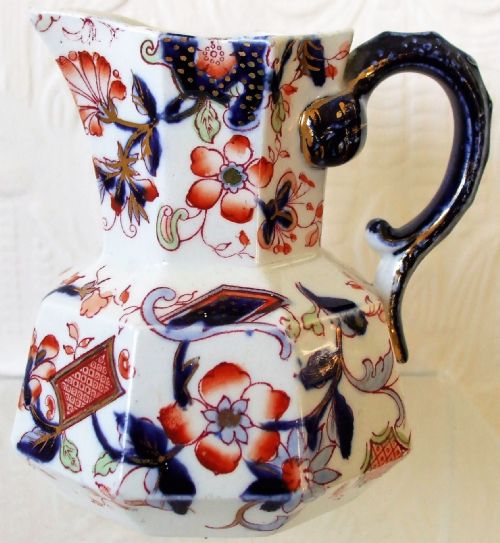
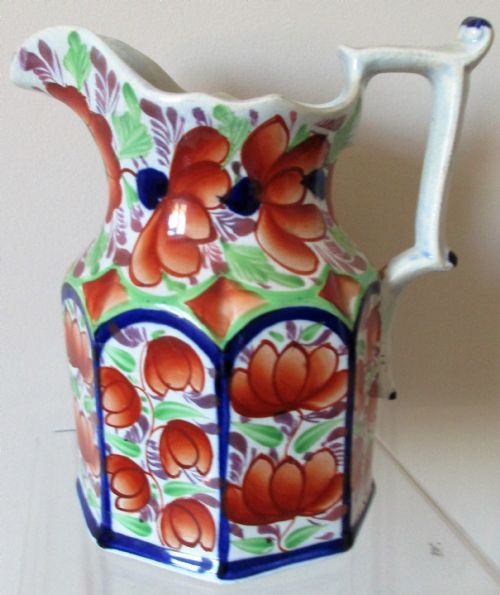
These items are constructed from porcelain, a dense and durable ceramic material that provides a smooth white ground for decoration. Artisans applied hand-painted enamels directly onto this fired body, often depicting botanical studies or detailed fruit scenes.
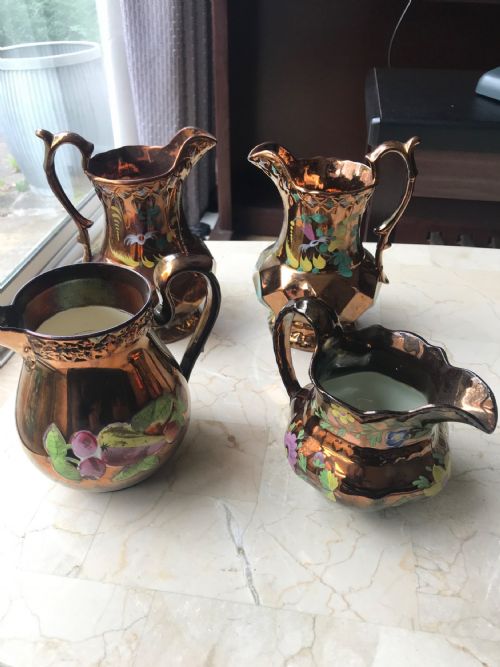
Gilt and gold leaf accents were meticulously applied to rims, handles, and borders to highlight the contours of the vessels. The combination of delicate enamel work and metallic detailing required precise kiln firing to bond the precious materials permanently to the porcelain.
Listings feature porcelain vessels spanning the Edwardian period up to the nineteen-forties, utilising enamel, gilt, and gold leaf.
Assessing quality and craftsmanship
The distinction between standard examples and superior pieces rests entirely upon the finesse of the hand-painted decoration. Expertly rendered fruit and floral motifs executed by skilled painters elevate a vessel far above simpler mass-produced wares.
The application of gold leaf and gilding also indicates tier, where raised or burnished gold signifies higher workshop standards. Furthermore, the elegance of the porcelain body and the crispness of the moulded form separate ordinary utility items from exceptional display pieces.
Royal Worcester·Jean-Pierre Feuillet
The Antique Porcelain Milk Jug Glossary
- Porcelain
- A hard, fine-grained ceramic material fired at high temperatures to achieve vitrification and translucency. This substance forms the essential body of all listed milk jugs and carafes.
- Enamel
- Opaque vitreous pigment fused to the surface of the porcelain through firing. It creates the vibrant colours seen in floral and fruit designs.
- Gilt
- A thin layer of gold applied to embellish ceramic surfaces. It catches the light and frames the painted panels.
- Old Paris porcelain
- A term applied to the diverse output of various independent porcelain workshops operating in and around Paris during the nineteenth century. These wares are noted for extensive gilding and neoclassical forms.
Antique Porcelain Milk Jug: Frequently Asked Questions
What is a cream jug?
A cream jug is a small pouring vessel specifically designed to hold dairy cream for tea or coffee service. These pieces usually feature a pinched spout and a single handle for precise pouring.
Such vessels mirror the decorative styles of their respective periods, matching larger tea sets or standing alone as decorative objects.
How do I use them today?
These jugs function well for serving cream or milk during formal dining or casual gatherings. Their robust porcelain construction handles regular use without losing visual appeal.
Alternatively, many collectors display them on open shelving or use them as small vases for single-stem floral arrangements.
How are periods identified?
Periods are determined through a combination of manufacturer backstamps, stylistic traits, and painting techniques. Edwardian pieces often display delicate floral treatments or blush ivory grounds.
Mid-century examples show shifts towards naturalistic fruit painting and bolder gilding patterns, reflecting the aesthetic preferences of later decades.
What is Old Paris porcelain?
Old Paris porcelain refers to ceramic items produced by numerous unregulated factories in the French capital prior to and during the nineteenth century. These items frequently incorporate rich gilding and classical French Empire styling.
They stand apart from English productions through their grand scale and distinct decorative palette.