



Antique Porcelain Lions
These antique porcelain lions bring powerful guardian figures and domestic ornaments into your room, shaped across centuries by European and Asian potteries.
Antique Porcelain Lions
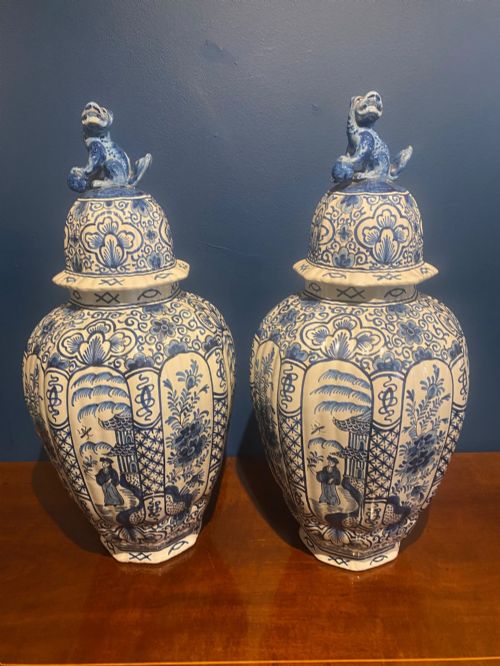
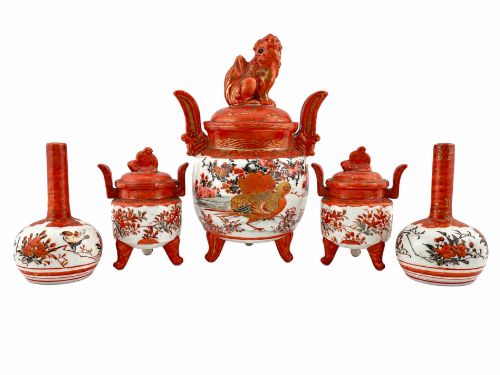
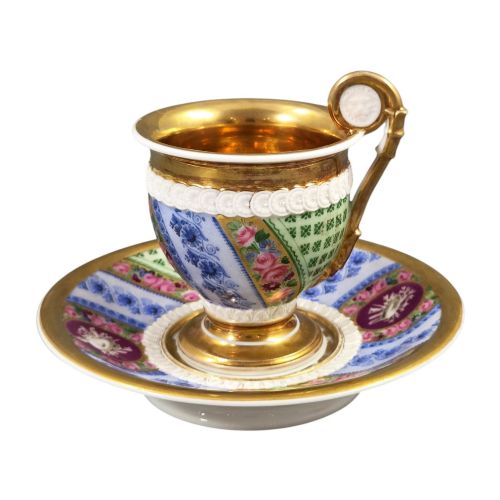
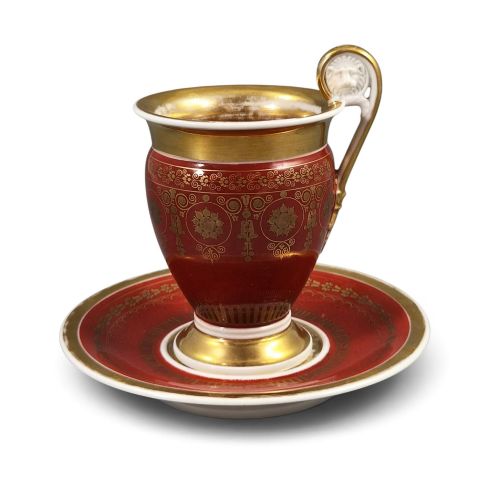
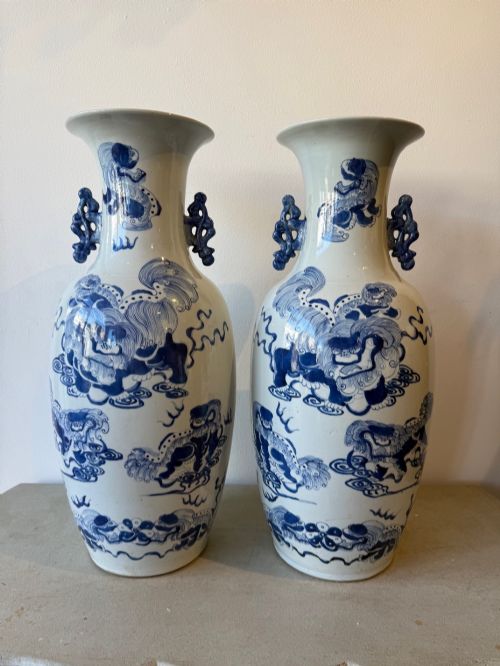
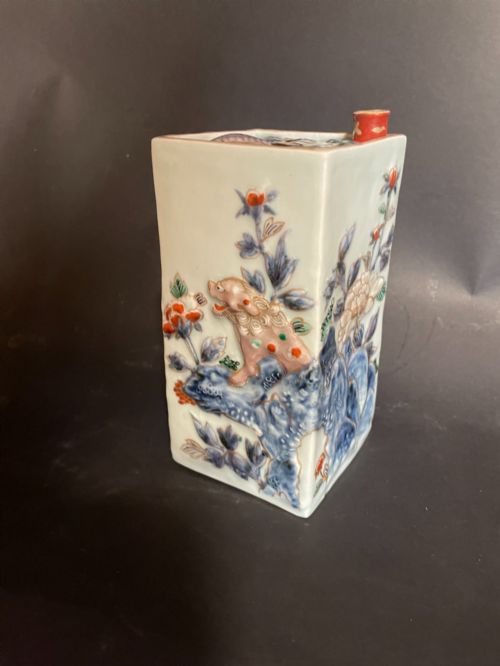
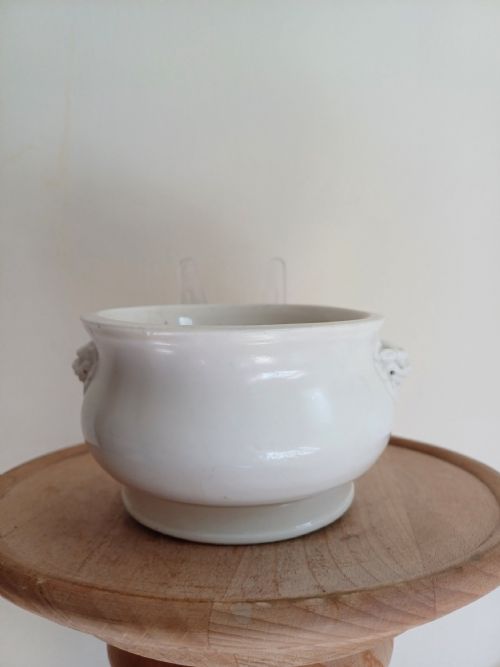
When you search for antique porcelain lions, you encounter guardian figures, fierce shishi, Foo dogs, and sculptural elements integrated into cabinet cups, vases, and garnitures. These pieces span centuries of ceramic production across China, Japan, and European houses like Old Paris and Meissen.
You are most likely to meet nineteenth-century Japanese Kutani models and French cabinet cups bearing lion mask handles on this page. These forms range from freestanding Buddhist lions intended to ward off malevolent spirits to utilitarian vessels decorated with moulded beast motifs.
How they were made
Firing techniques varied from high-temperature kilns producing durable blue and white porcelain to lower-fired overglaze enamel decorations requiring secondary kiln firings. Artisans mounted select pieces with gilt bronze and paired ceramics with carved wooden stands.
Antique Porcelain Lions Retail Price Guide 2026
Typical asking prices for porcelain lions among the pieces listed under this phrase on Sellingantiques today, from the lower quarter to the upper quarter. They describe what is for sale here now, not the wider market.
Current listings feature porcelain and earthenware pieces decorated with enamel, glaze, and gold leaf across the seventeenth, nineteenth, and twentieth centuries.
What varies in quality
Quality rests in the crispness of the moulding and the precision of the hand-painted enamel work across the face and mane of the lion. Superior examples display confident brushwork, vibrant glaze saturation, and clean, unclouded gilding that accentuates the sculptural form.
The sophistication of the ceramic body and the depth of the historical attribution further separate standard production pieces from exceptional works of art. Pieces demonstrating careful attention to anatomical detail and balanced proportions stand at the upper end of the range.
The Antique Porcelain Lions Glossary
- Shishi
- A mythical guardian lion or Buddhist lion common in Asian art, often depicted protecting sacred spaces. These figures appear frequently in Japanese Kutani and Chinese ceramic traditions.
- Garniture
- A set of matching ceramic vessels, typically comprising vases and covered jars, designed for display on a mantelpiece or cabinet. They often incorporate sculpted animal elements on the lids and handles.
- Moriage
- A decorative technique in Japanese ceramics where slip is piped onto the surface to create raised, textured patterns. This method highlights the rich details on garments and animal coats.
- Koro
- A traditional Japanese incense burner, often featuring tripod legs and a pierced lid. These vessels frequently take animal forms or sport guardian lion finials.
- Foo Dog
- A popular Western term for traditional Chinese guardian lions that symbolize protection and prosperity. They are rendered in porcelain, enamel, and earthenware across various dynasties.
Antique Porcelain Lions: Frequently Asked Questions
How do I tell Chinese Foo dogs from Japanese shishi?
Chinese Foo dogs typically feature broader facial structures and ball motifs beneath a paw, reflecting traditional dynastic iconography.
Japanese shishi often display sharper stylistic lines influenced by Meiji period craftsmanship and distinct regional Kutani or Satsuma palettes.
Were these porcelain lions meant for display or ritual use?
Many figures served as household guardians placed near entryways or altars to provide spiritual protection against negative energy.
Others functioned purely as decorative garniture sets, cabinet cups, or incense burners for affluent Victorian and European interiors.
How should I clean antique porcelain with gold leaf?
Dust surfaces gently with a soft, dry brush to prevent abrasive wear on delicate enamel and gilding.
Avoid liquid cleaners entirely, as moisture can lift vulnerable gold leaf and historical overglaze pigments from the ceramic body.
What does a lion mask handle indicate on European cups?
Lion mask handles on nineteenth-century French cabinet cups reflect the neoclassical influence of the Empire style.
This decorative motif draws on classical antiquity to project strength and refined taste within domestic dining settings.