




Antique Porcelain Light Fitting
These antique porcelain light fittings bring a refined illumination to interiors, uniting delicate ceramic bodies with period brass, gilt metal and glass.
Antique Porcelain Light Fitting
An antique porcelain light fitting bridges functional illumination and decorative ceramic art, taking the form of table lamps, multi-bulb chandeliers and wall-mounted switches. The selections span the nineteenth century and the early decades of the twentieth, encompassing Victorian, Edwardian and continental European designs alongside Asian ceramics adapted for electricity.
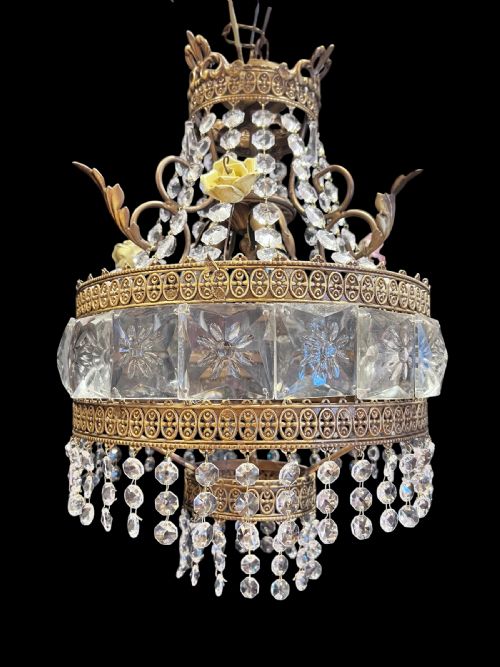
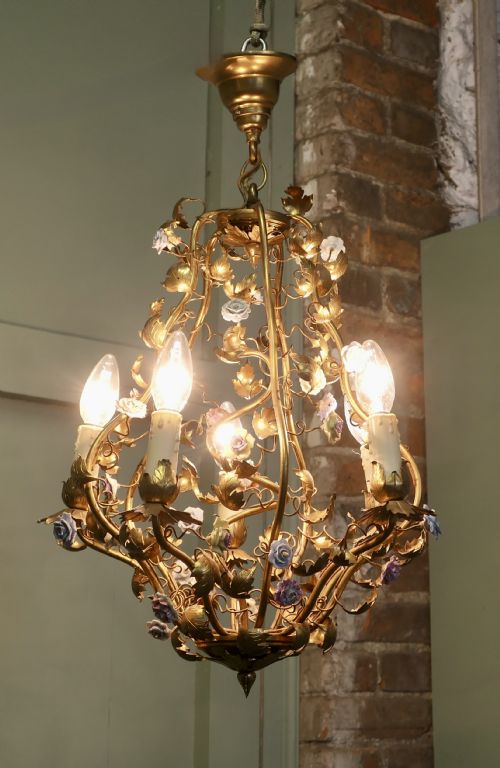
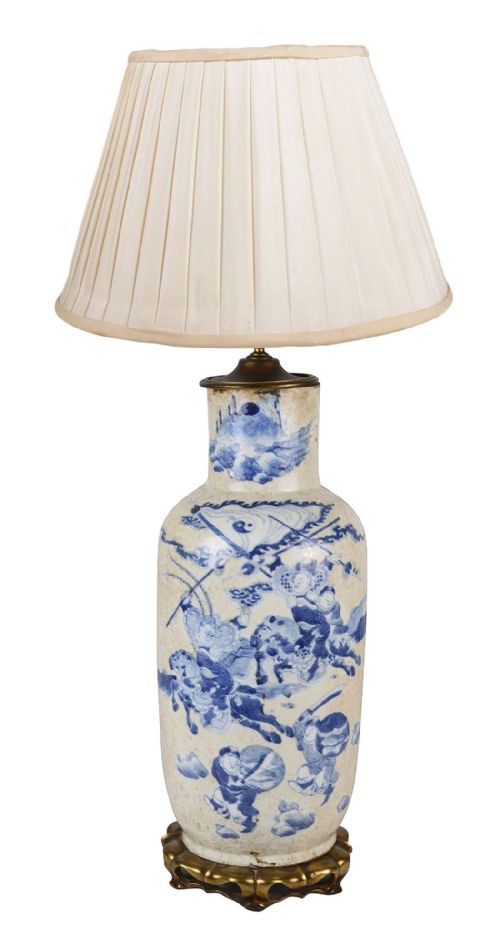
The most common formats met on this page are table lamps fashioned from converted Chinese vases alongside chandeliers adorned with porcelain flowers or ceramic elements. These pieces draw from styles including Chinese Qing Dynasty exports, Rococo Revival, French country aesthetics and Japanese Imari patterns.
Vase lamps utilise historic porcelain bodies mounted as lighting, while chandeliers integrate ceramic floral components with brass and gilt bronze frameworks. Each type reflects the interior tastes of its period, whether through hand-painted floral enamels or crisp white glazes.
What varies in quality
Quality rests upon the fineness of the porcelain body, the precision of the hand-painted enamels and the integrity of the metal mounts. Finer pieces display crisp definition in moulded details and skillful brushwork across floral or figural scenes.
The sophistication of the bronze or brass framework also dictates value, with chased mounts and integrated ceramic flowers showing greater artisanal effort than standard cast elements. Preservation of the original glaze and the harmony between ceramic body and metal hardware distinguish superior examples.
A Victorian lever switch proves that even mundane electrical controls once received careful porcelain and wooden craftsmanship.
Royal Worcester·Sitzendorf·Samson
The Antique Porcelain Light Fitting Glossary
- Famille Rose
- A palette of opaque rose-pink enamel introduced in Chinese ceramics during the Qing Dynasty. It allowed for nuanced shading in floral and figural motifs.
- Imari
- A style of Japanese porcelain featuring a distinct palette of underglaze blue, iron red and gilt highlights. These wares were widely exported to Europe.
- Chandelier
- A branched hanging light fitting designed to hold multiple bulbs or candles. Historic examples frequently combine metal arms with porcelain or glass ornaments.
- Gilt Bronze
- Copper alloy cast and finished with a thin layer of gold, providing a durable metallic lustre. It appears widely in European light fittings.
- Capodimonte
- A renowned Italian porcelain tradition originating from Naples. It is celebrated for finely modelled figural and floral porcelain items.
Antique Porcelain Light Fitting: Frequently Asked Questions
Are these lamps converted from old vases?
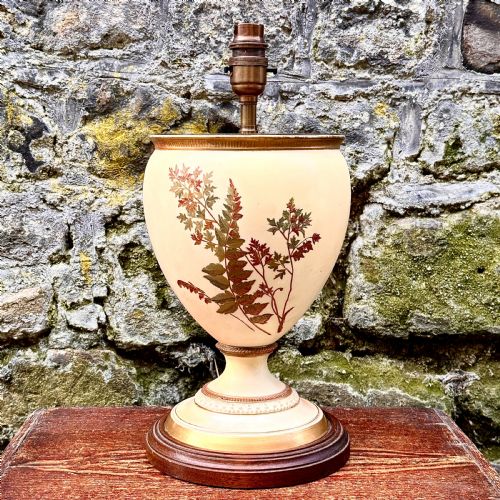
Many antique porcelain table lamps utilise historic vases, such as Chinese export porcelain or Japanese Imari vessels, adapted for modern electrical wiring. This practice preserves the decorative ceramic body while rendering it useful for contemporary interiors.
Makers often mounted these vessels onto brass or gilt metal bases to secure the electrical components and provide stability.
How do I date an antique chandelier?
Dating relies upon examining the metal casting techniques, the style of the porcelain flowers or ceramic ornaments, and the wiring methods where original components survive. Nineteenth-century examples often display Rococo Revival curves and heavy bronze mounts.
Later pieces from the early twentieth century introduce simpler Edwardian lines alongside traditional floral ceramic clusters.
What is the difference between famille rose and famille verte?
Famille rose utilises a dominant opaque pink or purple enamel derived from colloidal gold, appearing widely on nineteenth-century Chinese export wares. Famille verte relies primarily on a vibrant green enamel palette introduced earlier in the Qing Dynasty.
Both styles adorned vases that were later converted into lighting fixtures.