






Antique Porcelain Lidded Pot
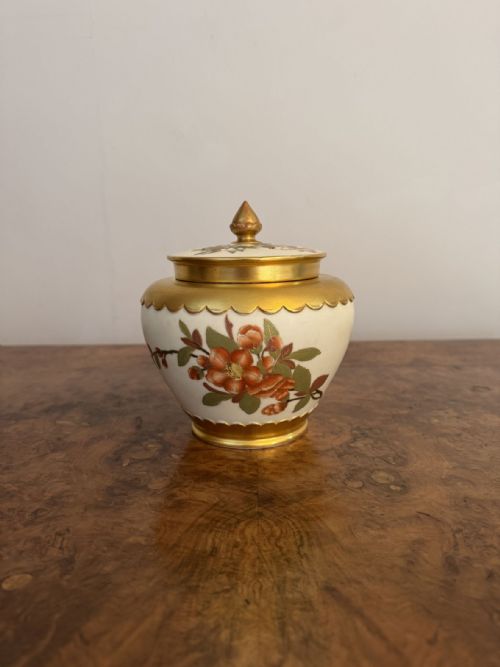
An antique porcelain lidded pot holds small treasures, potpourri or sugar, shaped by diverse traditions across centuries.
Antique Porcelain Lidded Pot
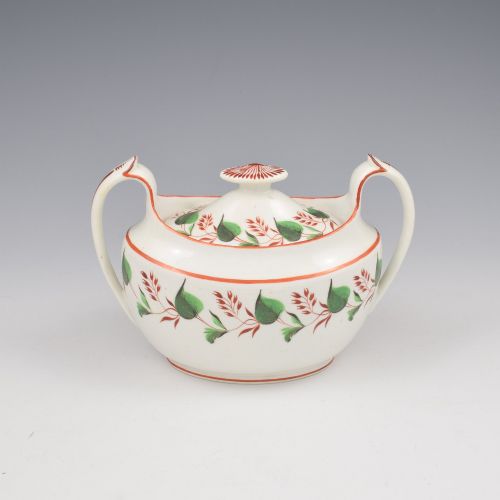
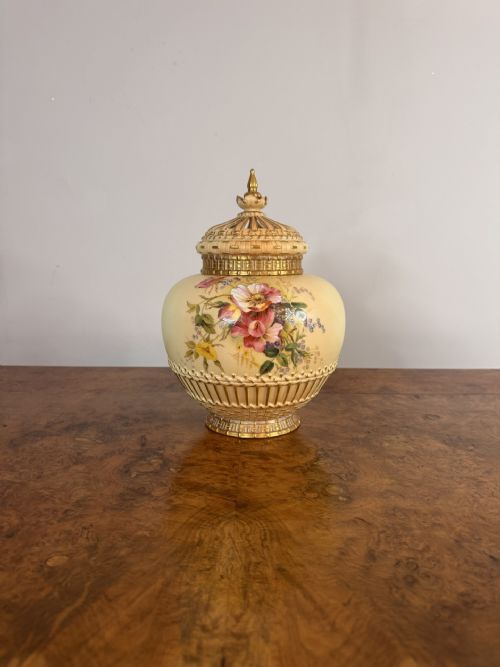
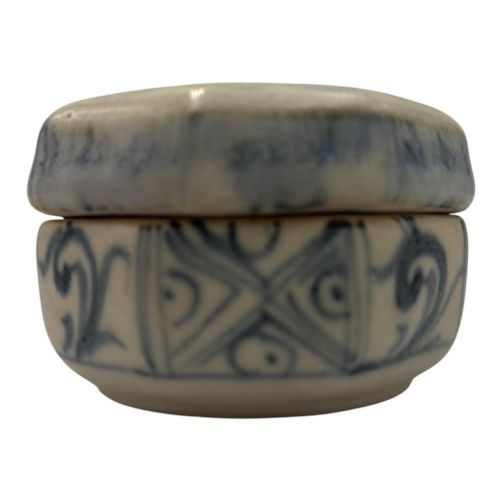
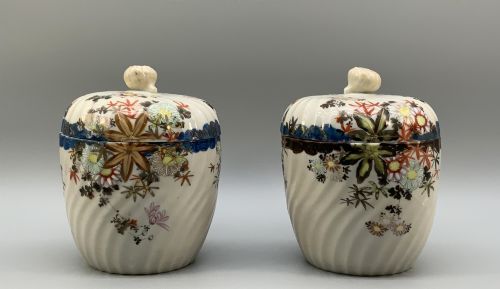
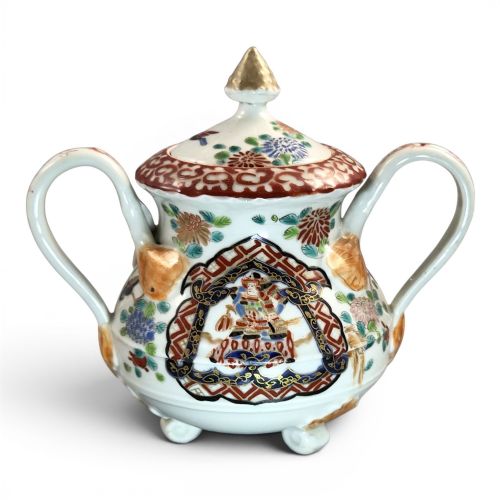
The antique porcelain lidded pot appears in several distinct guises, from traditional English sugar bowls and potpourri jars to Asian ginger jars and French trinket boxes. Pieces span the eighteenth, nineteenth and twentieth centuries, reflecting both European and Asian ceramic traditions.
Makers utilised various functional forms for domestic interiors, including lidded pails, powder boxes and pommanders. English factories and continental houses alike produced covered vessels designed for display or containment.
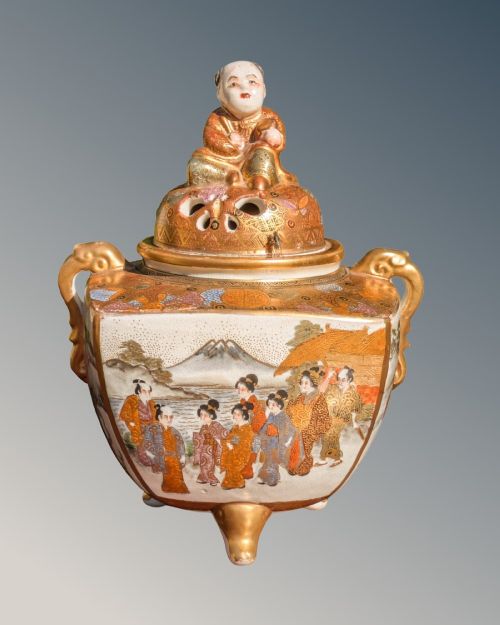
Japanese Satsuma and Imari wares represent a significant portion of these lidded pieces, alongside Chinese ginger jars and blue and white vessels. Victorian and later twentieth century English examples frequently take the form of painted potpourri vases.
Materials and Technique
Craftsmen shaped these vessels from porcelain, ceramic, earthenware and ironstone, applying detailed glazes and enamel colours by hand. Gilding and gold leaf often accent the rims, handles and covers.
Many pots incorporate hand painted decoration, depicting floral motifs, fruit studies or figurative scenes. Certain English and continental pieces combine ceramic bodies with silver plate mounts or gilt detailing.
Antique Porcelain Lidded Pot Retail Price Guide 2026
Typical asking prices for porcelain lidded pot among the pieces listed under this phrase on Sellingantiques today, from the lower quarter to the upper quarter. They describe what is for sale here now, not the wider market.
Several pots were specifically designed to house dried rose petals and spices, keeping Victorian drawing rooms pleasantly fragrant.
Assessing Quality
The standard of a painted surface distinguishes finer pieces, particularly where artists signed their work on botanical or fruit motifs. Precision in the moulding of the lid and the consistency of the glaze reveal the skill of the original workshop.
Provenance and specific studio marks indicate higher workmanship, alongside the preservation of original gilding and enamel details. Pieces showing careful attention to interior finishing match the quality of their exterior ornamentation.
Royal Worcester·Spode·Minton·Meissen·Dresden·Sevres·Richard Ginori
The Antique Porcelain Lidded Pot Glossary
- Potpourri
- A jar or vase with a pierced cover designed to diffuse dried scented petals into a room. These vessels appear frequently in twentieth century English ceramics.
- Imari
- A style of Japanese export porcelain decorated in underglaze blue, iron red and gilt. Pieces often feature complex panel designs.
- Sucrier
- A small covered sugar bowl used in tea service. Examples range from Regency porcelain to Victorian earthenware.
- Biscuit
- Unglazed ceramic fired once before decoration. Several English and continental jars utilise this matte finish.
- Kamcheng
- A traditional covered jar originating from Chinese kilns. These pieces were often exported for Southeast Asian markets.
Antique Porcelain Lidded Pot: Frequently Asked Questions
What were lidded pots used for?
These vessels served various domestic purposes, from holding dry goods like sugar to containing aromatic potpourri blends. Trinket boxes and powder bowls provided storage for personal items on dressing tables.
Larger jars and vases functioned primarily as decorative items in reception rooms, often supplied with matching covers to protect their contents.
How do I date an antique porcelain pot?
Makers' marks stamped or painted on the base offer the most reliable guide to a piece's origin and period. Stylistic indicators, such as the palette of an Imari pattern or the pastel tones of Art Deco ceramics, also help narrow the decade.
Examining the wear on the foot rim and the method of glazing provides further context for the manufacturing era.
How should I clean my porcelain pot?
Dusting with a soft, dry brush is generally sufficient for regular maintenance of glazed and enamelled surfaces. Avoid using harsh chemical cleaners or submerging pieces with delicate gilding.
Hand washing in lukewarm water with mild soap should be done only when necessary, taking care around painted details and unglazed biscuit areas.
Are lids usually original to the pots?
Most surviving pieces retain their matching original covers, particularly among factory-produced items where lids were fired alongside the base. Differences in glaze tone or fit can occasionally indicate a replacement.
Checking the interior seating of the lid helps confirm whether it belongs securely to the vessel body.