

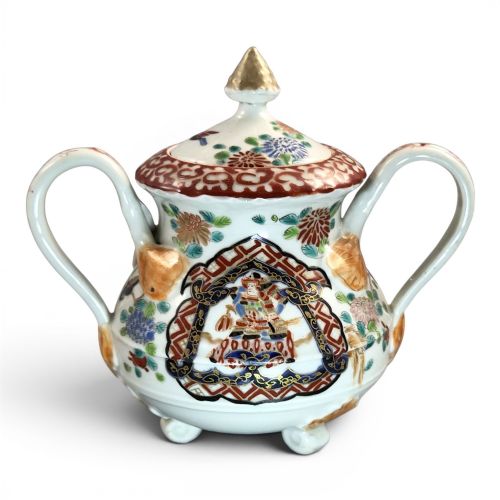


Antique Porcelain Lidded Bowl
An antique porcelain lidded bowl brings refined form and practical utility to a table, offering a glimpse into centuries of ceramic artistry.
Antique Porcelain Lidded Bowl
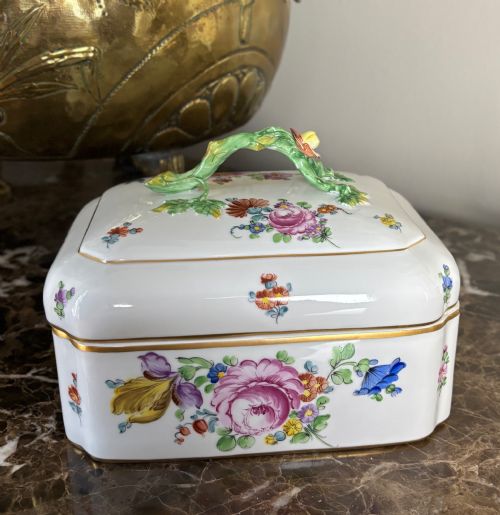
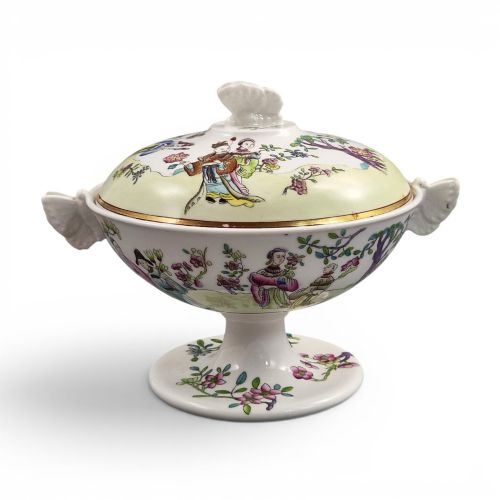
When you search for an antique porcelain lidded bowl, you encounter a diverse array of lidded vessels spanning the Georgian, Regency, and Victorian eras through to the Art Deco period. These pieces range from sugar boxes and sucriers to sauce tureens, potpourri jars, and powder boxes, reflecting the varied domestic uses of past centuries.
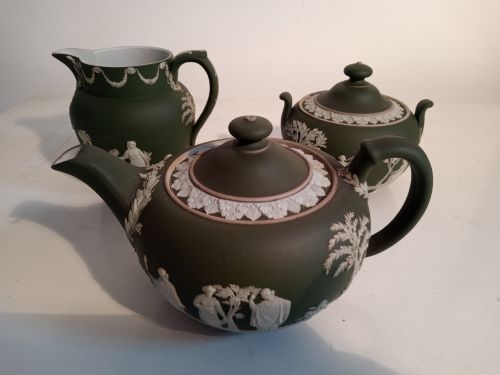
You are most likely to meet sugar bowls and sucriers on this page, often accompanied by larger tureens and decorative lidded jars in porcelain, ironstone, and earthenware. The selection draws from English factories like Worcester, Spode, and Derby, alongside continental European makers and Japanese export wares.
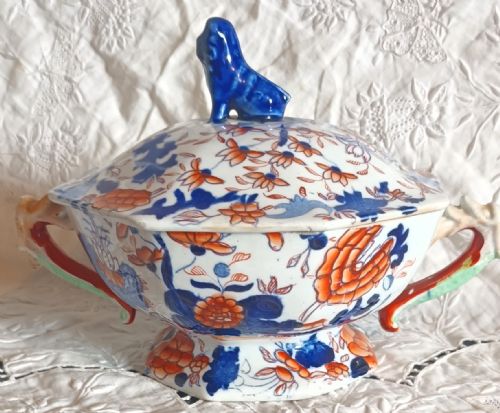
The forms shift from the delicate botanical motifs and blue and white patterns of the eighteenth century to the bold Imari palettes of the Meiji period and the clean geometric lines of Art Deco ceramic boxes. Each vessel combines a fitted cover with a sturdy body designed for storage, service, or display.
Materials and methods in ceramic construction
Potters shaped these vessels using fine porcelain, ironstone, and earthenware, often applying gold leaf, enamel, and rich gilding to enrich the surface decoration. Factory techniques involved throwing or moulding the clay before hand-painting intricate botanical, Chinoiserie, or Imari patterns onto the glazed body.
Covered pieces required careful kiln management to ensure lids fitted their bowls precisely after shrinkage during firing. Artisans utilised specialised ironstone bodies for durability and delicate felspar or bone compositions for translucent decorative tureens and sugar boxes.
Listings feature porcelain, ironstone, and earthenware pieces spanning from the 18th century through to Art Deco designs.
Distinguishing characteristics of fine execution
Quality rests in the crispness of the moulding, the precision of the hand-painted enamel work, and the harmonious integration of handles and covers. Superior pieces display vibrant, well-preserved gilding and finely detailed scenes that demonstrate the distinct hand of a skilled decorator.
Heavier ironstone pieces derive distinction from robust, well-defined transfer printing and deep relief moulding, whereas porcelain examples rely on translucency, delicate finials, and balanced proportions between bowl and stand.
Derby Porcelain·Dresden·Wedgwood·Spode·Limoges·Fukagawa·Royal Crown Derby·Worcester·Ridgway·Shozan Kyoto Studio·Flight Barr and Barr·Mason·Richard Ginori·Coalport·Meissen
The Antique Porcelain Lidded Bowl Glossary
- Sucrier
- A small lidded bowl designed specifically for holding table sugar during tea service. These vessels frequently feature matching stands and delicate handles.
- Tureen
- A deep covered bowl used for serving soups, sauces, or vegetables at the dining table. They often include integrated handles and matching underplates.
- Ironstone
- A durable, opaque ceramic body patented in the nineteenth century to imitate Chinese porcelain while offering superior strength for daily service.
- Imari
- A style of Japanese export porcelain characterised by a distinct palette of underglaze blue, iron red, and abundant gold leaf.
- Pomander
- A small lidded container designed to hold aromatic substances or potpourri to scent domestic interiors.
Antique Porcelain Lidded Bowl: Frequently Asked Questions
What were antique lidded bowls used for?
These lidded vessels served varied domestic functions, primarily holding sugar, sauces, or preserves at the dining table. Smaller boxes housed powders or cosmetics on dressing tables, while larger jars stored potpourri.
Their covers kept contents clean and contained aromas, combining practical utility with decorative elegance in formal rooms.
How can I tell Georgian pieces apart?
Georgian ceramics often exhibit hand-painted botanical or blue and white transfer-printed designs with softer paste bodies and refined potting techniques. Makers like Worcester and Derby focused on elegant, classical forms.
Later Victorian and 1930s pieces tend towards heavier ironstone bodies, brighter enamels, or distinct Art Deco geometric styling.
Are lids usually original to the bowls?
Most pieces retain their matching original covers, shaped and fired together with the base during production. Examining the glaze continuity, wear patterns, and clay type helps confirm the lid belongs to the bowl.
Factory marks on both components provide further assurance of an authentic, matched pairing.