



White Porcelain Sugar Bowl
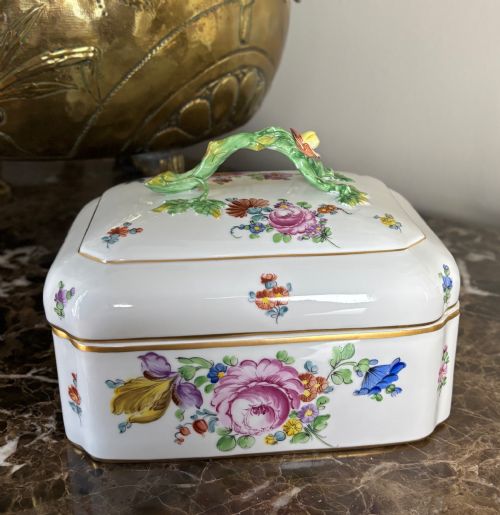
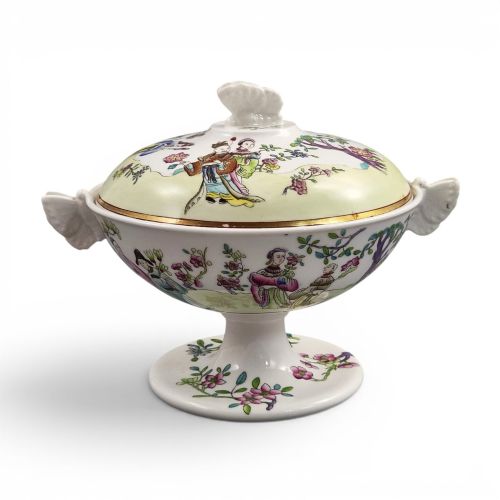
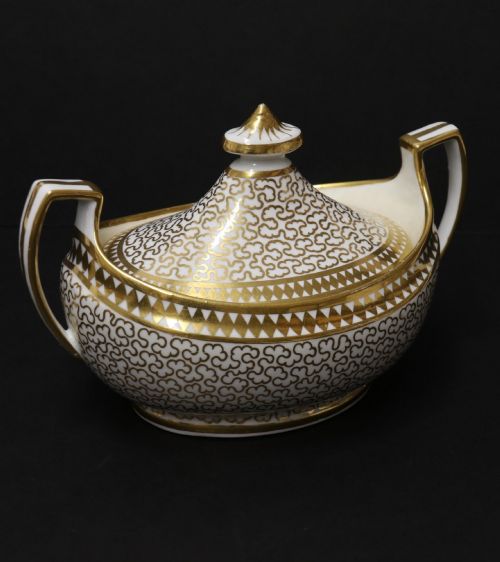
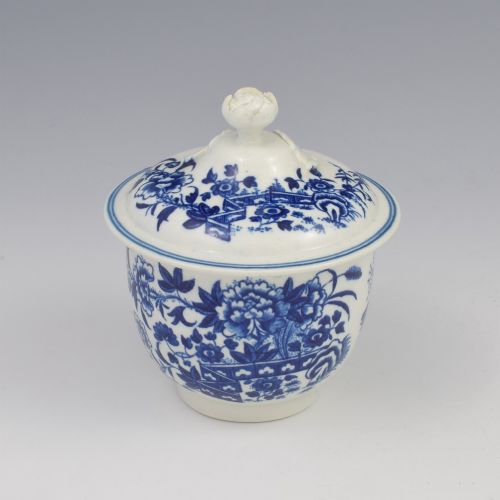
These white porcelain sugar bowl examples range from eighteenth-century Worcester pieces to nineteenth-century productions, offering refined storage for the tea table.
White Porcelain Sugar Bowl
A white porcelain sugar bowl serves as a covered vessel designed for holding sugar, frequently designated in period terms as a sucrier or sugar box. These table wares appear across eighteenth and nineteenth-century periods, spanning Georgian, Regency, and later continental European aesthetics.
The selections available here include lidded forms such as pedestals and covered boxes, alongside related tea-service elements like coffee sets and broth cups. Examples encompass both British factories like Worcester and Spode, and continental makers from France and Italy.
How They Were Made
Potters utilised soft-paste porcelain and standard porcelain bodies, frequently finishing surfaces with lead glazes or specialised felspar porcelain formulations. Hand-applied decoration often incorporated gold leaf, gilding, and enamel paint work to highlight moulded patterns.
Forms were shaped during eighteenth and nineteenth-century manufacturing runs, utilising distinct regional techniques from English and continental European workshops. Covers and handles were fashioned to match specific service patterns, such as the fence pattern or angouleme designs.
White Porcelain Sugar Bowl Retail Price Guide 2026
Typical asking prices for white porcelain sugar bowl among the pieces listed under this phrase on Sellingantiques today, from the lower quarter to the upper quarter. They describe what is for sale here now, not the wider market.
What Varies in Quality
The standard of a white porcelain sugar bowl depends upon the crispness of the porcelain moulding and the precision of the hand-painted enamel or gilding work. Pieces featuring intact covers and well-preserved gold leaf demonstrate superior original craftsmanship.
Distinction exists between standard production items and factory-marked works from prominent periods, such as First Period Worcester or early Spode specimens. The complexity of decorative motifs, including butterfly handles or intricate patterns, distinguishes finer examples.
Spode·Chamberlains Worcester·Ridgway·Ahrenfeldt and Asalvary·Richard Ginori·Worcester Barr Flight and Barr·Coalport
The White Porcelain Sugar Bowl Glossary
- Sucrier
- A French term for a sugar bowl with a cover, commonly used interchangeably with sugar box in period listings. These vessels were essential components of formal tea service sets.
- Felspar Porcelain
- An innovative ceramic body introduced in the nineteenth century, known for its bright white appearance and increased durability. It allowed factories to create refined shapes like pedestals.
- Soft-paste Porcelain
- An artificial porcelain composition fired at lower temperatures than hard-paste, typical of eighteenth-century English factories. It presents a warm, creamy white surface texture under the glaze.
- Lead Glaze
- A vitreous coating applied to ceramic bodies to provide a smooth, waterproof finish. This glaze type interacts distinctively with underlying enamel colours during kiln firing.
- Gilding
- The application of gold leaf or powdered gold to ceramic surfaces for decorative accent. On better pieces, this metalwork is meticulously hand-applied and burnished.
White Porcelain Sugar Bowl: Frequently Asked Questions
What is a sucrier?
A sucrier is a covered vessel specifically intended to hold sugar during tea service, functionally identical to a sugar bowl or sugar box.
These pieces typically include a matching lid to keep contents clean and dry on the table.
How do I date a porcelain bowl?
Dating relies on identifying factory marks, stylistic periods such as Regency or Georgian, and the specific ceramic body used.
Examining the glaze characteristics and hand-painted pattern numbers also helps narrow the manufacturing decade.
Are lids usually original?
Lids on eighteenth and nineteenth-century pieces are generally original to the base if the paste, glaze, and decoration match precisely.
Checking that the interior flange and proportions align correctly confirms the cover belongs to the vessel.
How should I clean antique porcelain?
Antique porcelain requires gentle washing by hand in warm water with mild soap, avoiding harsh scrubbing or dishwashers.
Care must be taken around areas with delicate gilding or enamel decoration to preserve the surface.