


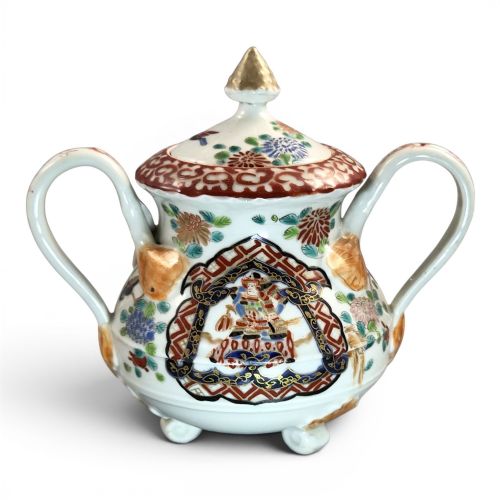


Lidded Sugar Pot
When you search for a lidded sugar pot, you are hunting for a covered vessel that held sugar for the tea table, ranging from porcelain to sterling silver.
Lidded Sugar Pot
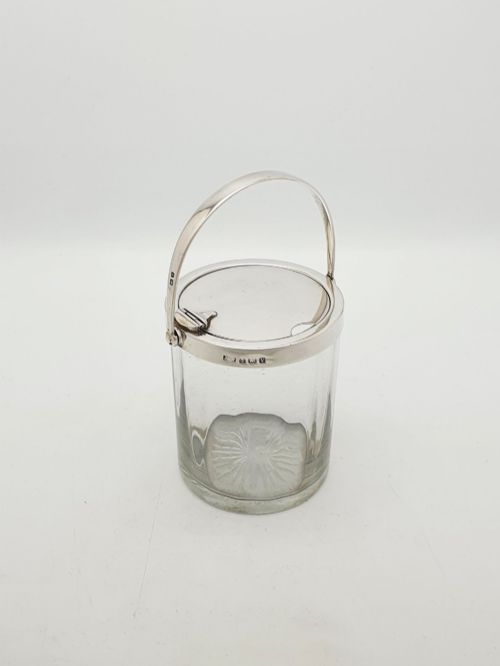
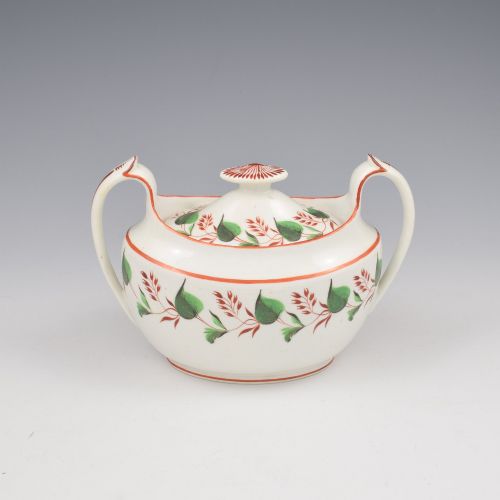
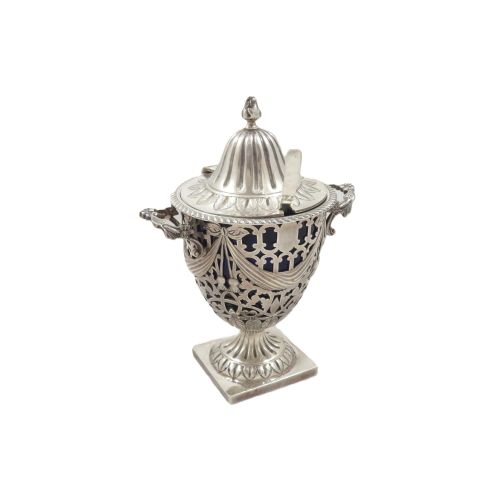
A lidded sugar pot is a domestic container designed to hold refined sugar on the dining or tea table, keeping the contents dry and protected. The examples found here span several centuries and styles, including Regency porcelain sucriers, Edwardian silver baskets, and Japanese export ceramics.
Most pieces you meet on this page take the form of traditional oval sucriers, lidded bowls, or small handled baskets with fitted covers. They originate from British, European, and Asian workshops, reflecting the shifting tastes of the eighteenth, nineteenth, and early twentieth centuries.
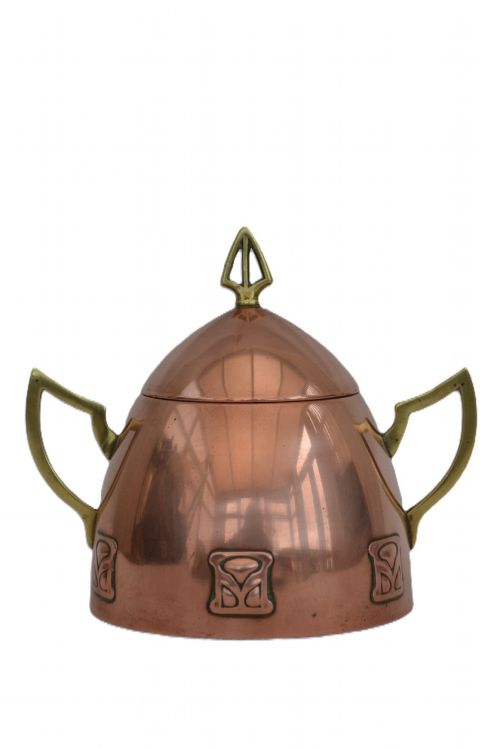
The materials vary widely between ceramic bodies and metals, encompassing everything from Meissen porcelain and Baccarat glass to copper-plated WMF vessels. Each form serves the same fundamental function while displaying the distinct aesthetic priorities of its period of manufacture.
How they were made
Potters shaped these vessels using hard-paste and soft-paste porcelain, applying hand-painted glazes, transfer printing, or rich cobalt and gold leaf details. Glass pots utilised techniques such as cranberry glass colouring and white latticinio cane work to achieve their decorative patterns.
Metal versions relied on sterling silver, brass, and copper plating, often shaped through casting, piercing, or hammering. Makers like WMF employed electroplating over base metals, whereas silversmiths constructed baskets and urns from solid sterling silver components.
Lidded Sugar Pot Retail Price Guide 2026
Typical asking prices for lidded sugar pot among the pieces listed under this phrase on Sellingantiques today, from the lower quarter to the upper quarter. They describe what is for sale here now, not the wider market.
Materials across these listings include cranberry glass, cobalt glass, copper, brass, and gold leaf applied to European and Japanese ceramics.
What varies in quality
The quality of a lidded sugar pot rests upon the crispness of its moulding or the weight and balance of its metalwork. Finer ceramic pieces display precise hand-painted enamel work and well-preserved gilding, while lesser examples show wear or hurried decoration.
Makers' marks and factory attributions elevate a piece, distinguishing standard domestic wares from documented studio productions like Baccarat glass or Fukagawa porcelain. The structural integrity of the lid and its fit to the main body also separate standard items from superior works.
Spode·WMF·Fukagawa·Baccarat·Shozan Kyoto Studio·Richard Ginori·Meissen
The Lidded Sugar Pot Glossary
- Sucrier
- A French term for a sugar bowl, frequently used to describe lidded porcelain sugar boxes from the Regency period. These vessels usually feature twin handles and a matching fitted cover.
- Latticinio
- A glassblowing technique involving opaque white or coloured glass threads embedded within clear glass. It creates delicate net-like patterns across the body of the pot.
- Imari
- A style of Japanese export porcelain decorated in underglaze blue, iron red, and gold. Pieces typically display complex floral and pictorial compositions.
- Bonbonniere
- A small decorative container originally intended to hold sweets or confectionery. In antique ceramics, this term often describes covered jars and porcelain sugar pots.
- Pot Pourri
- A vessel designed to hold dried scented plant material, featuring a pierced lid to release fragrance. These items share similar forms with lidded sugar baskets of the Edwardian era.
Lidded Sugar Pot: Frequently Asked Questions
What is a lidded sugar pot used for?
These vessels were originally placed on the tea table to hold lump or granulated sugar, keeping the contents clean and dry between uses. The fitted lid protected the sugar from moisture and dust in the dining room.
Today, collectors use them to display period ceramics or glassware, or repurpose them as small storage containers for the home.
How do I clean an antique silver sugar pot?
Sterling silver and silver-plated vessels require gentle cleaning with a soft cloth and a reputable silver polish to maintain their finish. Avoid harsh abrasive cleaners that can wear away thin plating on copper or brass.
Ceramic and glass pots should be washed by hand in warm soapy water, avoiding dishwashers which can damage old glazes and gilding.
How do I date a porcelain sugar bowl?
Dating relies on examining the factory marks stamped or painted on the base, alongside the style of decoration and the shape of the ceramic body. Regency pieces often feature neoclassical forms, while later nineteenth-century items display eclectic or revivalist motifs.
Comparing the glaze texture and wear patterns to documented examples from specific makers provides further clues to the manufacturing decade.
Are these sugar pots safe for daily use?
While structurally sound, many antique ceramic and glass pots feature delicate hand-painted enamels, gold leaf, or aged metal surfaces that suffer from regular handling and washing. Using them for display or occasional dry storage preserves their condition.
Silver baskets with glass liners can accommodate modern use more easily, provided the glass insert is original and undamaged.