



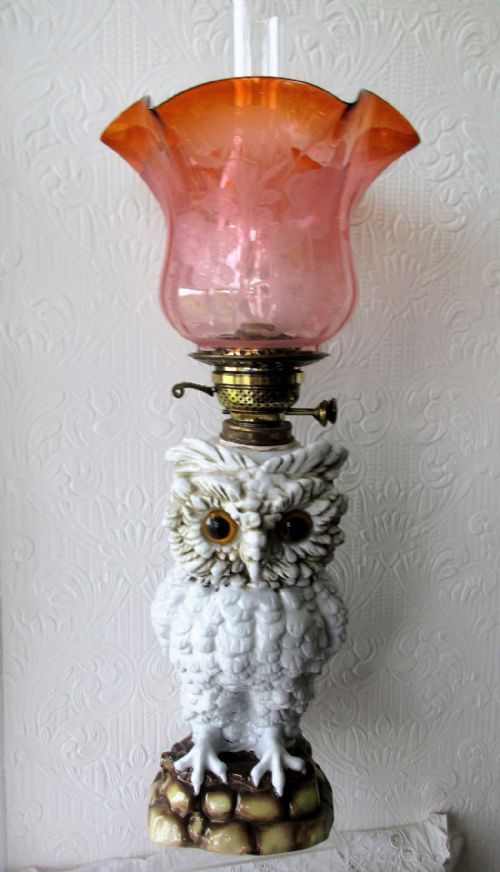
Antique Porcelain Kerosene Lamp
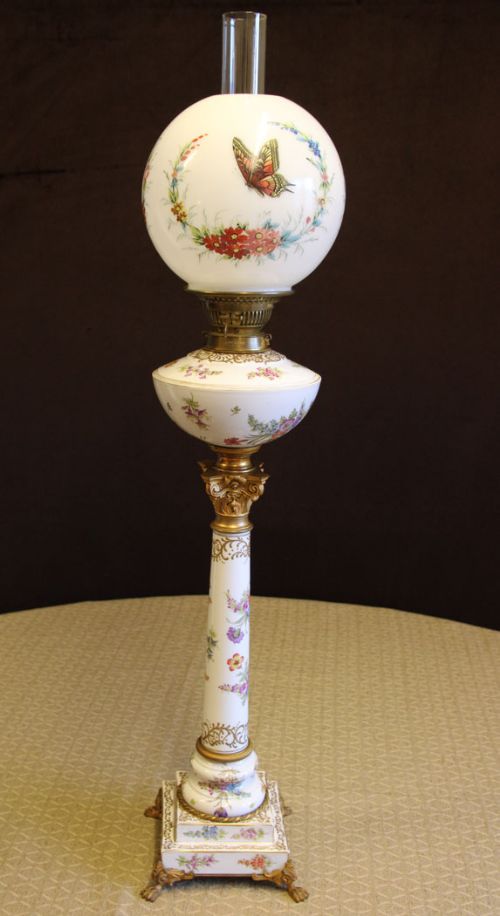
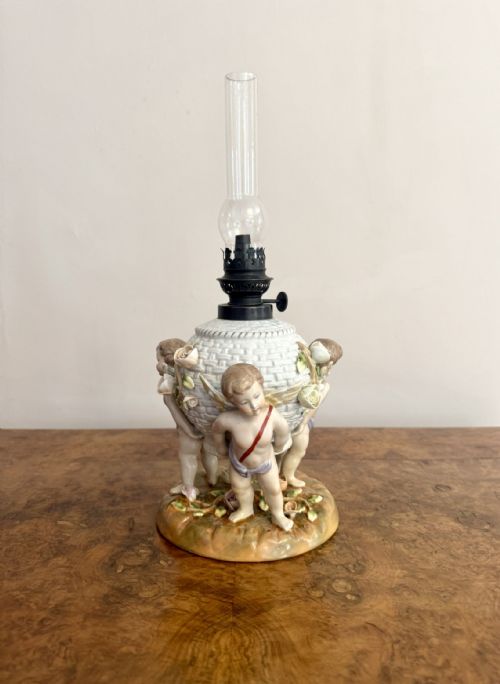
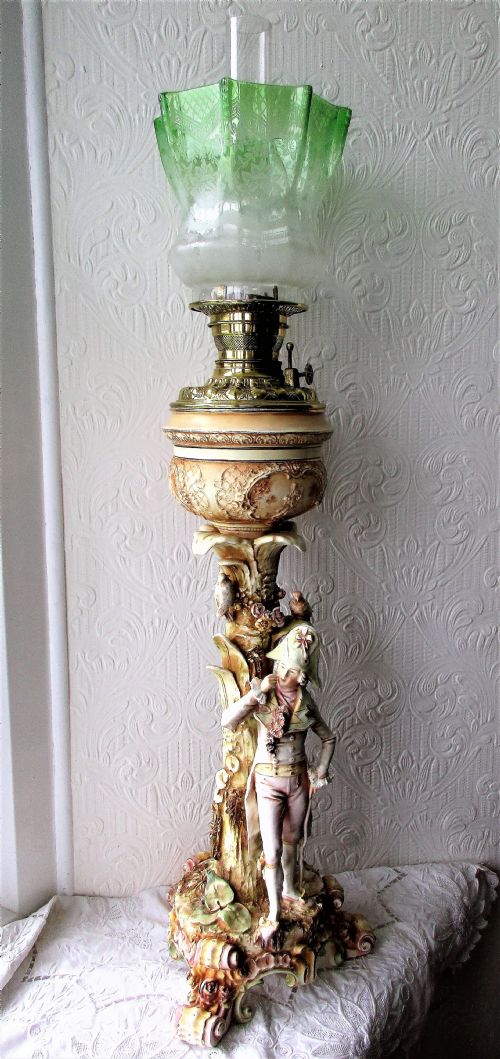
These antique porcelain kerosene lamp examples bring sculptural Victorian design and glowing warmth to a room.
Antique Porcelain Kerosene Lamp
When you search for an antique porcelain kerosene lamp, you encounter lighting designed for domestic interiors during the nineteenth century. These items function primarily as oil lamps and table lamps, combining ceramic fonts with metal burners.
The pieces listed on this page originate predominantly from the Victorian period, spanning the decades from eighteen sixty to nineteen hundred. Many examples exhibit specific nineteenth century styles including Victorian Rococo Revival and French Rococo Revival.
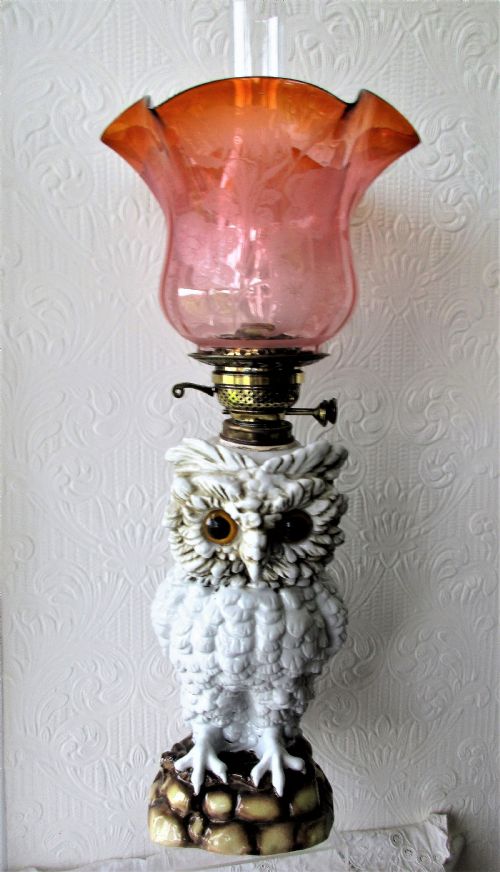
You are most likely to meet elaborate figural models and decorated column forms alongside paired table lights. Makers and decorators from Germany, notably Sitzendorf, produced distinctive sculptural designs such as owl motifs.
How they were made
The construction of these lamps relies upon a combination of ceramic and metal elements assembled to hold fuel and support a burner. Manufacturers utilised porcelain and ceramic for the body, frequently pairing them with brass, gilt brass, and opaline glass components.
Moulded porcelain bodies are often hand-painted and glazed, then mounted on cast metal bases. Additional finishing involves gilt highlights and applied fabric shades on later table configurations.
Antique Porcelain Kerosene Lamp Retail Price Guide 2026
Typical asking prices for porcelain kerosene lamp among the pieces listed under this phrase on Sellingantiques today, from the lower quarter to the upper quarter. They describe what is for sale here now, not the wider market.
Listings for this phrase focus exclusively on nineteenth-century pieces, spanning the Victorian era from eighteen sixty to nineteen hundred.
What varies in quality
The distinction between ordinary and exceptional examples rests in the modelling and hand-painting of the porcelain body. Finer pieces display crisp figural detail, particularly in animal and human forms, alongside well-preserved gilding.
Substantial scale and the presence of matching components, such as original shades or paired table sets, elevate the standing of a lamp. Maker attribution, specifically pieces bearing recognised factory marks, further separates standard production from superior work.
Sitzendorf
The Antique Porcelain Kerosene Lamp Glossary
- Porcelain
- A hard, fine-grained ceramic material fired at high temperatures. It provides a smooth white surface ideal for detailed hand-painting and intricate moulding.
- Burner
- The metal mechanism mounted on top of the font that regulates the flame and holds the wick. Brass is the common material for this hardware.
- Rococo Revival
- A nineteenth-century design style characterised by asymmetrical scrollwork, C-scrolls, and naturalistic floral motifs. It heavily influences many Victorian lamp bases.
Antique Porcelain Kerosene Lamp: Frequently Asked Questions
How do I date an antique porcelain oil lamp?
Dating relies on stylistic clues, manufacturing techniques, and any visible maker marks on the ceramic base or metal burner. Victorian pieces frequently incorporate specific revival styles and hand-painted details typical of the nineteenth century.
Examining the type of brass collar and construction methods helps narrow the decade of production between eighteen sixty and nineteen hundred.
Can these antique lamps still burn kerosene?
Most collectors convert these lamps for electrical use to ensure safety in modern homes while preserving the exterior aesthetic. Retaining the original oil reservoir and burner parts without fuel allows the piece to function safely as a table light.
Consulting a professional restorer ensures that wiring respects the historical integrity of the porcelain and metal structure.
Where should I place a porcelain table lamp?
These lamps suit side tables, mantelpieces, or central display surfaces where their detailed porcelain bodies and figural designs remain visible. Placing them away from heavy foot traffic protects delicate handles, shades, and painted surfaces.
Matching pairs look particularly striking when balanced on matching sideboards or buffet tables.
What is the difference between porcelain and opaline glass lamps?
Porcelain is an opaque, vitrified ceramic material that takes detailed sculptural form and fine enamel painting. Opaline glass offers a translucent, milky appearance often utilised for contrasting shades or bodies within the same period.
Many Victorian lighting designs combine both materials within a single piece, using porcelain for the figural base and opaline glass for the shade.