




Antique Porcelain Inkstand
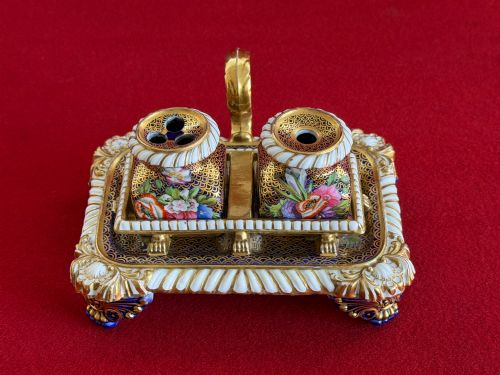
These antique porcelain inkstand examples bring Regency and Victorian desk accessories together, offering hand-painted detail and ceramic craftsmanship for writing tables.
Antique Porcelain Inkstand
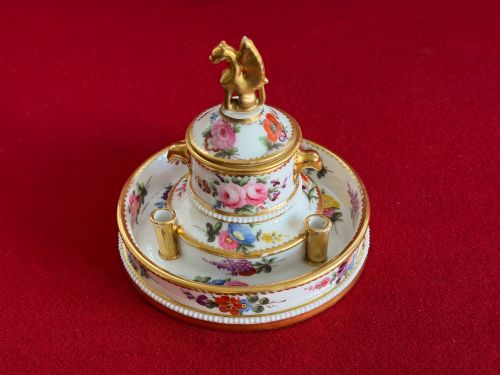
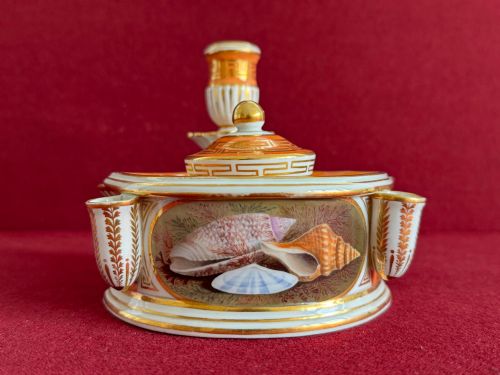
An antique porcelain inkstand combines utilitarian desk accessories with decorative ceramic artistry, appearing across Regency, Georgian, and Victorian periods. Buyers search for these pieces to add period character to a writing table or study.
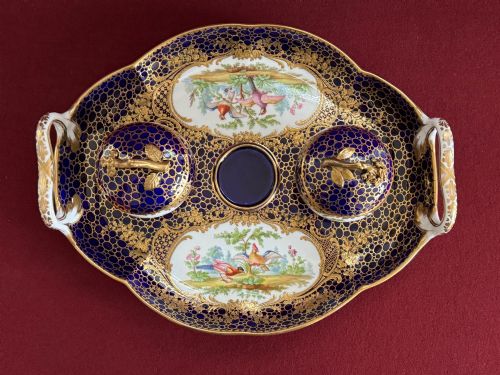
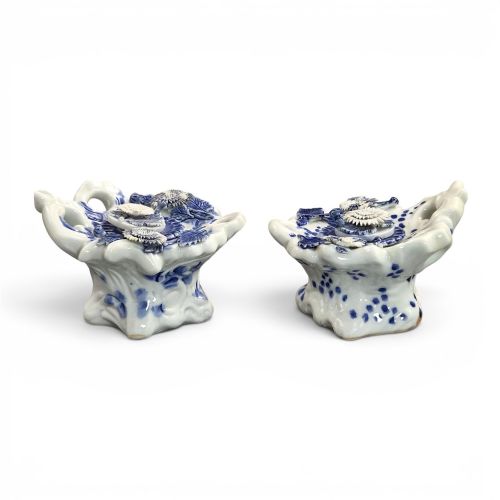
The selections range from single inkwells and quill holders to multi-piece desk sets featuring cobalt glaze, enamel, and gold leaf highlights. Continental factories, English potteries, and Japanese workshops all contribute distinct forms to this category.
Most examples date through the nineteenth century, utilising ceramic bodies shaped into figural models, pyramidal covers, and compartmentalised stands. They survive as functional desk furniture or decorative cabinet pieces.
Materials and construction methods
Potters shaped these objects from porcelain, bone china, earthenware, and ceramic bodies, often mounting the finished vessels on brass bases. Hand-painting and cobalt glaze provide the primary surface decoration across English and continental examples.
Makers applied gold leaf highlights and enamel colours over the fired ceramic, combining potting traditions with metal mounts. Certain items incorporate separate inserts and quill holders to organise writing equipment.
Antique Porcelain Inkstand Retail Price Guide 2026
Typical asking prices for porcelain inkstand among the pieces listed under this phrase on Sellingantiques today, from the lower quarter to the upper quarter. They describe what is for sale here now, not the wider market.
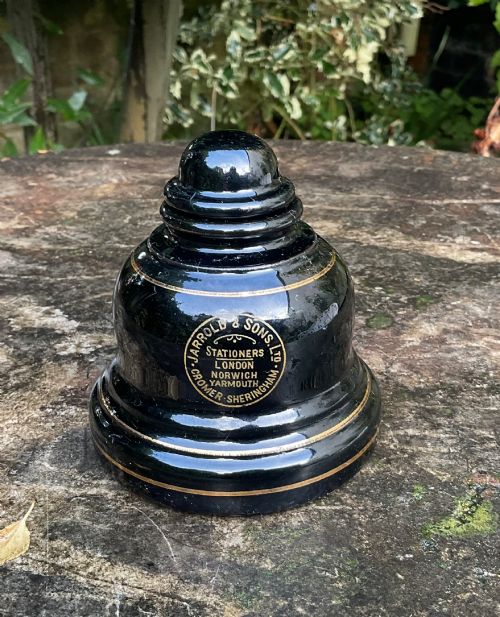
Several Victorian desk pieces take the form of greyhounds and singing boys holding quills.
Judging quality and execution
Quality rests in the crispness of the porcelain modelling and the control of hand-painted enamel work. Pieces featuring distinct factory marks, gilding, and complete sets command greater attention from collectors.
The sophistication of the ceramic body and the integration of auxiliary materials like brass fittings determine the standing of an individual inkstand.
Edmé Samson·Spode·Flight Barr And Barr·Minton·Meissen
The Antique Porcelain Inkstand Glossary
- Inkstand
- A fitted tray or stand holding inkwells, sanders, and pen holders for a desk. It forms the central platform for writing materials.
- Quill Holder
- A ceramic support designed to hold feather quills or pens beside the inkwell. These often take figural shapes.
- Bone China
- A type of porcelain containing bone ash, producing a durable and translucent white ceramic body. It became popular in English manufacturing.
- Cobalt Glaze
- A deep blue ceramic colour applied under the glaze before firing. It withstands high temperatures without losing intensity.
- Schneeballen
- A German ceramic technique involving applied clusters of small white flowers and leaves over the surface. It translates to snowball work.
Antique Porcelain Inkstand: Frequently Asked Questions
How do I date an antique porcelain inkstand?
Dating relies on stylistic clues, paste composition, and factory marks found on the base of the ceramic body. Regency and Georgian pieces often display neoclassical motifs, while Victorian examples lean toward bolder colour and revival styles.
Examining the wear on the bottom and the style of the hand-painting helps separate earlier production from later nineteenth-century manufacturing.
Were these inkstands used for writing?
These pieces served as functional desk accessories for holding wet ink, sand for blotting, and quill pens in studies and offices. Wealthy households utilised decorative stands made from porcelain and brass to furnish writing desks.
Over time, many lost their original glass or ceramic liners through daily use and cleaning.
How should I clean porcelain inkstands?
Cleaning requires a soft, dry cloth to remove dust from the ceramic surface and crevices. Water and harsh chemical cleaners can damage delicate enamel decoration and gold leaf gilding.
Keeping the pieces away from direct sunlight preserves the hand-painted colours on the porcelain body.
What is the difference between an inkwell and an inkstand?
An inkwell is a single vessel designed specifically to hold a supply of ink for dipping pens. An inkstand is a larger tray or stand that incorporates one or more inkwells alongside compartments for pens, stamps, and sanders.
Desk sets often combine these elements into a matched porcelain assembly.