





Victorian Sevres Style Porcelain
Victorian sevres style porcelain combines continental ceramic taste with British interior design flair, offering ornamental clocks, vases and furniture panels.
Victorian Sevres Style Porcelain
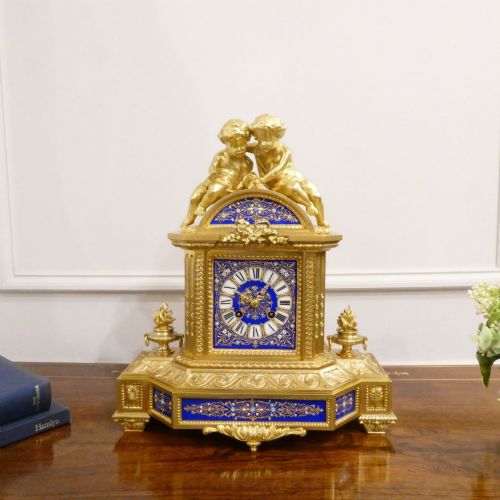
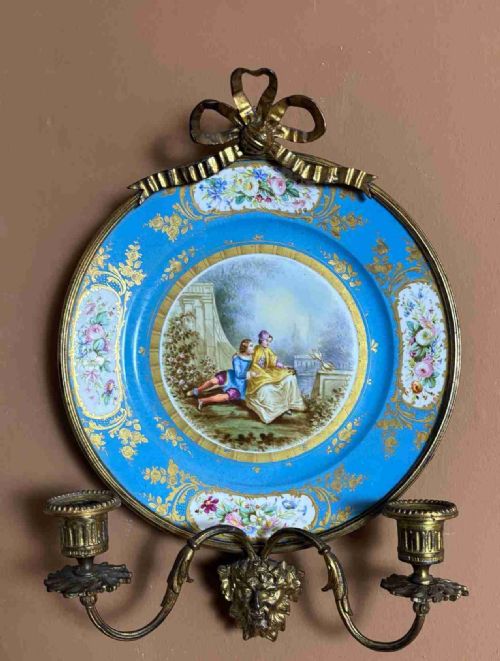
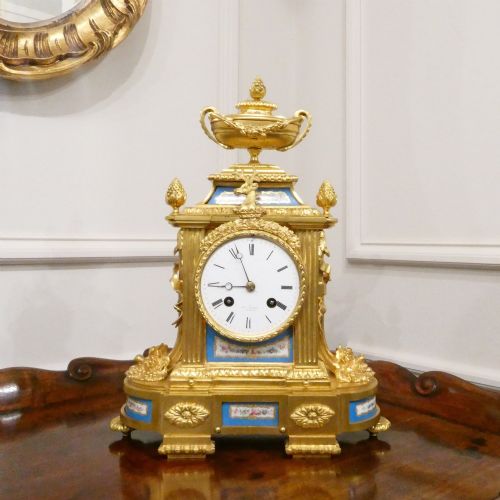
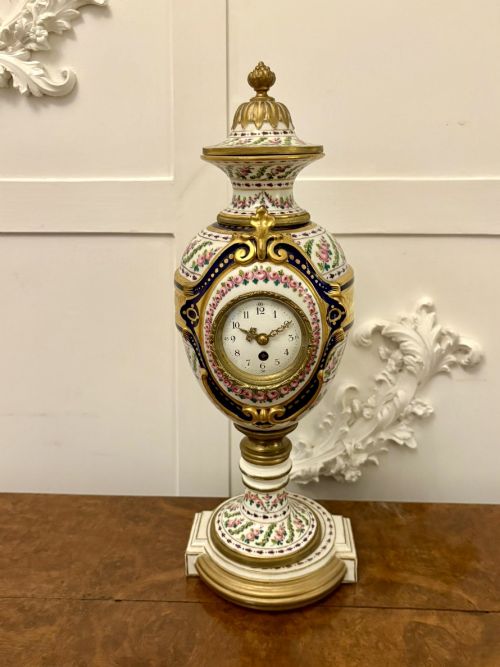
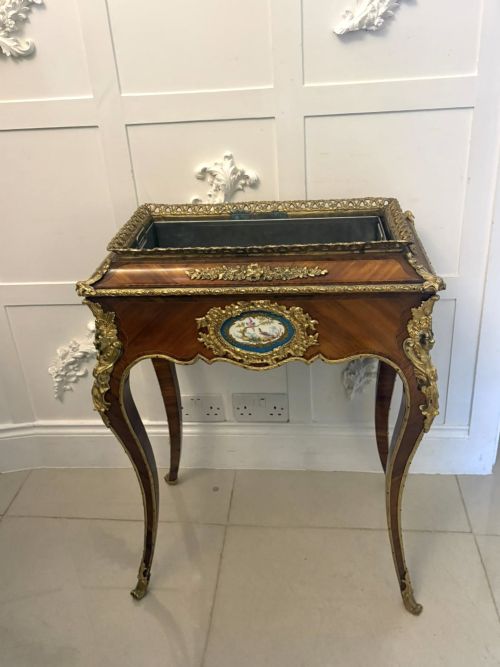
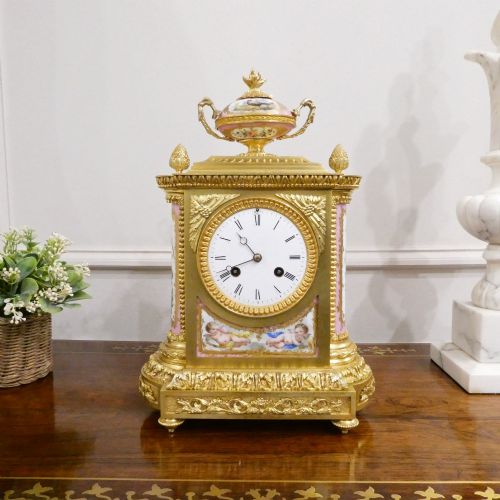
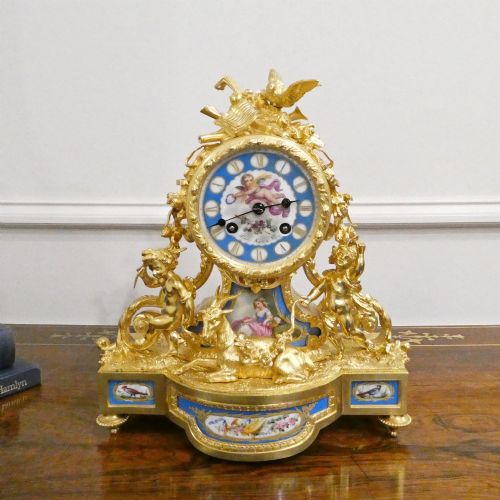
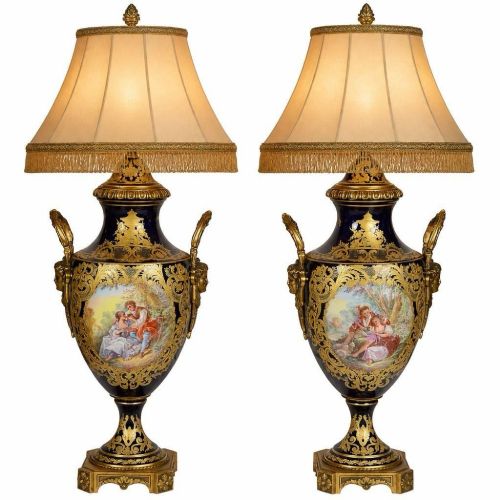
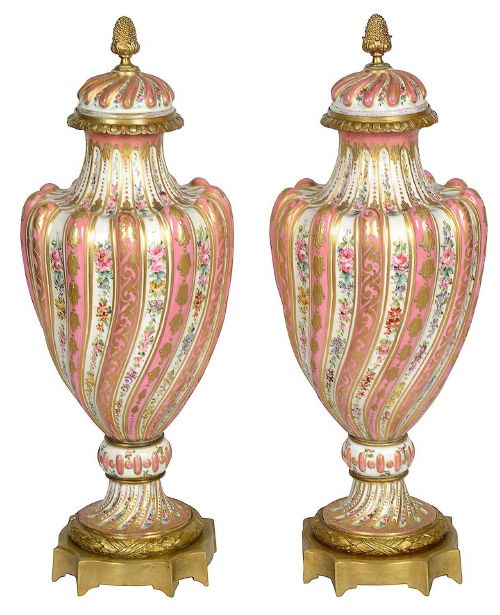
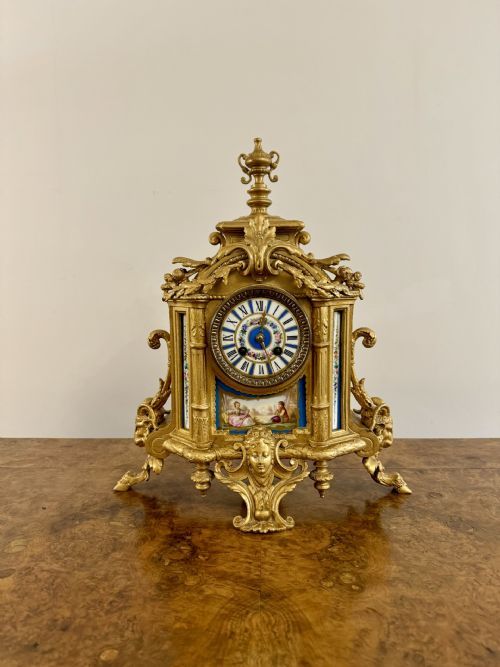
When you search for victorian sevres style porcelain, you encounter 19th century decorative pieces that emulate the soft-paste ceramic traditions of the French royal factory. These items span mantel clocks, lidded urns, comports, wall-mounted plaques, and large furniture such as credenzas and side cabinets.
The objects appearing here date primarily from the mid to late 19th century, specifically between 1850 and 1900. French workshops and British makers alike produced these works during the Victorian era, drawing heavily upon Louis XVI revival, Rococo revival, and Second Empire design vocabulary.
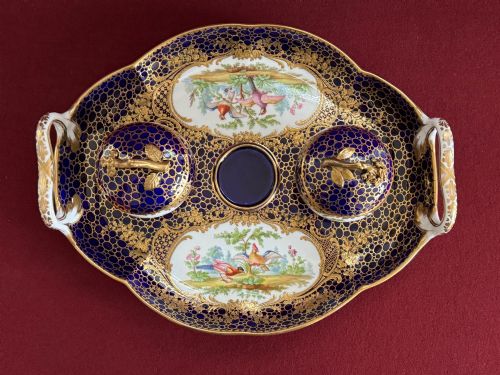
Table lamps, inkstands, and jewellery caskets also surface frequently alongside larger garnitures and centre tables. Each object integrates glazed ceramic plaques into gilt metal mounts, brass frameworks, or rich timber carcases.
Materials and construction techniques
Makers shaped these pieces from fine porcelain, often applying hand-painted scenes, floral reserves, and rich turquoise, pink, or blue ground colours. Gold leaf and gilt detailing highlight the ceramic surfaces, framing the central painted motifs.
Mounts of ormolu, gilt bronze, and gilt metal secure the porcelain components into functional and decorative objects like mantel clocks, jardiniere stands, and lidded vases. Cabinetry pieces incorporate kingwood, burr walnut, amboyna, and ormolu framing to house the porcelain panels.
Enamel dials, glass panels, and brass clock movements complete the horological items listed in this category. The integration of bronze casting and ceramic firing required close collaboration between metalworkers and ceramic artists.
Victorian Sevres Style Porcelain Retail Price Guide 2026
Typical asking prices for victorian sevres style porcelain among the pieces listed under this phrase on Sellingantiques today, from the lower quarter to the upper quarter. They describe what is for sale here now, not the wider market.
Materials recorded across the inventory include porcelain, ormolu, gilt bronze, enamel, glass, brass, and gold leaf.
Judging the quality of these works
The sophistication of the hand-painted ceramic decoration distinguishes superior examples from standard production. Finely rendered figures, detailed floral reserves, and evenly applied ground colours indicate higher artistic effort during manufacture.
Attribution to documented makers such as Jean-Baptiste Delettrez, Henry Marc, Le Roy & Fils, Minton, or Kerr & Binns elevates the standing of an item. The integration of exotic timbers in furniture carcases adds further distinction.
Jean-Baptiste Delettrez·Henry Marc·Le Roy & Fils·Minton·Kerr & Binns
The Victorian Sevres Style Porcelain Glossary
- Ormolu
- Gilded bronze, where a layer of gold is applied to a base of copper and zinc. This technique yields a warm, durable metallic finish typical of French and British luxury goods.
- Comport
- An ornamental dish or bowl raised on a stem, used for serving fruit or as a table centrepiece. In this category, comports feature porcelain bowls mounted on gilt bases.
- Credenza
- A large sideboard or cabinet used for display and storage. Victorian versions frequently incorporate painted porcelain plaques and ormolu mounts within kingwood or walnut structures.
- Cassolette
- A decorative lidded vase or urn designed to hold perfumes or burn pastilles. These objects often double as garniture elements flanking mantel clocks.
- Garniture
- A set of three or more decorative objects, typically a clock flanked by matching vases or cassolettes, designed for display on a mantelpiece.
Victorian Sevres Style Porcelain: Frequently Asked Questions
What is victorian sevres style porcelain?
It refers to 19th century ceramics and mounted decorative objects produced in Britain and France that emulate the aesthetic of the historic French Sèvres factory. These pieces include painted plaques set into furniture, mantel clocks, vases, and table lamps.
They capture the ornamental grandeur of earlier French royal styles while adapting to Victorian interior tastes. The category encompasses both ceramic tablewares and large decorative furnishings.
How were these decorative pieces used?
In Victorian drawing rooms and salons, items like mantel clocks, comports, and lidded urns served as prominent focal points for interior decoration. Credenzas and side cabinets integrated porcelain panels to display wealth and refined taste.
Smaller objects such as inkstands, jewellery caskets, and desk accessories populated writing tables and boudoirs. Lamps and oil lamps introduced functional illumination alongside decorative ceramic appeal.
How do I care for these objects?
Keep porcelain and gilt metal surfaces clean by dusting gently with a soft, dry brush. Avoid harsh chemical cleaners or abrasive cloths that can damage hand-painted glazes or wear away gold leaf.
Protect mounts and timber carcases from direct sunlight and excessive moisture to preserve the ormolu and exotic wood veneers. Mechanical clock movements require professional servicing rather than amateur cleaning.
How do I identify the period and style?
Examine the construction methods, timber types, and mount designs to distinguish mid to late 19th century manufacture. Pieces often draw upon Louis XVI revival, Rococo revival, or Second Empire design idioms.
Look for maker signatures on clock dials, movements, or ceramic undersides. Stylistic cues like gilt bronze casting quality and specific ground colours help narrow the date of production within the Victorian era.