

Antique Writing Inkstand
An antique writing inkstand brings desktop correspondence to life through fitted glass, sterling silver, and polished hardwoods.
Antique Writing Inkstand
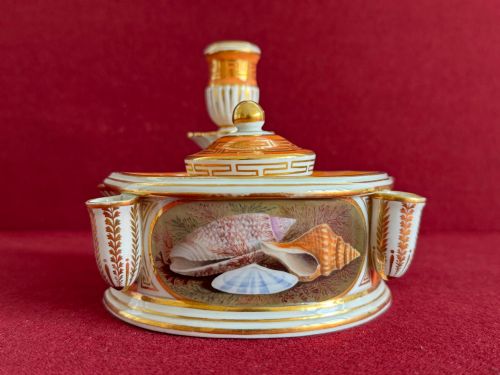
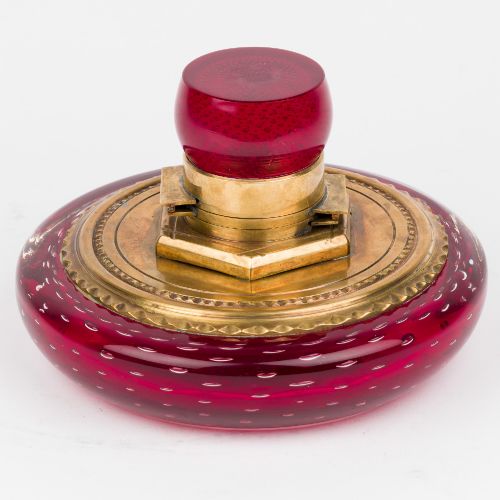
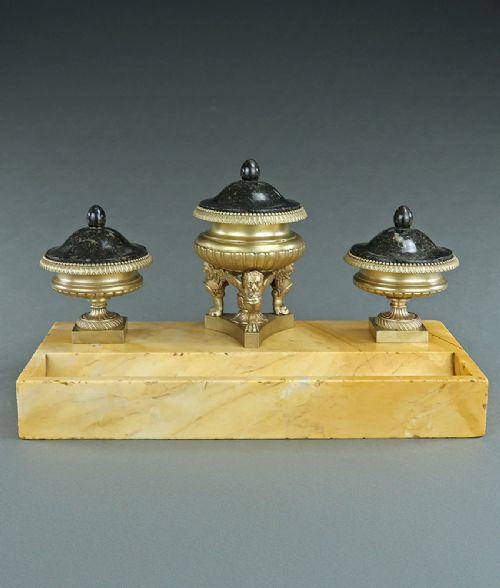
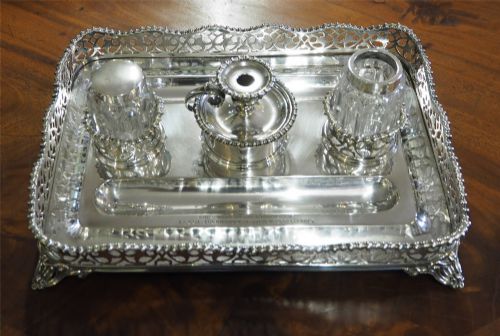
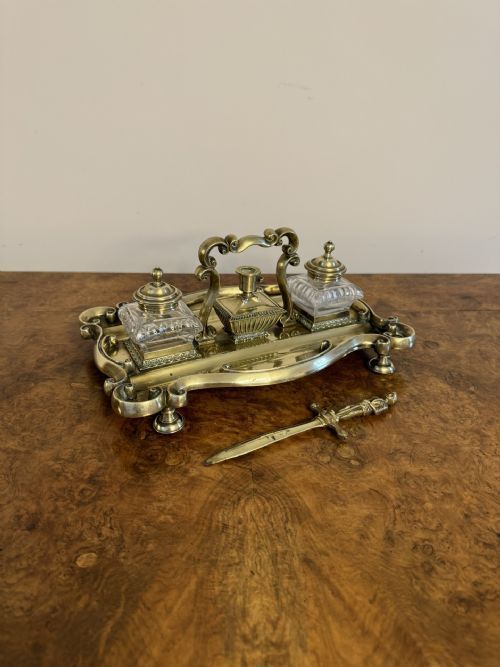
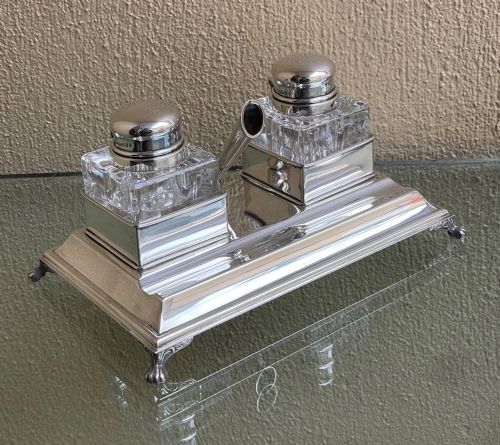
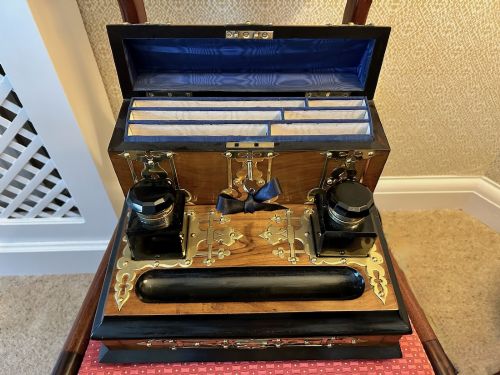
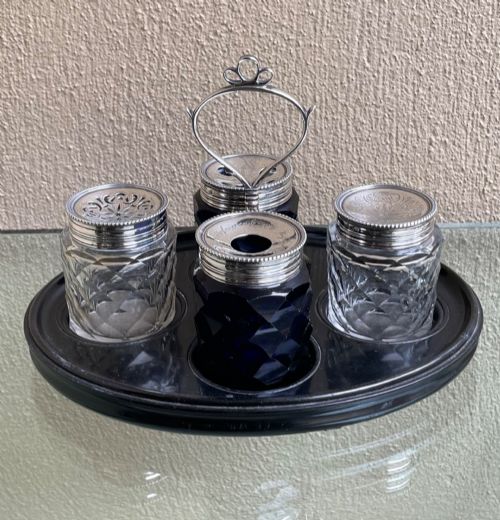
The antique writing inkstand takes many forms, ranging from simple glass wells to elaborate fitted desk sets with built-in pen rests and compartments. Most examples you encounter stem from the Victorian and Edwardian eras, utilising heavy brass, cut glass, and sterling silver mounted on wooden bases.
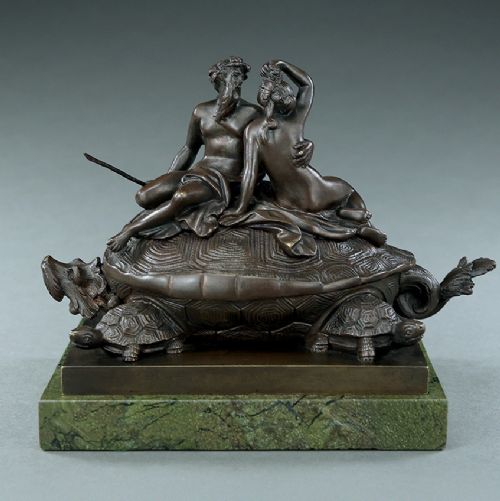
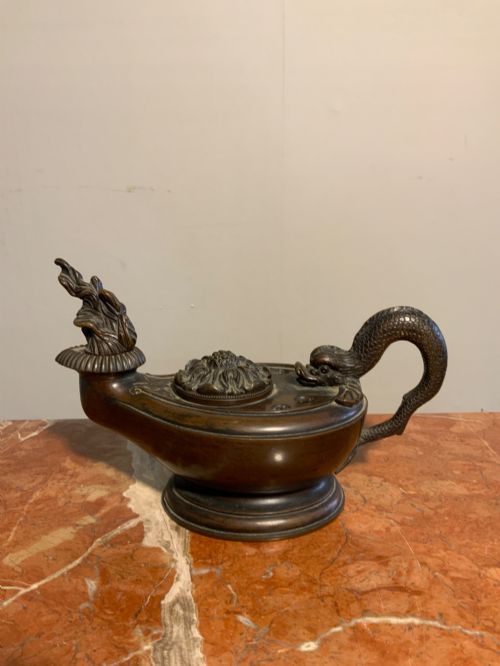
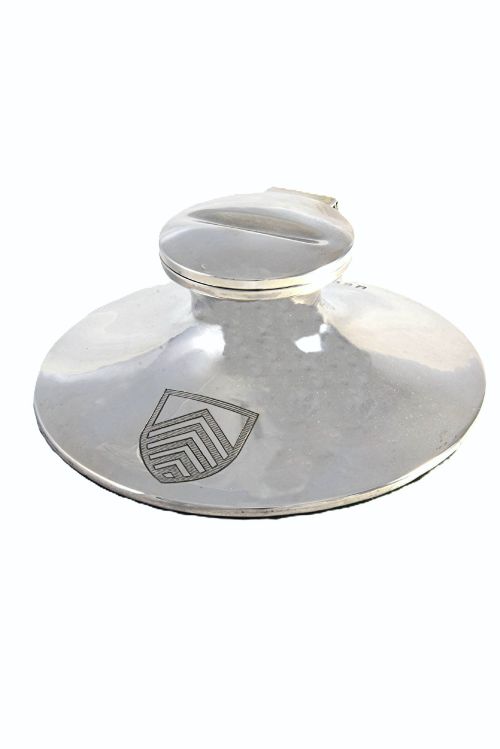
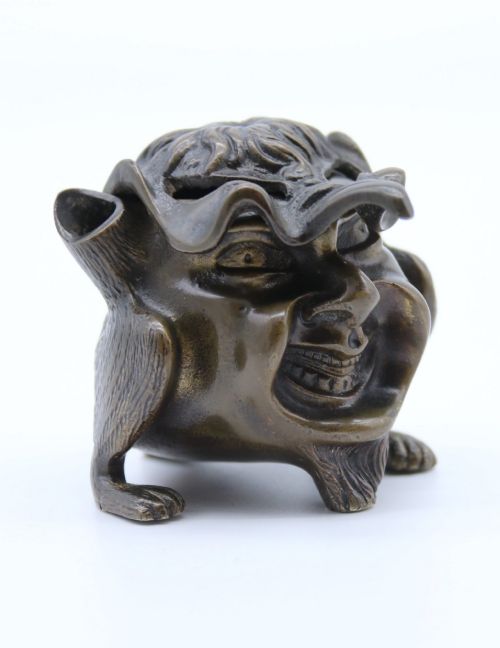
Tray bases frequently hold one or two inkwells alongside dedicated spaces for sealing wax and nibs. You will also find distinctive capstan shapes, novelty animal bronzes, and portable travel versions designed for the nineteenth-century writing desk.
Materials and construction methods
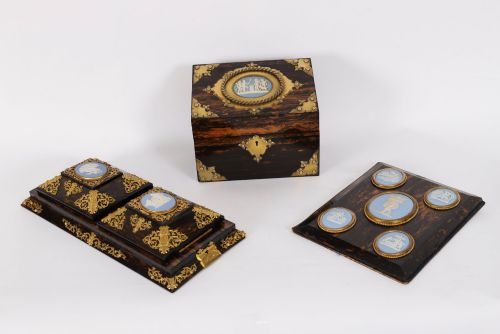
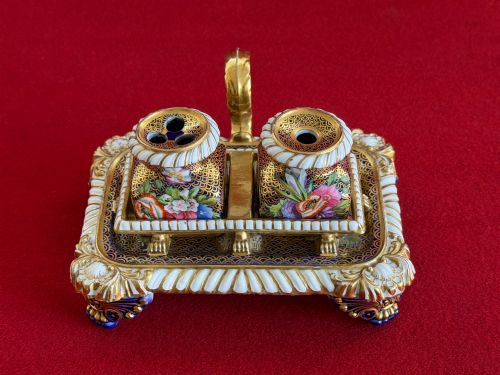
Makers shaped these pieces from cast bronze, spun or cast sterling silver, and plated metals, often combining them with cut glass, porcelain, and stones such as marble or malachite. Wooden stands utilise dense timbers like walnut, coromandel, and ebony, frequently enhanced with brass stringing or Boulle work inlay.
Hinged collars, fitted glass inserts, and protective silver or ormolu mounts required precise metalworking and joinery. Enamel work, champlevé decoration, and tortoiseshell panelling added decorative surface detail to luxury desk accessories.
Listings feature brass, sterling silver, bronze, and cut glass across Victorian, Edwardian, and Regency periods.
Distinguishing quality on the desk
Quality rests upon the weight of the metal, the clarity and depth of cut glass, and the precision of the woodwork. Superior examples feature heavy gauge sterling silver, thick fire-gilded ormolu, and robust hinges that hold inkwell lids firmly closed.
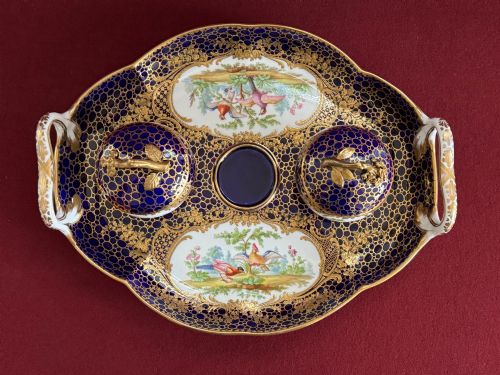
Details such as hand-painted porcelain panels, intricate tortoiseshell inlays, and fully fitted drawers separate standard utilitarian desk tidies from exceptional exhibition pieces commissioned for grand libraries.
Elkington·Walker And Hall·Henry Matthews·Wilkinson Co
The Antique Writing Inkstand Glossary
- Inkstand
- A desktop tray or stand fitted with one or more inkwells and usually a pen rest. It served as the central writing accessory in studies and libraries.
- Capstan inkwell
- A low, wide inkwell shaped like a ship capstan, tapering inward from a broad base to a smaller top opening. Silver and tortoiseshell versions are particularly collectible.
- Standish
- An alternative term for a portable writing stand or inkstand, often incorporating compartments for sand, wafers, and pens.
- Pounce pot
- A small shaker container used to sprinkle powdered sand or resin onto freshly written paper to quicken ink drying. They frequently accompany Georgian inkstands.
- Boulle work
- A style of marquetry using brass and tortoiseshell inlaid in elaborate scroll patterns. It appears on luxury nineteenth-century desk stands.
Antique Writing Inkstand: Frequently Asked Questions
How do I clean an antique inkwell?
Remove glass liners carefully and wash them in warm soapy water, avoiding abrasive pads on aged glass or crystal.
Polish metal mounts and silver trays with a soft cloth, keeping cleaning pastes away from wooden bases or porous stone inserts.
What is the difference between an inkstand and a desk tidy?
An inkstand focuses primarily on housing inkwells, pen rests, and small writing utensils on a compact tray base.
Desk tidies often incorporate larger compartments for stationery, envelopes, and blotting paper alongside the core ink reservoirs.
How do I identify a Victorian inkstand?
Victorian pieces frequently combine heavy cast brass, cut glass, and burr walnut with ornate surface decoration influenced by Gothic Revival or Rococo tastes.
Look for British hallmarks on silver mounts or registration diamond marks stamped into brass components to date the piece precisely.