
Antique Porcelain Fruit Display
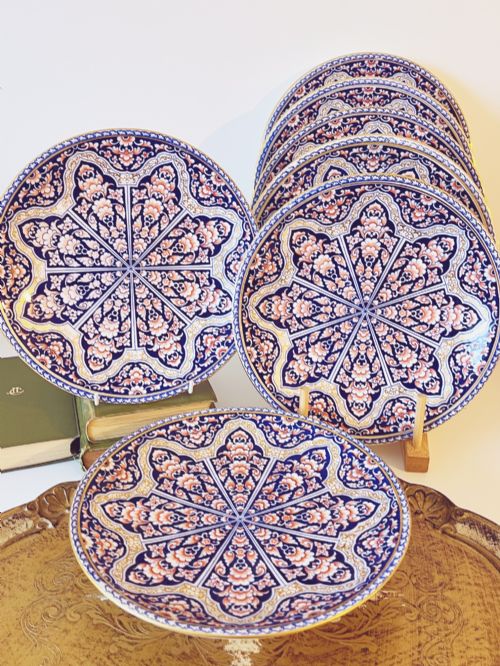
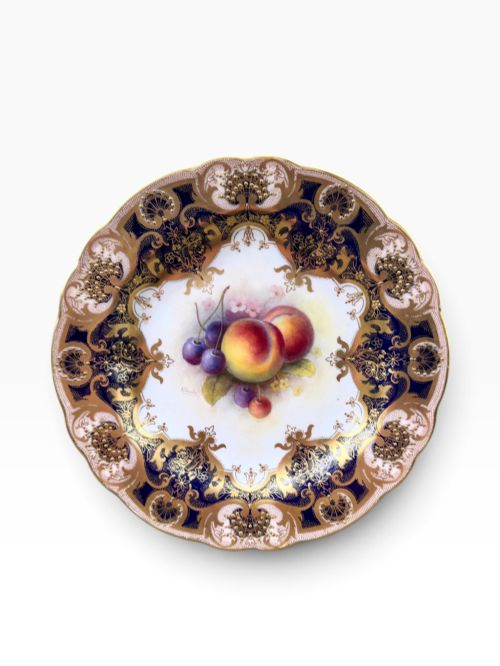
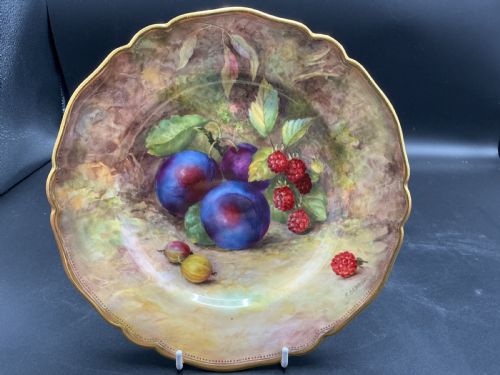
These porcelain fruit display pieces bring hand-painted botanicals and rich Imari patterns directly to the table.
Antique Porcelain Fruit Display
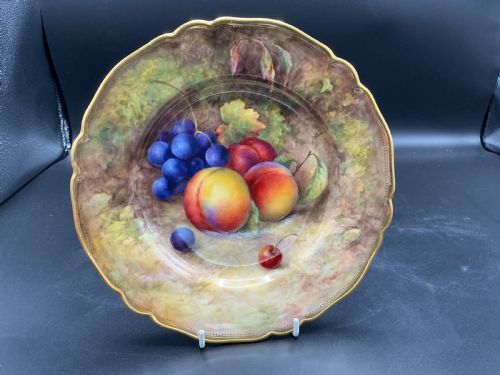
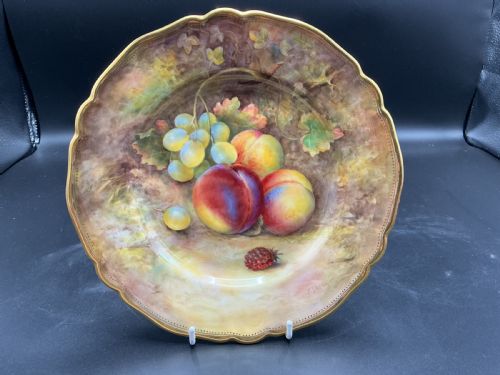
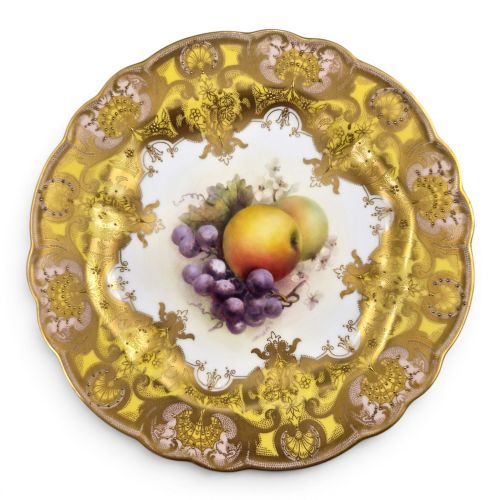
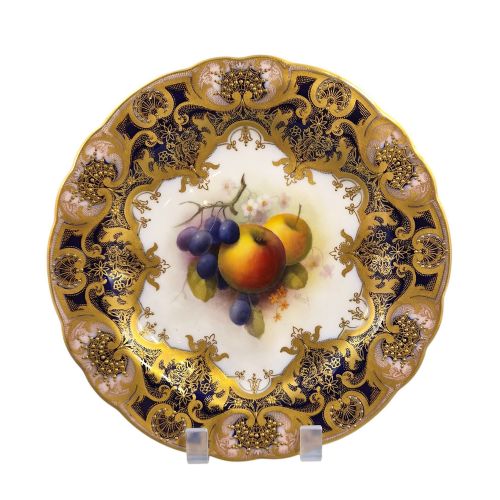
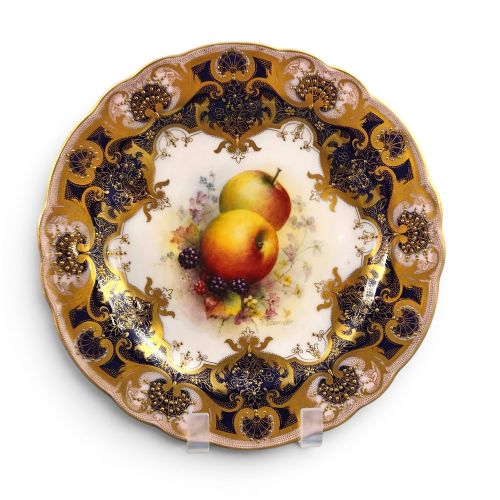
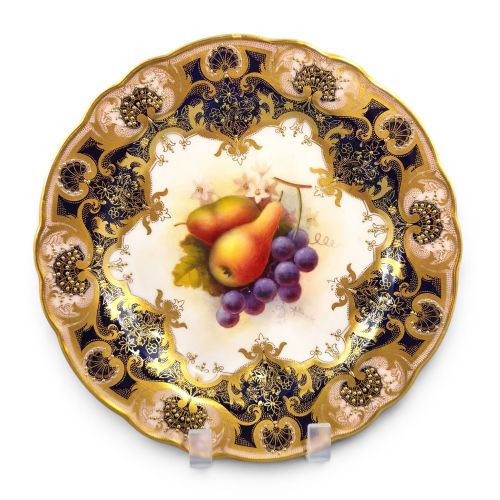
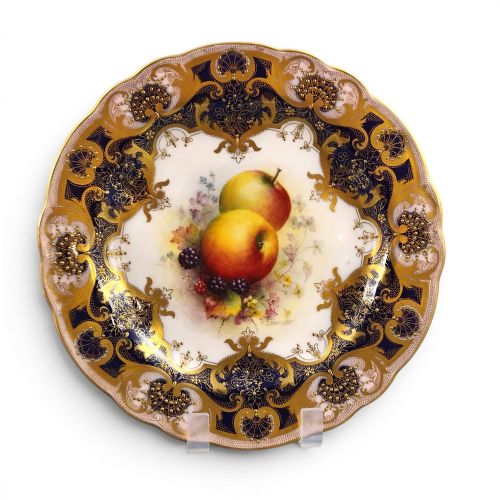
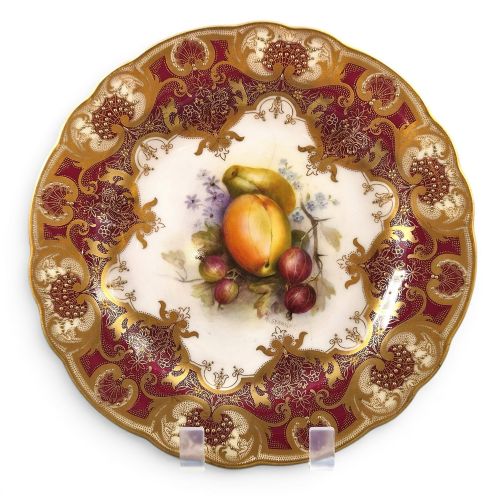
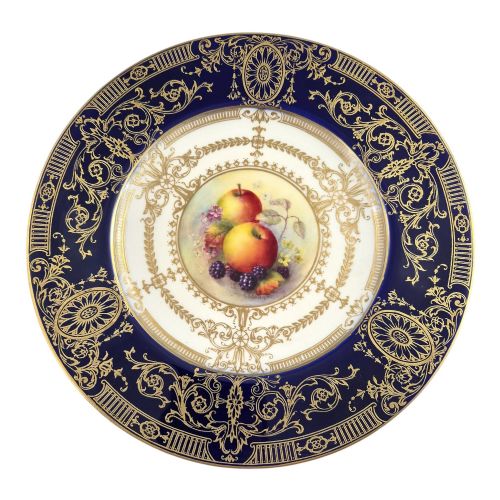
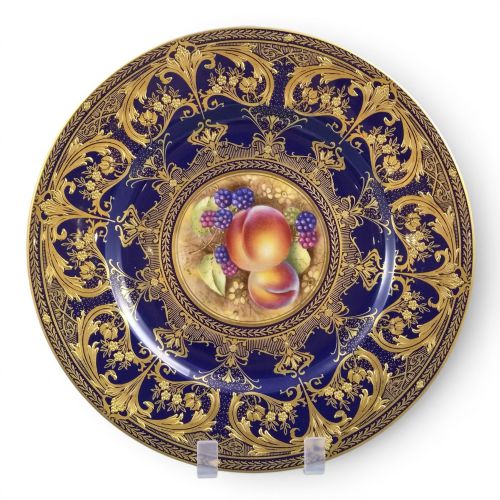
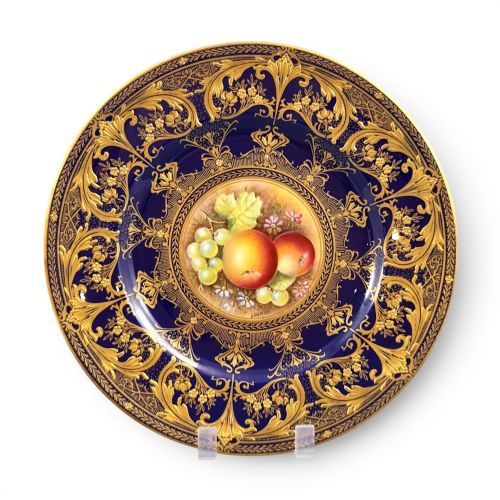
An antique porcelain fruit display spans everything from individual cabinet plates and dessert services to large bowls designed for holding fruit. You will frequently encounter Royal Worcester painted fruit plates alongside Japanese Imari bowls and Chinese Famille Rose pieces.
The selection ranges across the nineteenth and twentieth centuries, taking in Edwardian services, Art Deco designs, and Meiji period ceramics. Makers such as Royal Worcester dominate the British examples, often featuring signed botanical studies.
How they were made
These items utilise fine porcelain, bone china, and earthenware bodies shaped into plates, bowls, and comports. Kiln firing sets the initial form before skilled decorators apply enamel colours and hand-painting.
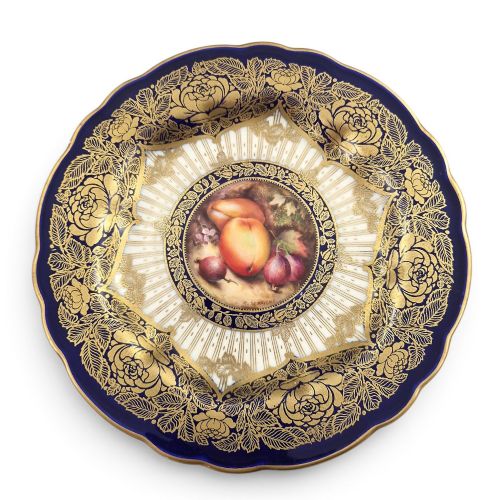
Many pieces incorporate rich gilding, gold leaf, and glossy glazes to accentuate the rims and central motifs. Hand-brushing remains evident in the detailed fruit and floral subjects found across British and continental workshops.
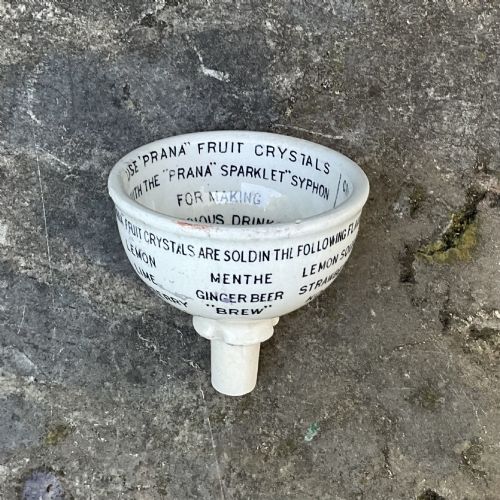
Even advertising funnels made an appearance among the fruit crystals.
What varies in quality
Quality rests primarily on the skill of the hand-painting and the prominence of the artist involved. Signed cabinet plates by known painters carry distinct artistic execution that elevates them above standard factory output.
The crispness of the gilding and the complexity of the transfer or enamel work also separate standard tablewares from exhibition-grade cabinet pieces.
Royal Worcester·Royal Crown Derby·Royal Doulton·Wedgwood·Samson Of Paris·Kornilov Brothers
The Antique Porcelain Fruit Display Glossary
- Cabinet plate
- A decorative plate intended for display in a cabinet rather than for serving food. These often feature elaborate hand-painted scenes.
- Comport
- A raised dish or bowl used for presenting fruit as part of a dessert service. It stands on a central foot to create height on the table.
- Imari
- A style of Japanese porcelain decorated in underglaze blue, iron red, and gold. It was widely exported and copied in Europe.
- Gilding
- The application of gold leaf or powdered gold to ceramics. It highlights rims, handles, and borders.
- Famille rose
- A palette of Chinese porcelain enamels dominated by opaque pink. The style emerged in the Qing dynasty.
Antique Porcelain Fruit Display: Frequently Asked Questions
How were dessert services used?
A dessert service provided matching plates, comports, and bowls for the final course of a formal meal. Hostess presentation focused on arrangement of fresh fruit alongside sweet dishes.
Individual cabinet plates were often displayed upright on stands rather than utilised at the dining table.
Who painted Royal Worcester fruit?
Renowned porcelain painters including Richard Sebright, Albert Shuck, and Thomas Steele decorated these ceramics by hand. Their detailed botanical studies made signed cabinet plates highly collectable.
Later artists such as Brian Leaman continued this studio tradition into the twentieth century.
What is an Imari bowl?
Imari bowls originate from Japan, specifically the Meiji period and earlier, featuring distinctive iron red, cobalt blue, and gilt detailing. European makers frequently copied these striking colour schemes.
They serve as decorative centrepieces due to their vibrant geometric and floral patterns.
How do I care for antique porcelain?
Wash painted and gilded pieces gently by hand using mild soap and warm water. Avoid soaking items with gold leaf or delicate enamel decorations.
Display them away from direct sunlight to preserve the richness of the hand-applied pigments.