

Antique Porcelain Fruit Dish
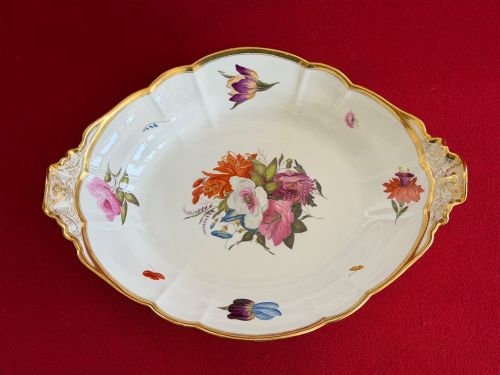
An antique porcelain fruit dish serves up centuries of craftsmanship, combining delicate painted details and gleaming gilding for the dining table.
Antique Porcelain Fruit Dish
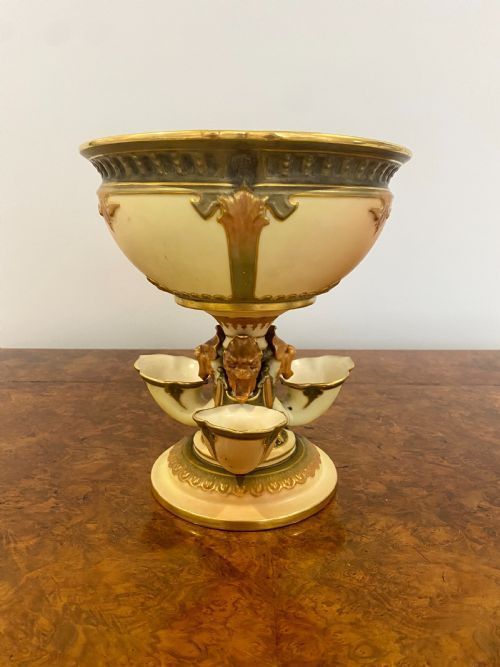
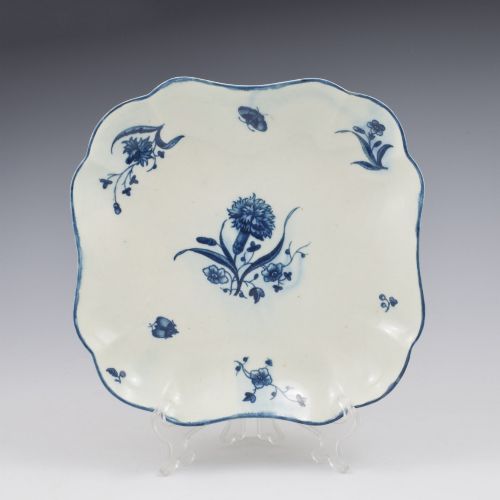
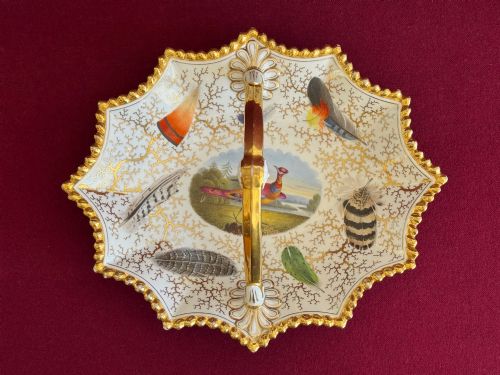
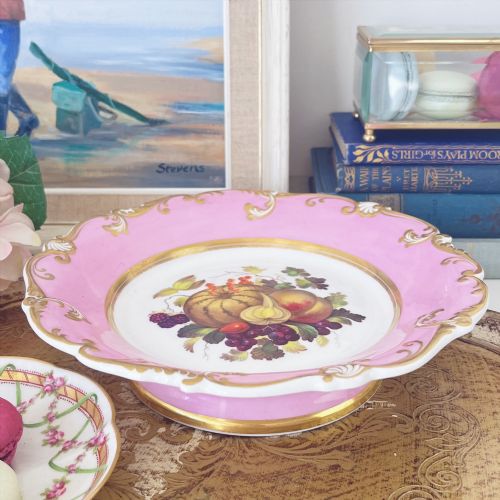
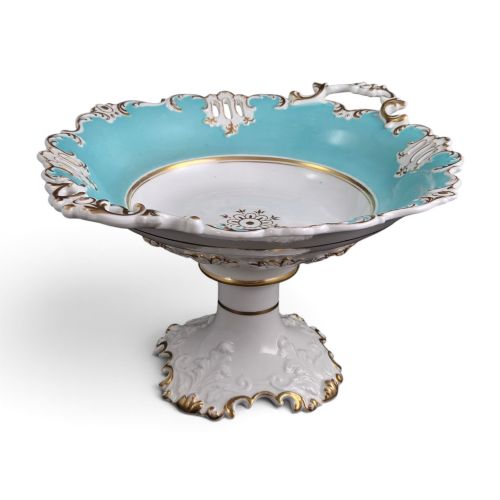
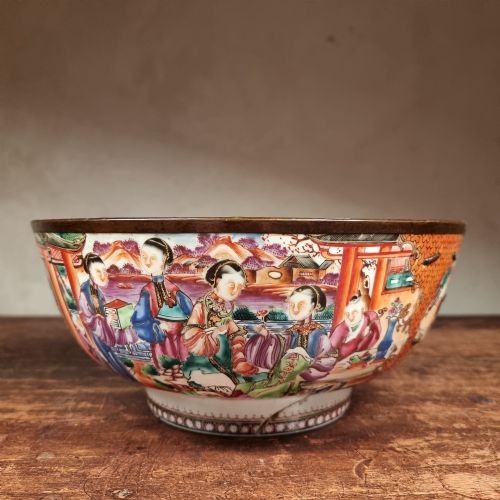
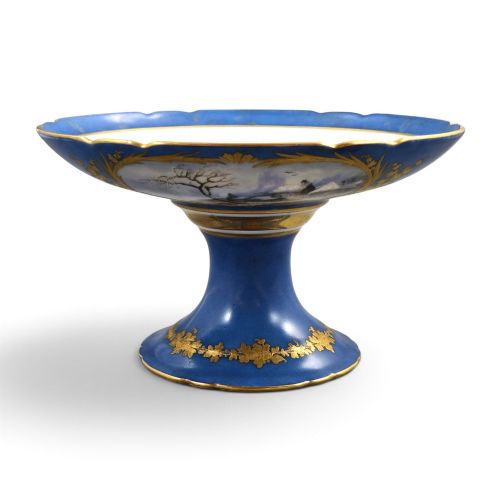
An antique porcelain fruit dish encompasses a wide variety of serving vessels, ranging from footed comports and tazzas to decorative baskets and cabinet plates. These pieces emerge from diverse traditions, including 18th-century Chinese export porcelain, First Period Worcester, and Victorian bone china factories.
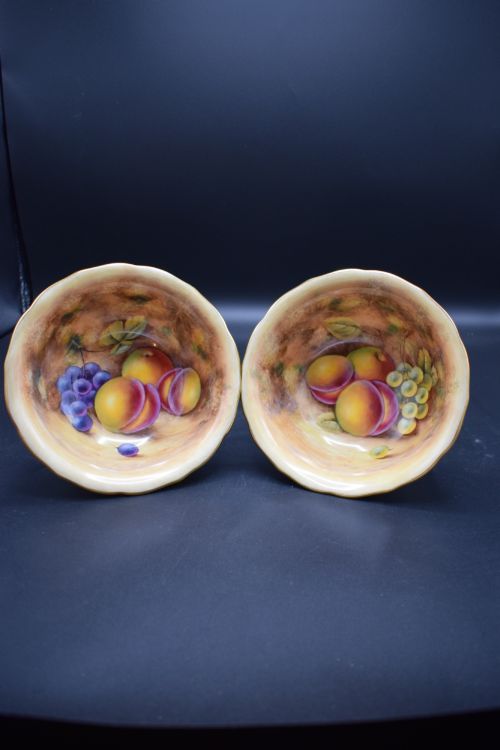
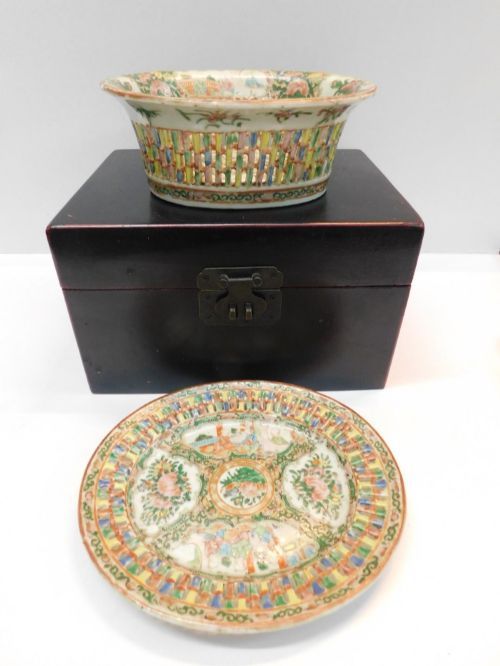
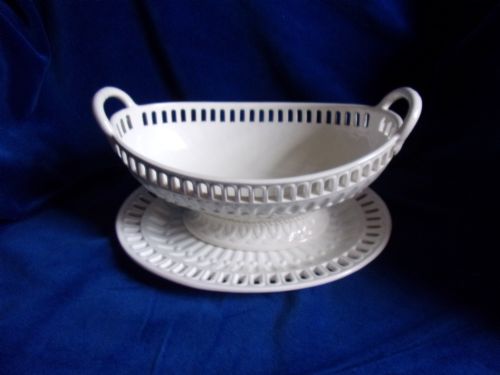
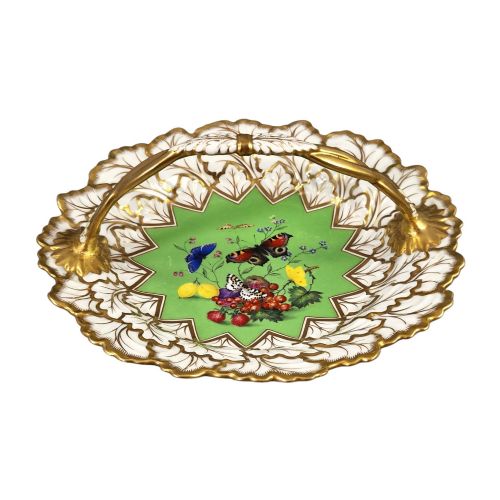
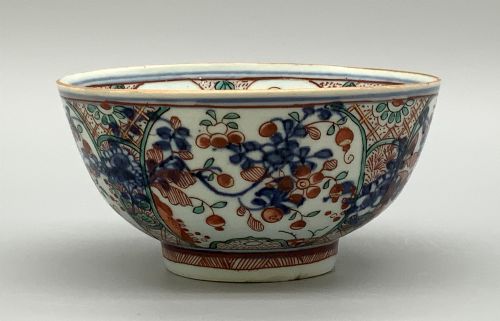
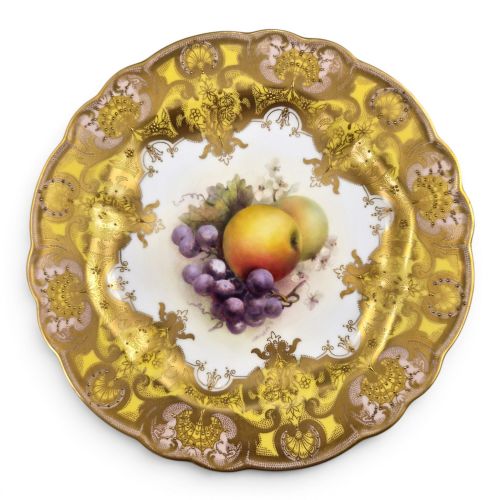
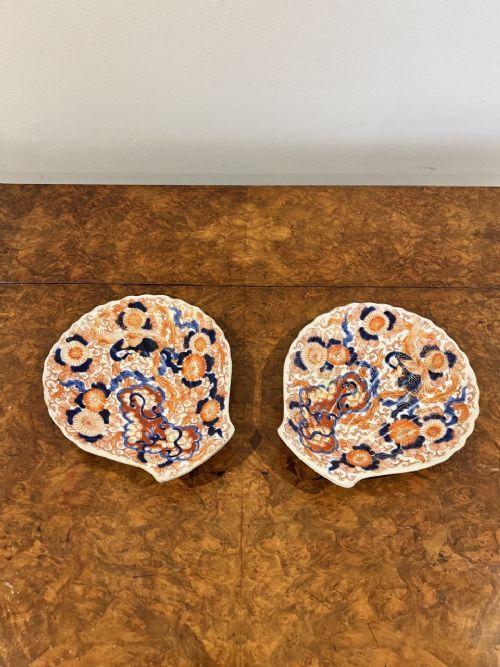
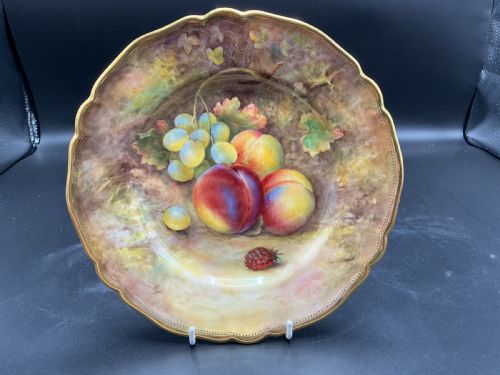
Buyers frequently encounter English and Japanese pieces on this page, particularly Japanese Imari bowls alongside Royal Worcester cabinet plates painted with fruit. Forms vary from reticulated chestnut baskets to scallop-edge plates designed to hold seasonal fruit on formal tables.
Materials and Technique
Pieces are formed from ceramic, bone china, or porcelain, often enhanced with enamel colours, glaze, and gold leaf or gilding. Potters shape bowls, comports, and baskets before applying hand-painted motifs or transfer printing.
Makers utilise specialist techniques such as reticulation for openwork chestnut baskets and intricate underglaze blue or overglaze enamel painting. Gold leaf and heavy gilding are frequently applied to borders and handles to highlight the contours of tazzas and cabinet plates.
Antique Porcelain Fruit Dish Retail Price Guide 2026
Typical asking prices for porcelain fruit dish among the pieces listed under this phrase on Sellingantiques today, from the lower quarter to the upper quarter. They describe what is for sale here now, not the wider market.
Cherubs occasionally peek out from gilt bronze mounts, making even a simple fruit display feel like an audience with the gods.
Judging Quality
Quality rests upon the crispness of the moulding and the precision of the hand-painted decoration, such as detailed fruit studies or intricate Imari patterns. Pieces featuring signed work by established painters or delicate openwork reticulation stand apart from standard production items.
The application of glaze and the richness of the gilding further distinguish the range, alongside the historical significance of the porcelain body, whether early Worcester or Meissen.
Royal Worcester·Flight Barr And Barr·H And R Daniel·Royal Doulton·Wedgwood
The Antique Porcelain Fruit Dish Glossary
- Tazza
- A shallow ornamental bowl on a pedestal foot, used for serving fruit or sweetmeats. These elevated pieces add height and formal balance to a table setting.
- Comport
- A large standing dish or bowl used for fruit and desserts. They often feature footed bases or pedestal supports.
- Reticulated
- Having an openwork pattern resembling a net or lattice. This decorative technique is frequently found on chestnut baskets and dessert stands.
- Imari
- A style of Japanese porcelain decorated in underglaze blue, iron red, and gold. This distinct aesthetic was widely imitated by European factories.
- Cabinet plate
- A decorative plate intended for display in a cabinet rather than for daily dining use. These items often showcase elaborate hand-painted scenes.
Antique Porcelain Fruit Dish: Frequently Asked Questions
What is a tazza used for?
A tazza is a footed dish traditionally used for serving fruit, nuts, or sweet confections during formal meals.
Its elevated pedestal design allows the dish to serve as a centrepiece, presenting food with visual prominence on the dining table.
How do I identify First Period Worcester?
First Period Worcester pieces usually feature fine porcelain bodies with characteristic underglaze blue painting, pine cone patterns, or square fret marks.
Examining the glaze under a light often reveals small imperfections typical of 18th-century firing techniques.
Can I use antique porcelain for food?
While these dishes were originally created for dining, modern use requires caution due to the delicate nature of 18th and 19th-century glazes.
Hand washing is essential to preserve fragile enamel colours and delicate gold leaf decorations from fading.
What is Japanese Imari porcelain?
Japanese Imari porcelain is characterised by a distinct palette of underglaze blue, iron red, and supplementary gold leaf.
Produced primarily for export, these pieces feature complex floral and geometric motifs that influenced European ceramic design.