
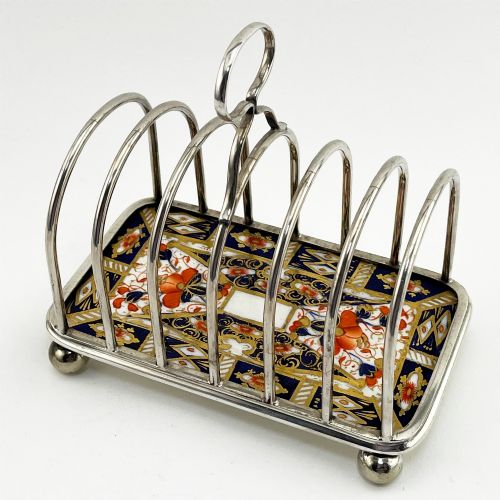
Antique Porcelain China Plate
These pieces of antique porcelain china plate bring centuries of handpainted artistry and dining history straight to the table.
Antique Porcelain China Plate
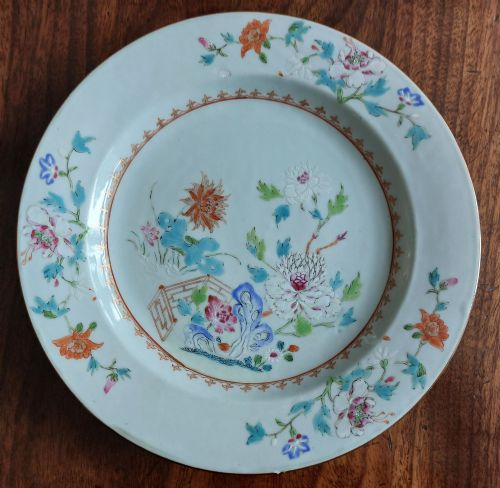
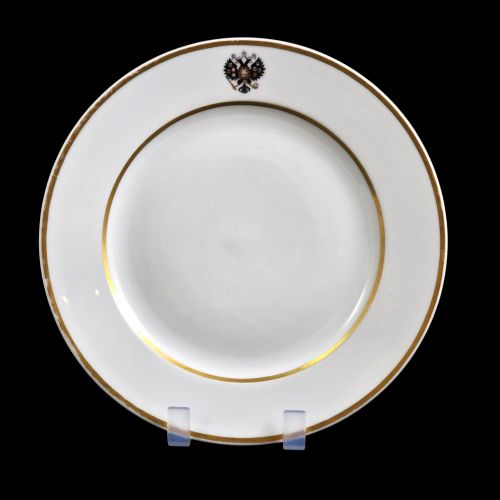
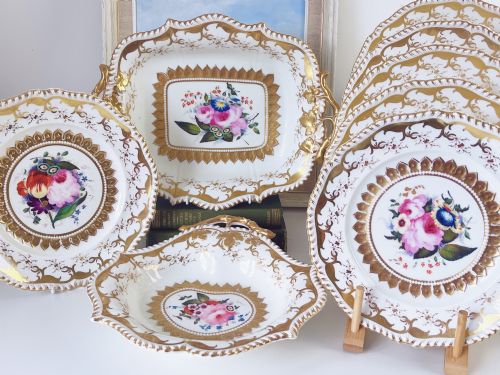
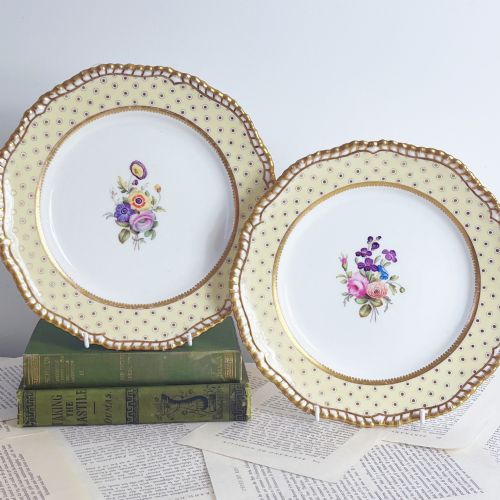
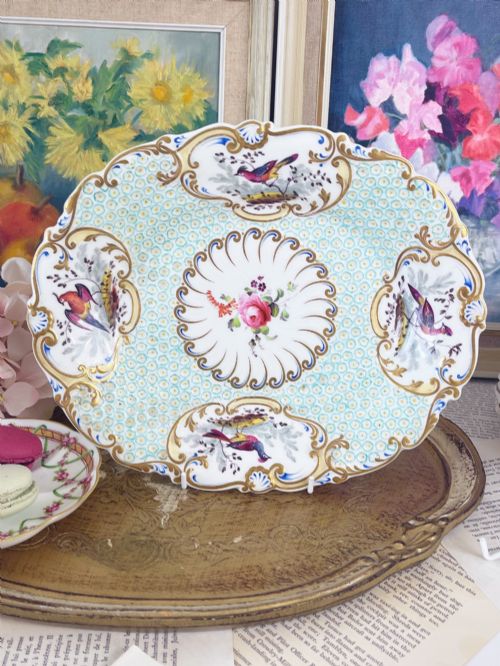
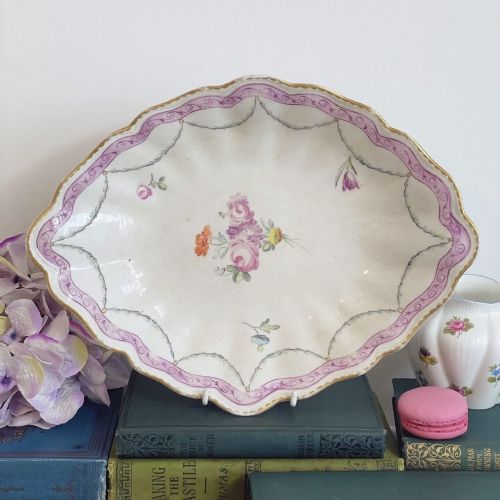
An antique porcelain china plate encompasses everything from 18th-century Derby serving dishes to Edwardian Royal Worcester fruit plates. The forms vary from straightforward cabinet pieces to octagonal dessert plates and blue and white chargers.
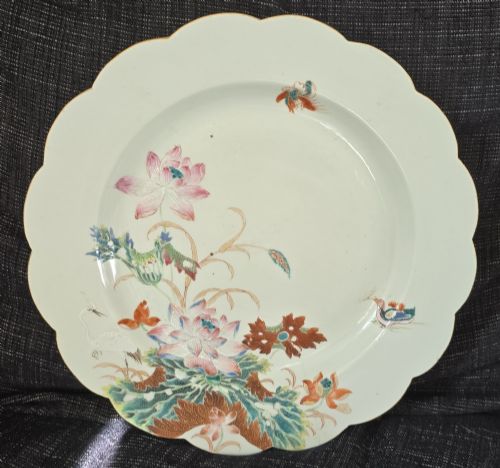
Most examples hail from English factories like Spode, Minton, and Royal Crown Derby, alongside select Chinese export and French pieces. The selection ranges from functional dessert service components to dedicated display plates.
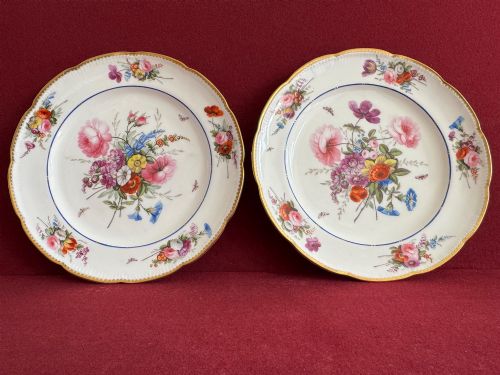
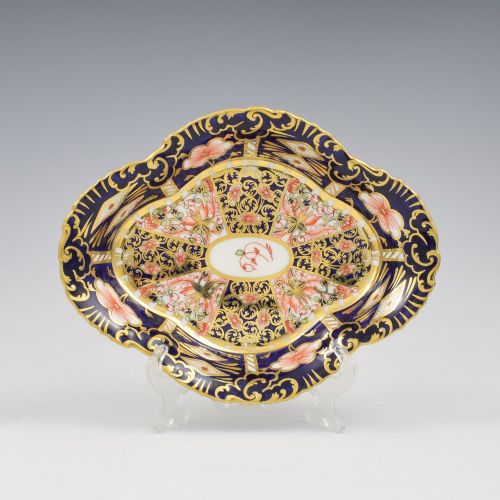
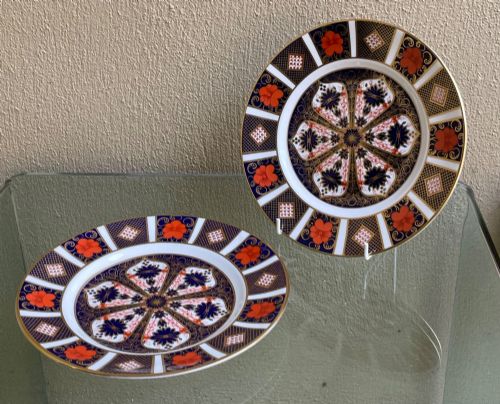
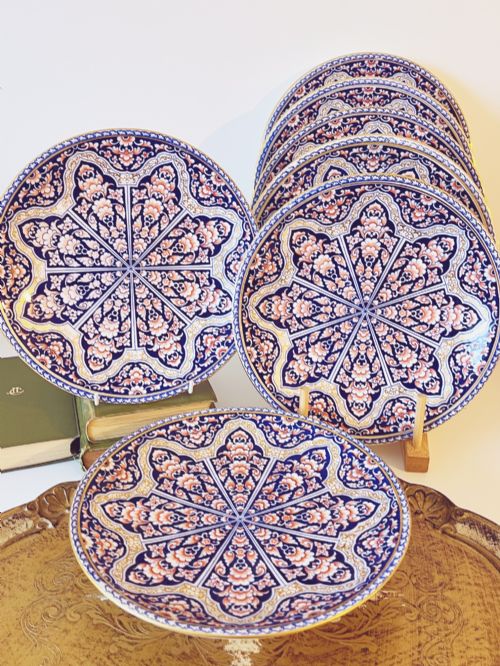
Buyers encounter diverse styles spanning Georgian floral transfer patterns, Regency Imari palettes, and elaborate Victorian handpainted fruit scenes. Each specimen records the distinct aesthetic ambitions of its period.
Materials and manufacture
Potters utilised fine porcelain, bone china, stone china, and earthenware bodies shaped into plates, dishes, and chargers. These bases received intricate glazes before undergoing high-temperature kiln firings.
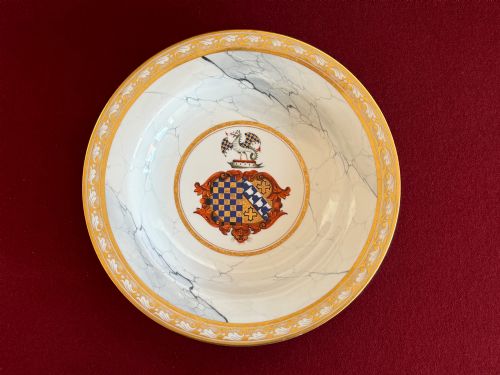
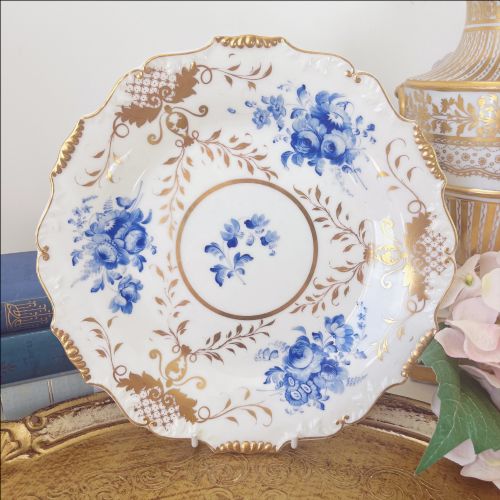
Decoration relied heavily on handpainted enamels, polychrome pigments, and blue and white transfer printing. Artisans frequently applied gold leaf and gilding to highlight borders and motifs.
The listings feature porcelain and bone china from the eighteenth, nineteenth, and twentieth centuries, including works by Royal Worcester.
Distinctions in quality
The refinement of the ceramic body and the precision of the glaze separate standard production from superior work. Early porcelain demonstrates particular delicacy in its translucency and weight.
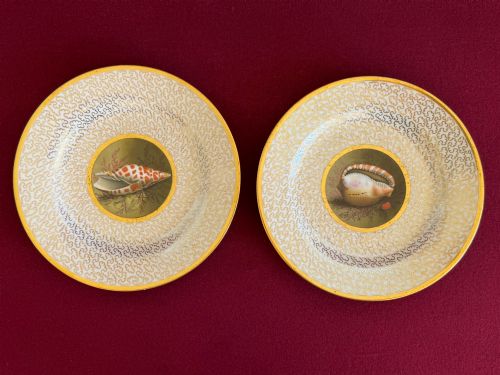
Artistic execution dictates the upper tier of the range, seen in signed handpainted fruit studies by artists like Richard Sebright or Albert Shuck. Crisp detail in transfer printing and careful application of gold leaf further elevate individual pieces.
Grainger Lee And Co·Royal Crown Derby·Spode Felspar·H And R Daniel·Wedgwood·Royal Worcester·Chamberlains Worcester·Minton·Royal Doulton·John Davenport
The Antique Porcelain China Plate Glossary
- Cabinet plate
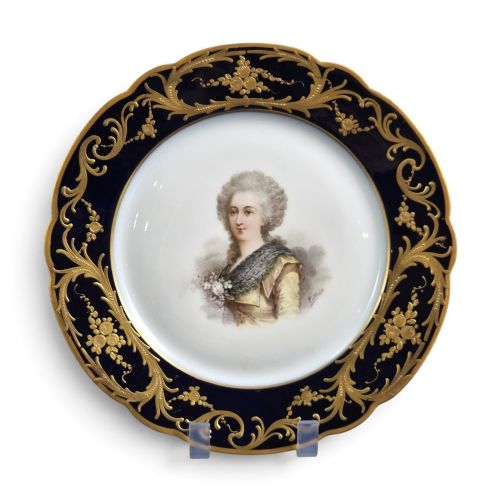
- A decorative plate intended solely for display in a cabinet rather than for dining use. These often feature elaborate handpainted scenes.
- Imari palette
- A decorative colour scheme employing underglaze blue, iron red, and gilt, inspired by Japanese porcelain imports. This style gained immense popularity in Georgian and Regency England.
- Bone china
- A type of soft-paste porcelain incorporating animal bone ash for added strength and whiteness. English factories developed and refined this material extensively.
- Transfer printing
- A mechanical method of applying complex designs to ceramic ware from an engraved copper plate using tissue paper. This technique revolutionised pottery production in the Georgian era.
- Chantilly sprigs
- A delicate pattern of small floral sprays painted or printed onto porcelain surfaces. The motif originates from French porcelain traditions.
Antique Porcelain China Plate: Frequently Asked Questions
How were dessert plates used?
Dessert plates served the final course of formal meals, holding fruit, sweetmeats, or small pastries.
They often formed part of larger matching services that included comports and serving dishes for the table.
Can I use antique plates for dining?
Most antique porcelain china plates survive in delicate condition and suit display better than daily dining.
Over time, heavy modern cutlery can scratch fragile glazes and wear away antique gilding.
How do I identify the period?
Makers' marks stamped, painted, or impressed on the reverse provide the most reliable guide to a piece's date.
Stylistic shifts, such as the transition from Georgian transfer print to Victorian handpainted fruit, also indicate the era.
What is a cabinet plate?
A cabinet plate is a decorative ceramic piece meant for display inside a glass-fronted cabinet.
These pieces prioritise artistic painted decoration over practical utility.