


Antique Porcelain Bedside Lights
These antique porcelain bedside lights bring muted glow and hand-painted glaze to a bedroom, turning old vases and figures into steady lamps.
Antique Porcelain Bedside Lights
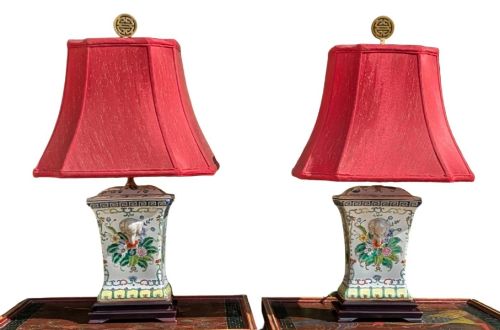
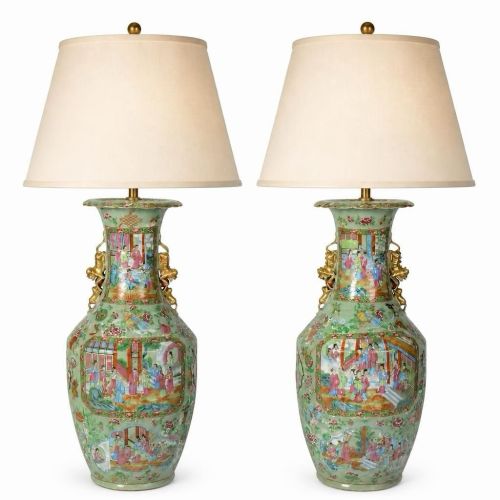
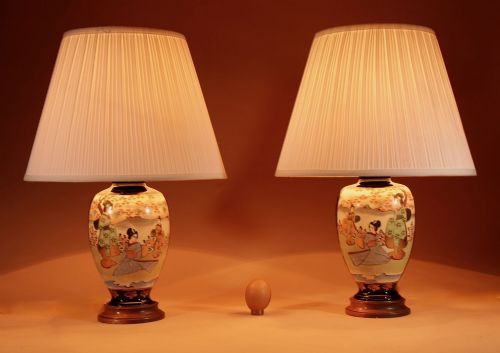
When you search for antique porcelain bedside lights, you encounter table lamps converted from ginger jars, vases, and figurines dating from the nineteenth century into the early twentieth century. The selections here lean heavily toward pairs and single pieces originating from French makers, German factories, and Chinese export kilns.
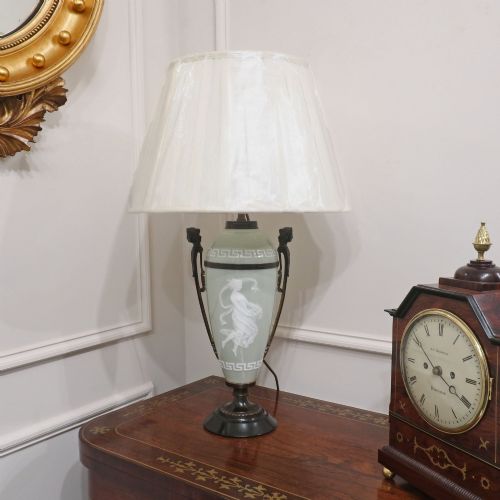
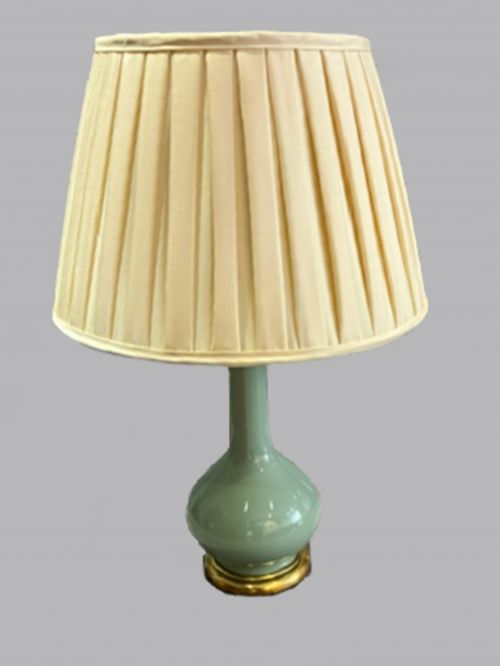
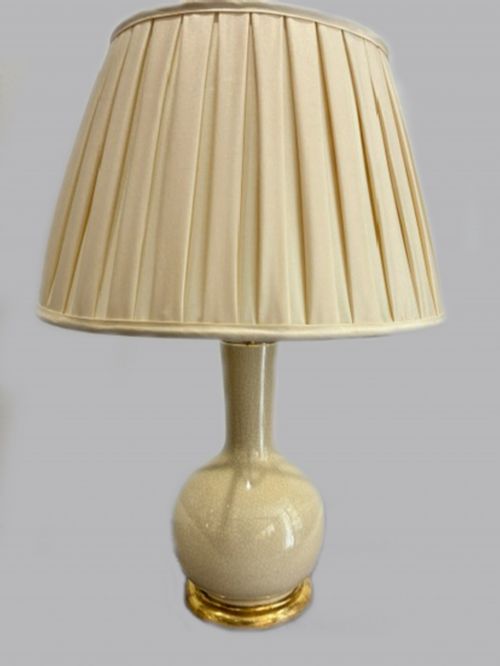
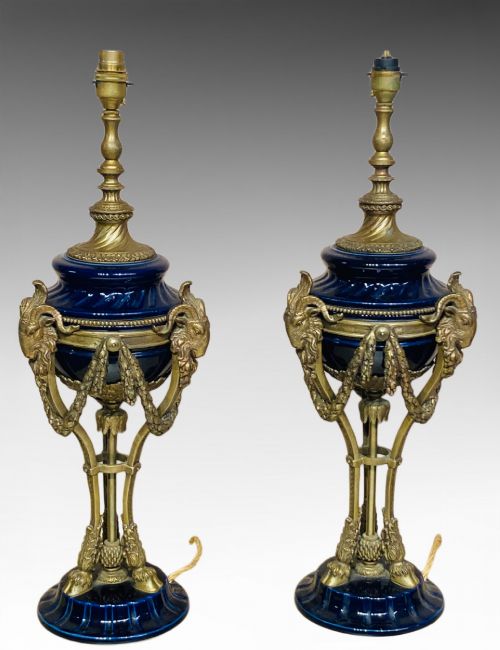
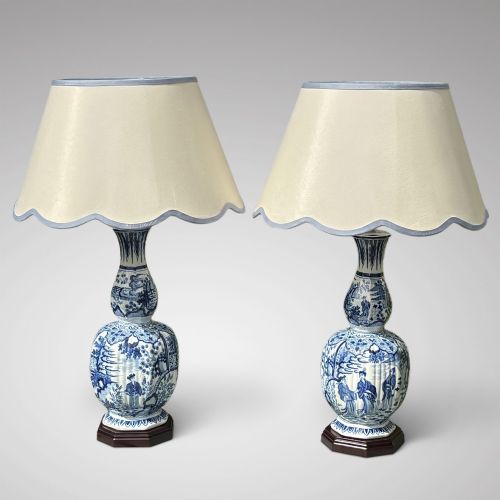
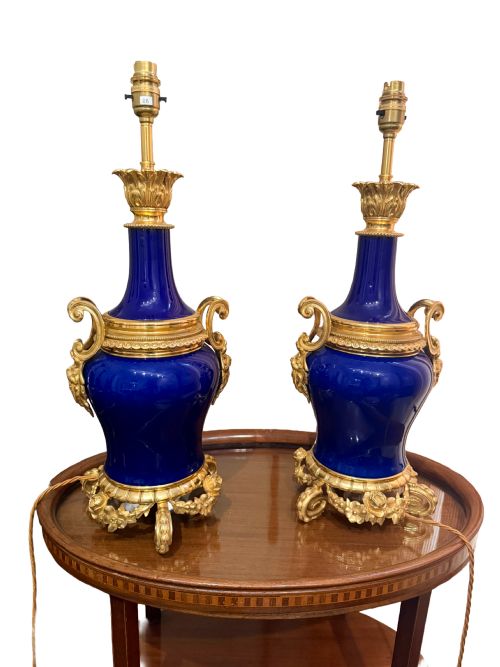
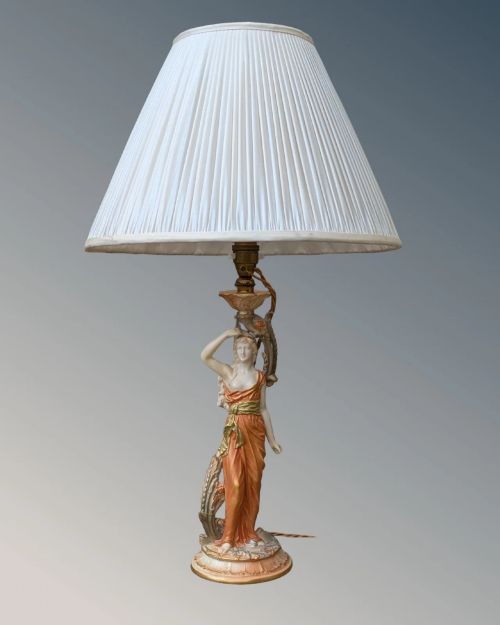
Forms span from slender celadon bodies and blue-and-white ginger jars to elaborate figural groups and gilt-trimmed urns mounted for electrical illumination. Many retain their original proportions while adapting older ceramic vessels for practical domestic use beside a bed.
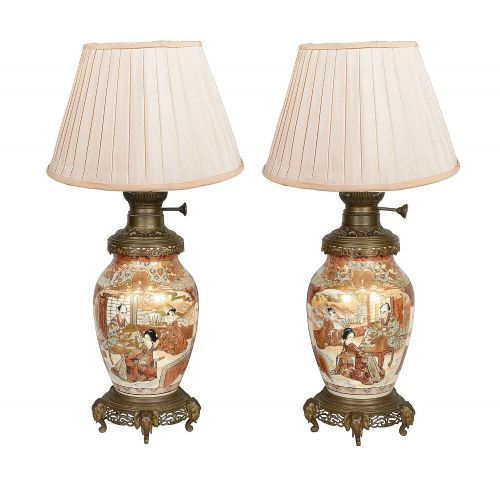
The styles cover a wide geographical spread, taking in Japanese Satsuma and Kutani wares alongside European interpretations of French Neoclassical, Rococo Revival, and Chinoiserie aesthetics. Buyers find both matching pairs for balanced bedside tables and characterful single lamps with distinct hand-painted detail.
Materials and construction
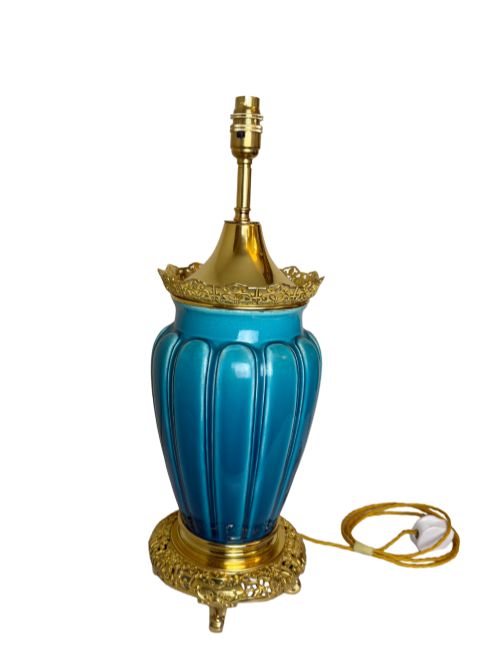
The bodies of these lamps rely on hard-paste or soft-paste porcelain, often finished with cobalt blue underglaze, enamel palettes, or pate-sur-pate relief work. Makers combined these ceramic foundations with cast metal mounts, utilising brass, gilt bronze, and ormolu to collar the rims and anchor the bases.
Mounting a ceramic vessel into a bedside light involved securing fitted metal hardware without damaging the historical glaze or body. Many examples integrate fabric or silk shades atop toleware or brass structures, complementing the glossy ceramic surface with softer textures.
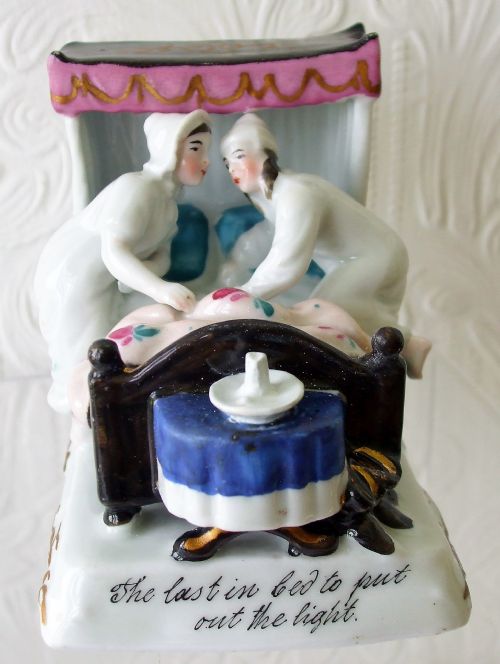
German fairings offer charming domestic glimpses, including ceramic figures capturing the last person in bed to put out the light.
Factors of quality
Quality rests primarily on the crispness of the ceramic moulding and the refinement of the hand-painted decoration, where practiced brushwork elevates a simple floral or figural scene. Superior pieces show precise control in cobalt underglazes or rich enamel layering without muddy pooling.
The integration of the metal mounts also dictates standard; top-tier examples feature well-cast ormolu or gilt bronze that fits the contours of the porcelain snugly. The harmony between the ceramic body and its supporting hardware separates standard workshop conversions from finer decorative objects.
Ernst Bohne and Sohn·Royal Worcester·Sitzendorf·Gien
The Antique Porcelain Bedside Lights Glossary
- Ormolu
- Gilded bronze mounts applied to the rims and bases of porcelain vessels. This technique adds structural support and decorative polish to nineteenth-century lamps.
- Pate-sur-pate
- An engraving and painting method where wet porcelain slip is built up in successive layers to create a low relief cameo effect. It appears frequently on finer French neoclassical pieces.
- Celadon
- A pale green or grey-green translucent glaze developed in East Asia and imitated by European factories. The soft hue diffuses bedside light effectively.
- Ginger jar
- A wide-shouldered ceramic storage vessel with a domed lid, commonly converted into a sturdy table lamp. These jars often display blue-and-white or famille verte patterns.
- Blanc de Chine
- A white porcelain produced in Dehua, China, valued for its creamy glaze and smooth finish. Figures such as Shi Lions or Dogs of Fo frequently utilise this material.
Antique Porcelain Bedside Lights: Frequently Asked Questions
How do I choose matching bedside lamps?
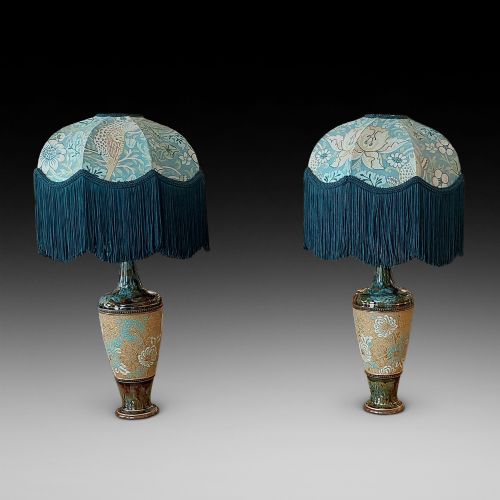
Look for paired vases or jars sharing identical glaze colours, motifs, and approximate heights to maintain symmetry across twin bedside tables. Consistency in the metal mounts, whether ormolu or brass, also helps unify the pair.
Single lamps work well if your bedroom design relies on eclectic balance rather than exact symmetry. In that case, match the scale of the lamp to your bedside surface rather than seeking a twin.
Are these lamps safe for modern use?
Most antique lamps have been adapted for modern electrical standards during their lifetime, often utilising fitted wiring placed through existing holes in the ceramic or mounted securely without drilling.
It remains wise to have a qualified electrician inspect older wiring and brass fittings before placing the lamp into daily service in a bedroom.
How do I clean antique porcelain lamps?
Dust the porcelain body gently with a dry, soft cloth to prevent grime buildup in the crevices of hand-painted or glazed surfaces. Avoid harsh chemical cleaners that might damage delicate gilt highlights or enamel work.
Metal mounts like ormolu or brass require minimal attention beyond light dusting, as cleaning agents can strip the aged patina that accumulates over the decades.