



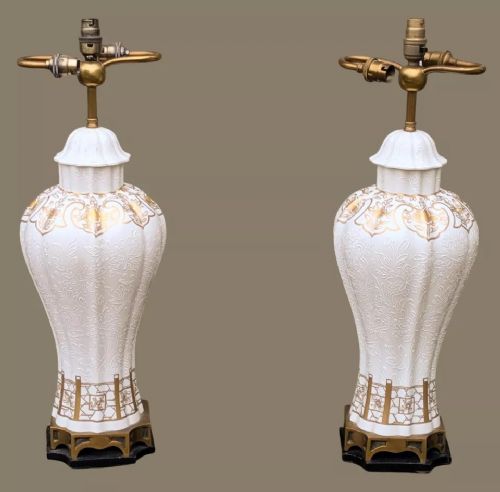


Decorative Ceramic Bedside Lamps
These decorative ceramic bedside lamps bring hand-painted porcelain and earthenware forms into the bedroom, offering soft illumination paired with historical character.

Decorative Ceramic Bedside Lamps
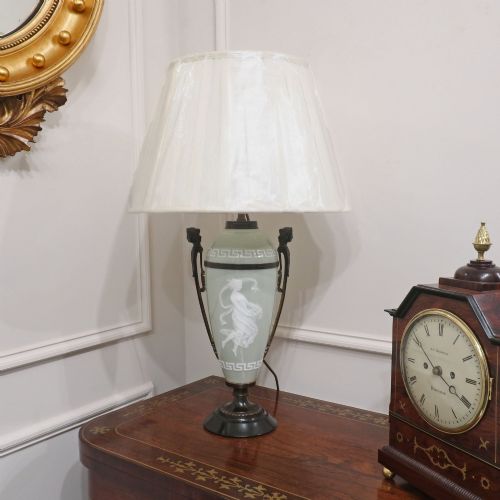
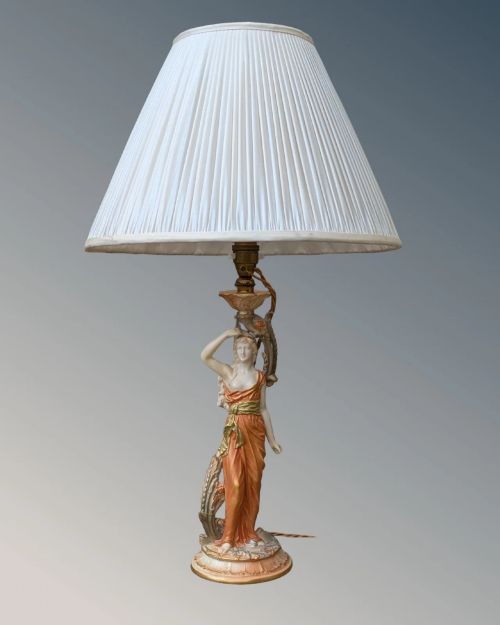
When you search for decorative ceramic bedside lamps, you encounter table lamps adapted from nineteenth-century vases, alongside pieces produced directly during the early twentieth century. The selection spans periods from the late nineteenth century through to the art deco era, incorporating earthenware and porcelain bodies.
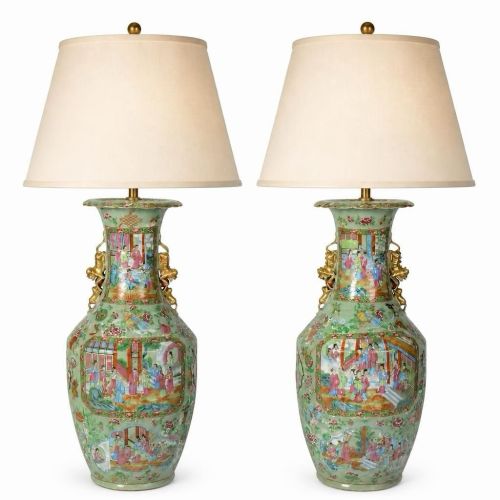
The forms frequently originate from Asian and European ceramic traditions, including Japanese Satsuma, Chinese Famille Rose, and French Paris ware. Makers often converted antique vases into lamps, pairing ceramic bodies with fabric shades, brass, bronze, and wooden bases.
You are most likely to meet pairs of decorative ceramic bedside lamps featuring Chinoiserie, Meiji period, or neoclassical styling. These pieces serve as functional bedroom lighting while retaining the ornamental detail of their original ceramic forms.
How they were made
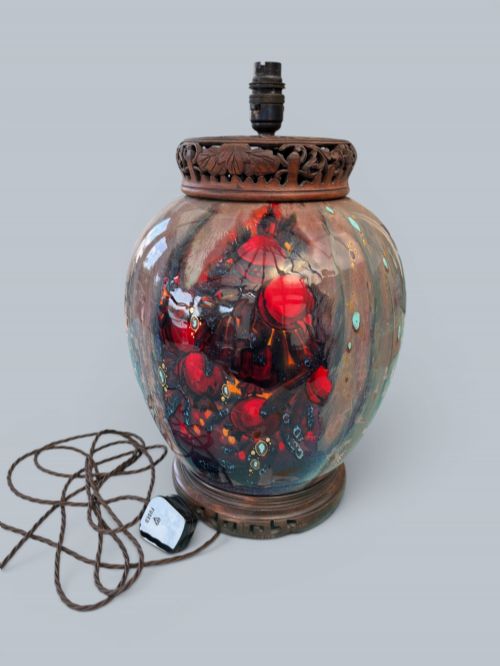
The bodies of these lamps utilise porcelain and earthenware, often shaped as vases before later conversion into lighting. Artisans applied hand-painted glazes, including enamel work, pate sur pate, and blue and white designs.
Mounts and fittings incorporate brass, bronze, and wood to support the ceramic bodies and electrical components. Fabric shades complete the construction, sitting atop the structured metal and ceramic stems.
Listings feature materials including porcelain, earthenware, fabric, brass, wood, bronze, and enamel across the nineteenth and early twentieth centuries.
What varies in quality
Quality depends upon the fineness of the hand-painted ceramic decoration and the integrity of the porcelain body. Pieces featuring intricate enamel work or pate sur pate techniques display superior artistry compared to standard production.
The success of the conversion from vase to lamp affects the overall balance and proportion of the piece. Well-integrated brass and bronze mounts ensure stability and highlight the craftsmanship of the original ceramic vessel.
The Decorative Ceramic Bedside Lamps Glossary
- Pate sur pate
- A porcelain manufacturing technique where liquid clay is built up in layers to create a low relief cameo effect. This method requires considerable skill from the ceramic artist.
- Satsuma
- A type of Japanese earthenware featuring a crackle glaze and ornate polychrome and gilt decoration. These pieces were frequently exported to Europe and later adapted into lamps.
- Famille rose
- A palette of Chinese porcelain enamels dominated by opaque pink or rose colours, introduced in the eighteenth century. Later nineteenth-century pieces continued this vibrant tradition.
- Paris ware
- A term applied to porcelain produced by various independent workshops in nineteenth-century Paris. These factories created decorative items known for fine painting and classical styling.
- Chinoiserie
- A European artistic style reflecting Chinese motifs and techniques, popular in furniture, ceramics, and interior decoration. It reinterprets Asian aesthetics through a Western lens.
Decorative Ceramic Bedside Lamps: Frequently Asked Questions
Are these lamps converted from old vases?
Many of these pieces began life as nineteenth-century vases before being fitted with electrical components and lamp hardware at a later date. This practice preserves historical ceramic artistry within a functional lighting format.
Makers selected decorative vessels from traditions such as Rose Medallion and Satsuma, adapting them carefully to serve as bedroom illumination while retaining their original display value.
How do I identify a neoclassical style lamp?
Neoclassical lamps draw upon classical Greek and Roman motifs, featuring symmetrical forms, restrained ornamentation, and architectural symmetry. They often incorporate pate sur pate porcelain or Paris ware bodies.
The style prioritises balanced proportions and classical ornamentation, distinguishing it from the more asymmetrical patterns found in Chinoiserie or Meiji period pieces.
What maintenance do ceramic lamps require?
Ceramic bodies and fabric shades require gentle dusting with a soft, dry cloth to prevent the accumulation of particles. Avoid harsh chemical cleaners that might damage hand-painted enamel or gilt details.
Electrical fittings should be checked periodically by a qualified professional to ensure safety, particularly on lamps that incorporate older brass or bronze mounts.
Can I find matching pairs of lamps?
Several listings feature matched pairs of ceramic lamps, often created from identical nineteenth-century vase forms. These pairs provide balanced illumination for either side of a bed.
Matching sets typically share decorative themes such as Famille Verte or Japanese Satsuma, ensuring visual consistency across bedroom interiors.