

Antique Polish Silver
These pieces of antique polish silver bring tactile refinement to daily surroundings through enduring metals and thoughtful domestic forms.
Antique Polish Silver
When searching for antique polish silver, you encounter items shaped by domestic routines across the Georgian, Victorian, Edwardian, and Art Deco periods.
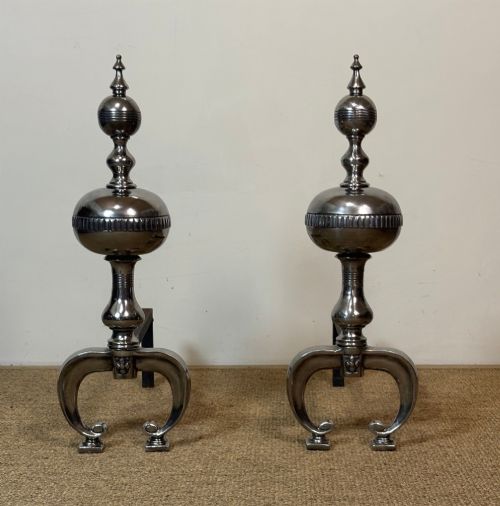
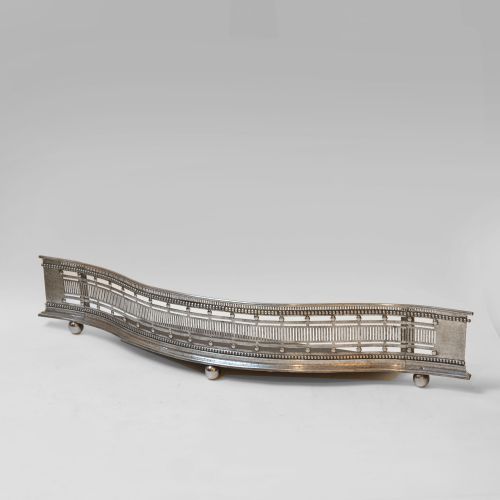
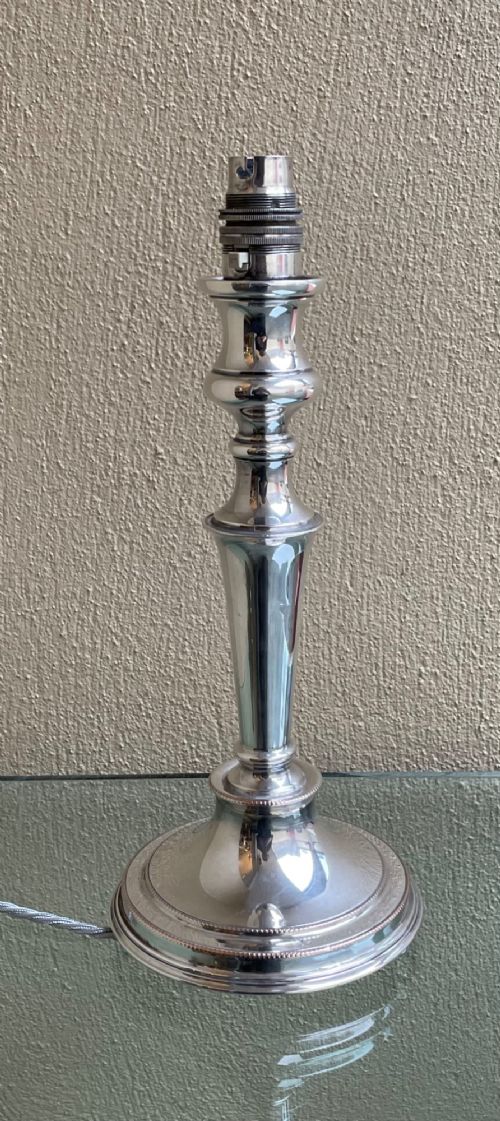
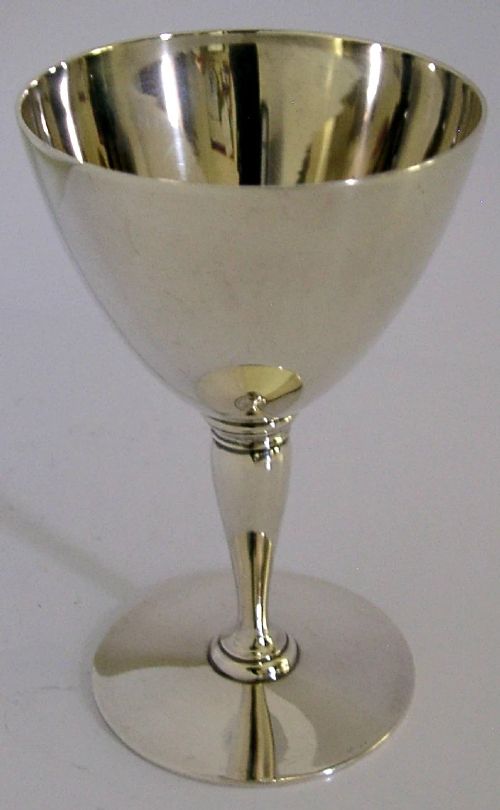
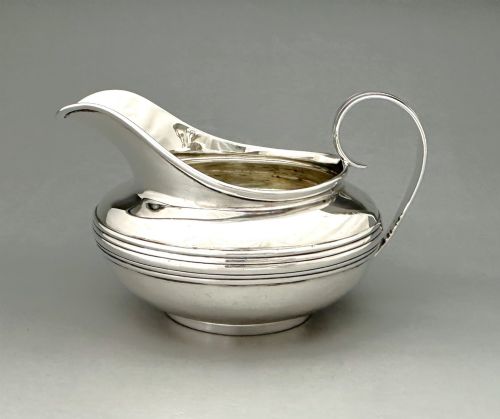
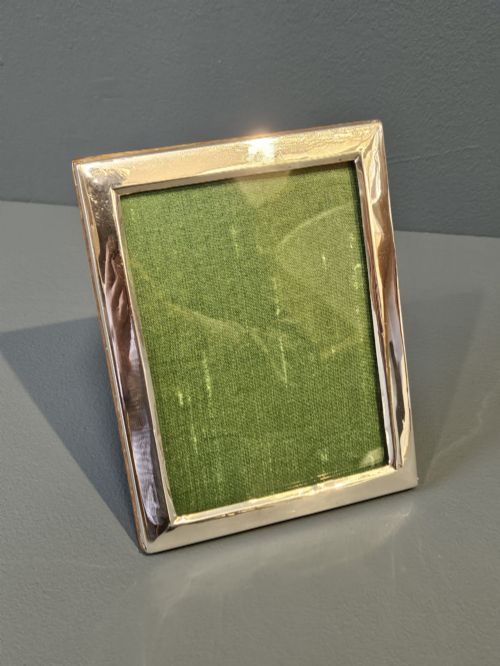
The selection ranges from functional table wares and tea caddies to photograph frames, inkwells, and candlesticks.
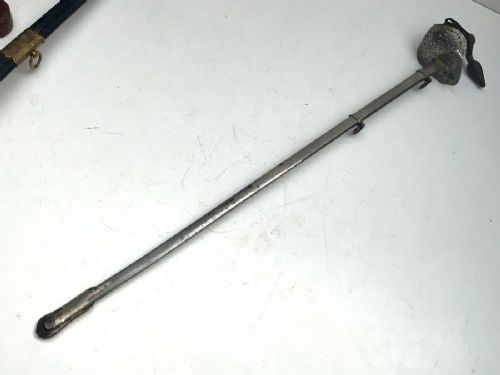
Sterling silver, silver plate, and polished steel dominate the offerings, often complemented by glass, wood, and brass.
Materials and Construction
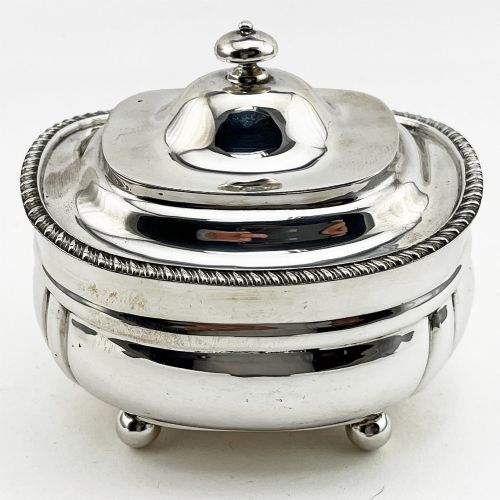
Smiths utilised solid sterling silver alongside silver plate, shaping metals through casting, hammering, and detailed engraving.
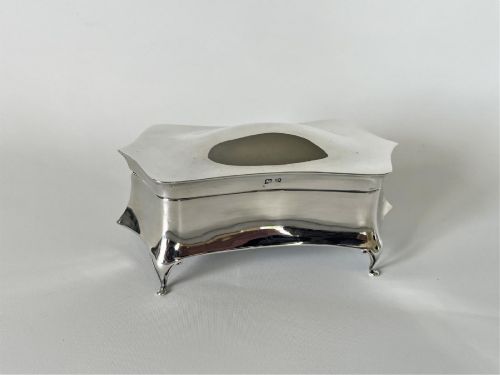
Secondary materials such as glass, wood, steel, and velvet integrate structurally into picture frames, inkwells, and boxes.
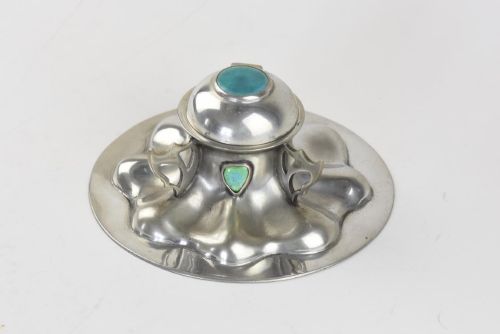
Decorative elements involve bright-cut engraving, floral designs, and applied Ruskin cabochons on pewter items.
Listings span from the 18th Century through Georgian, Victorian, Edwardian, and Art Deco periods, featuring sterling silver, silver plate, and polished steel.
Qualities That Distinguish Pieces
The refinement of execution separates standard domestic objects from exceptional workshop output.
Crispness in engraved borders and structural integrity in hinges and mounts demonstrate superior manufacturing standards.
TIFFANY & Co·William Hutton·George Cooper
The Antique Polish Silver Glossary
- Sterling silver
- An alloy containing a high proportion of pure silver combined with other metals for durability. This standard appears across many Georgian and twentieth-century items.
- Tea caddy
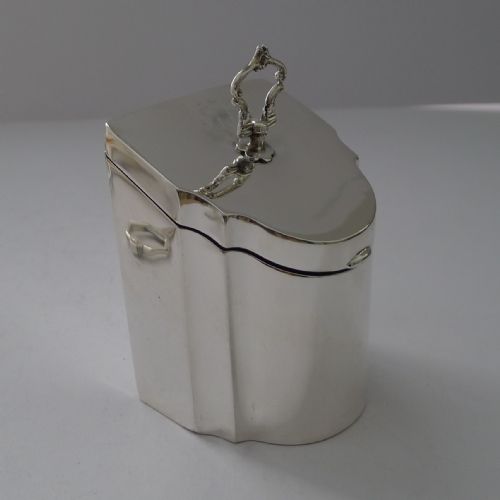
- A small box or container originally designed for storing loose tea leaves securely. Examples take various shapes, including knife box forms.
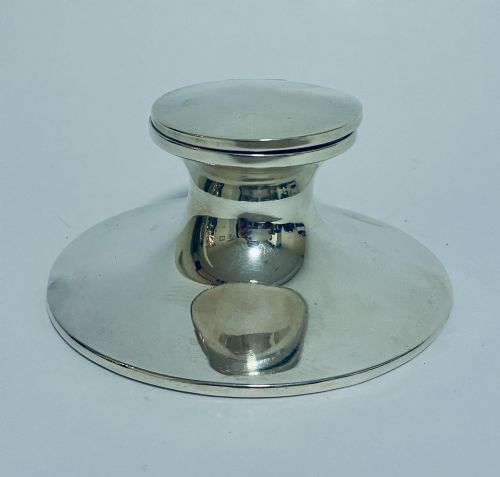
- Capstan inkwell
- A desk accessory shaped like the nautical device used for weighing anchor, featuring a wide base that tapers upward. This form provides stability on writing desks.
- Quaich
- A traditional two-handled drinking vessel of Scottish origin. These bowls serve ceremonial or domestic purposes.
Antique Polish Silver: Frequently Asked Questions
How do I identify a Georgian silver piece?
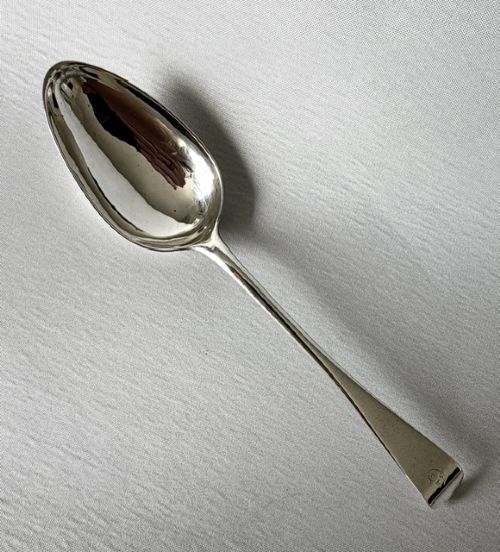
Georgian pieces display characteristic stylistic traits from the reigns spanning the eighteenth and early nineteenth centuries. Look for hand-worked details and traditional forms like marrow scoops or bright-cut teaspoons.
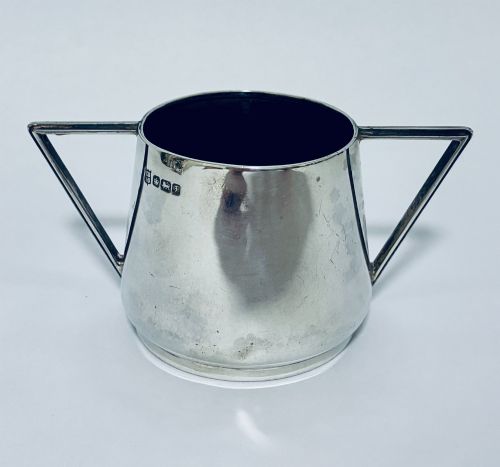
Maker marks and hallmarks stamped into the metal often provide specific geographic and chronological confirmation.
What are silver photo frames used for?
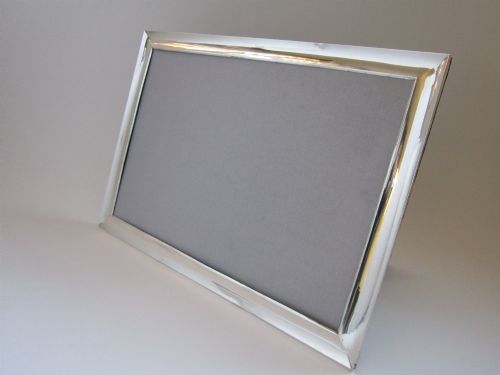
These decorative items hold portraits and photographs while adding metallic sheen to mantelpieces and tables. Many feature easel backs and polished borders.
Edwardian and George V examples frequently incorporate wooden or velvet backings to support the display.
How should I care for polished silver?
Maintain the surface by using appropriate cloths and polishes formulated for precious metals. Avoid abrasive substances that wear down fine engraving.
Regular, gentle upkeep preserves the reflective finish of sterling silver and silver-plated objects.
What distinguishes sterling silver from silver plate?
Sterling silver consists of solid precious metal throughout the object, adhering to specific compositional standards. Silver plate involves a thin layer of silver bonded to a base metal core.
Hallmarks on the piece generally clarify the distinction between solid and plated items.