

Antique Pocket Watch Fob
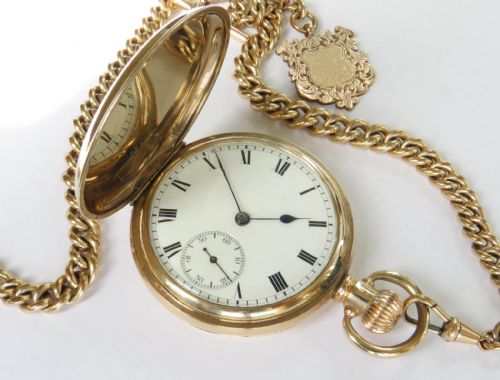
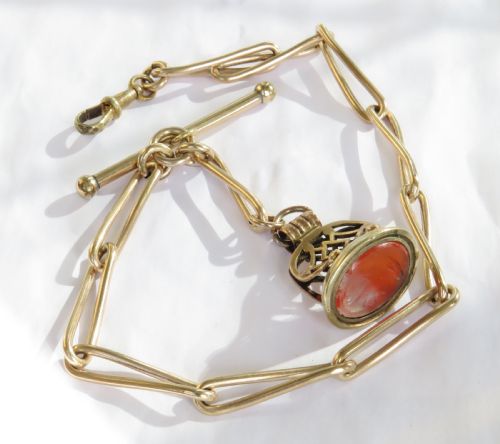
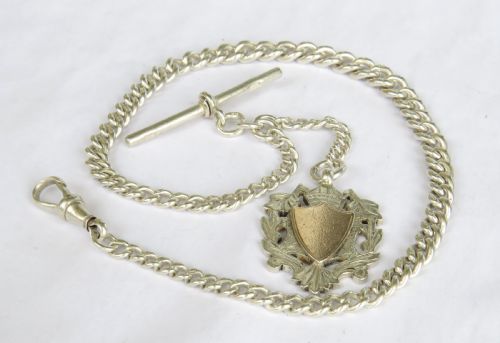
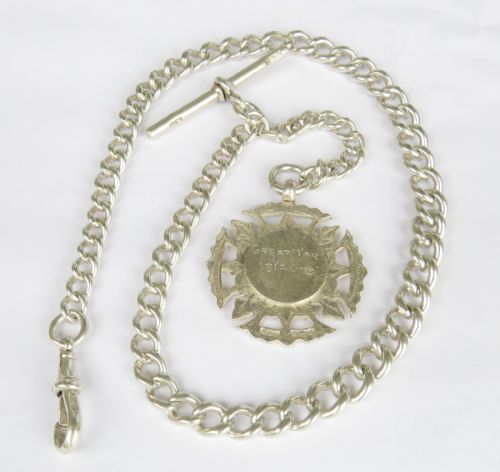
When you handle an antique pocket watch fob, you hold a miniature civic medal or sporting trophy designed to dangle from a gentleman's albert chain.
Antique Pocket Watch Fob
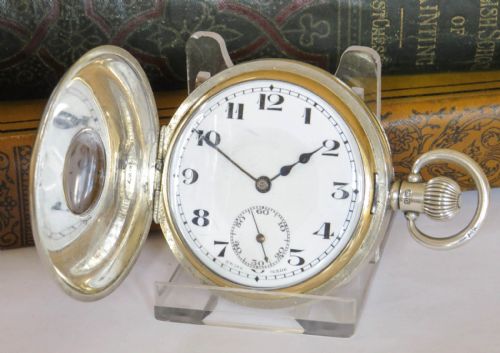
An antique pocket watch fob is a small decorative pendant or medallion attached to a watch chain, spanning periods from the Victorian era through the Edwardian years and into the 1920s and 1930s. These pieces include engraved silver shields, spinning seals, and commemorative medallions awarded for sports, bravery, or club memberships.
You will frequently meet silver examples bearing Birmingham hallmarks alongside gold plate, sterling silver, and nine-carat or eighteen-carat gold variations. Many survive alongside their original watch chains, sovereign cases, and albertina necklaces, forming complete sets that reflect early twentieth-century gentlemanly attire.
How they were made
Makers utilised durable metals including sterling silver, brass, steel, and gold plate, often shaping them into substantial shields or geometric frames that could endure daily wear on a waistcoat. Enamel and glass additions provided striking colour contrasts, while delicate hand-engraving personalized the surface with dates, initials, or club insignia.
Complex mechanical components appeared on rotating spinning fobs and hinged sovereign cases, requiring precise metalworking. Hallmarks stamped directly onto the silver elements recorded the assay office, standard of metal, and year of manufacture.
Antique Pocket Watch Fob Retail Price Guide 2026
Typical asking prices for pocket watch fob among the pieces listed under this phrase on Sellingantiques today, from the lower quarter to the upper quarter. They describe what is for sale here now, not the wider market.
Listings span from the 1880s through the Edwardian period into the 1930s, executed in silver, gold, and enamel.
What varies in quality
The distinction between ordinary and exceptional pieces rests upon the crispness of the hand-engraving and the depth of the metal gauge. Heavier silver shields and solid gold pieces command greater presence, whereas thinner plated examples show surface wear more readily.
Context also dictates desirability, as fobs tied to specific historical events, football clubs, cricket teams, or bravery awards carry richer narratives than generic blank shields. Complete assemblies featuring matching chains and crisp hallmarks represent the finer tier of surviving examples.
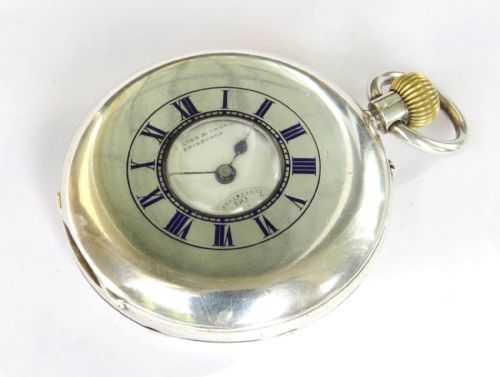
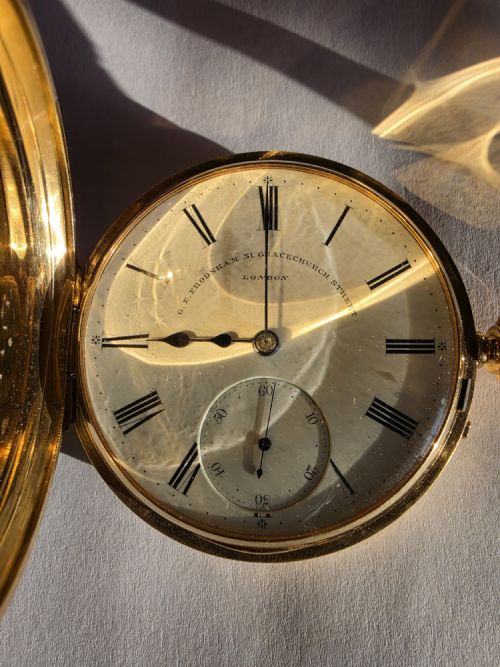
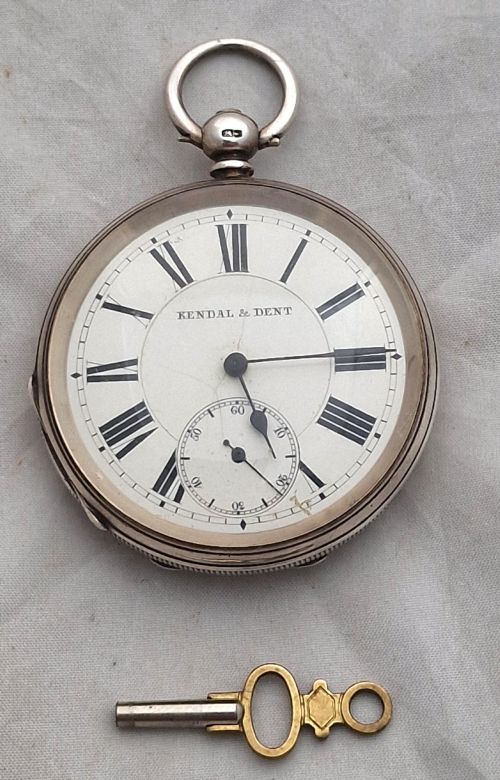
George Edward Frodsham·Kendal & Dent·Aaron Lufkin Dennison·Thomas Russell & Son·Lange & Sohne
The Antique Pocket Watch Fob Glossary
- Albert chain
- A chain attached to a pocket watch, designed to be worn across a waistcoat. Named after Prince Albert, these chains often secured fobs, vesta cases, and sovereign holders.
- Half hunter
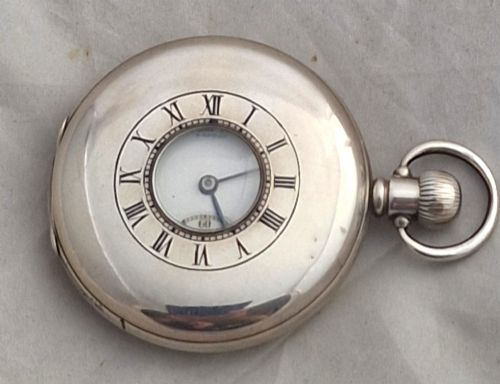
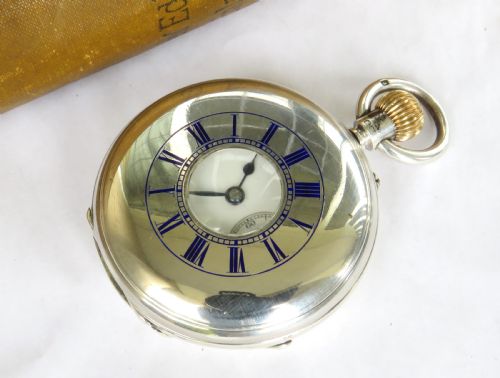
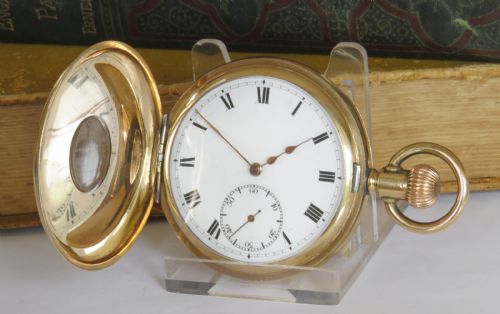
- A pocket watch featuring a case with a glass or open centre in the front lid, allowing the wearer to read the hands without opening the case entirely.
- Sovereign case
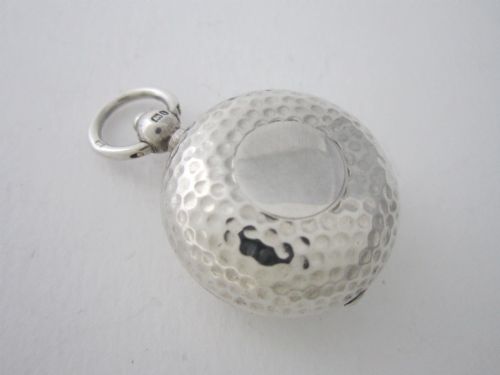
- A small, round container fashioned to hold British gold sovereign coins. They frequently accompanied watch chains during the Victorian and Edwardian periods.
- Fusee
- An archaic mechanical mechanism utilised in older pocket watches to equalize the driving force of the mainspring as it wound down. It remains a hallmark of traditional watchmaking skill.
- Vesta case
- A small pocket container designed to hold matches, often combined with sovereign cases or suspended alongside watch fobs on an albert chain.
Antique Pocket Watch Fob: Frequently Asked Questions
What is an antique pocket watch fob?
A pocket watch fob is a decorative pendant or medal suspended from a watch chain worn across a waistcoat. These items served as decorative accessories or commemorative awards.
Surviving examples range from simple silver shields to rotating spinning fobs and enamel club badges dating from the Victorian era to the 1930s.
How were watch fobs worn?
Gentlemen secured these pieces to an albert chain that looped through a waistcoat buttonhole and anchored to a pocket watch. The fob hung prominently from the centre of the chain.
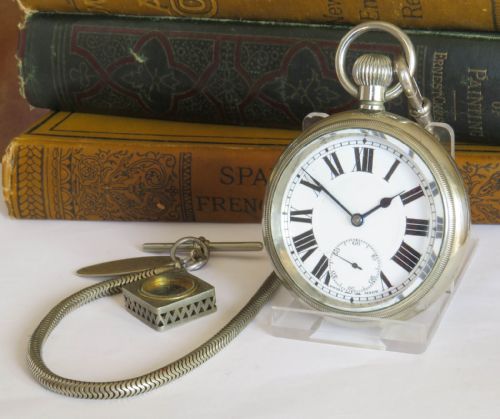
They were often paired with other pocket accessories such as sovereign cases, vesta boxes, and compasses.
What metals were used for fobs?
Makers constructed these pieces primarily in sterling silver, gold plate, brass, and solid nine-carat or eighteen-carat gold. Enamel additions provided colour and highlighted club crests or dates.
Silver examples frequently display Birmingham hallmarks that help verify their exact year of production.
How do I date a watch fob?
Dating relies primarily on official hallmarks stamped onto the metal, which record the assay office and production year. Stylistic clues like Victorian engraving or Art Deco geometry also indicate the era.
Associated inscriptions for sports clubs, military service, or bravery awards frequently supply precise historical dates.