




Antique Pocket Tobacciana
Antique pocket tobacciana brings together small personal containers and smoking gear crafted to hold snuff, vestas, cigars, and cigarettes during the Georgian, Victorian, and Edwardian eras.
Antique Pocket Tobacciana
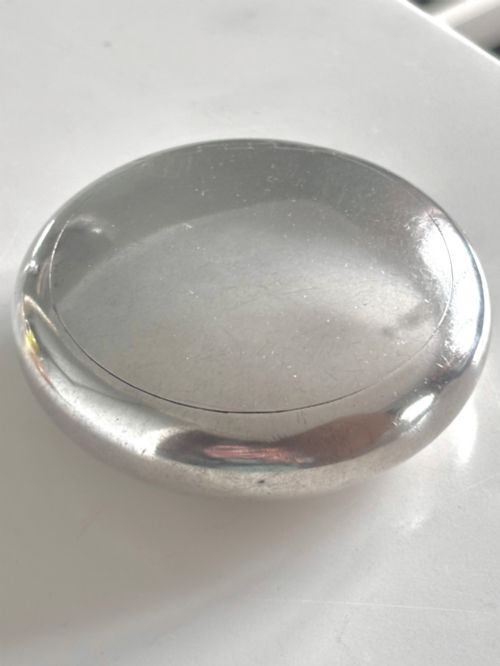
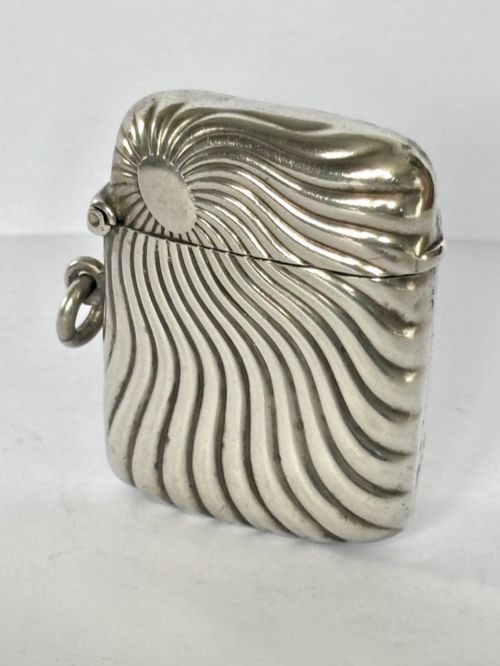
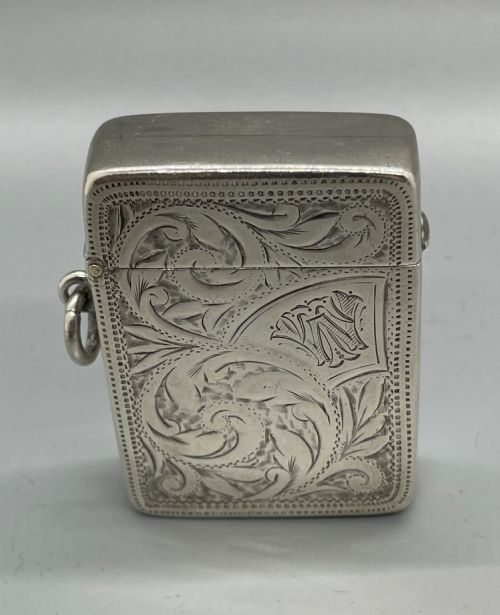
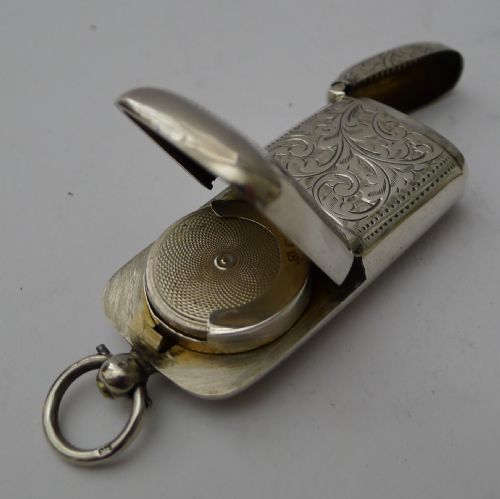
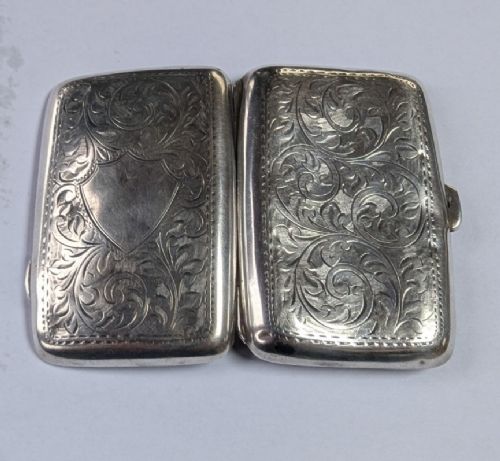
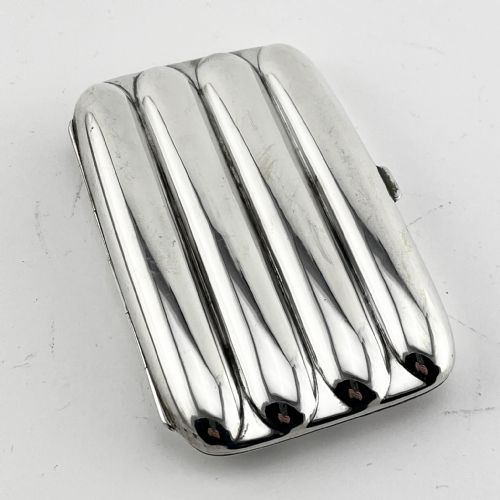
Antique pocket tobacciana covers portable smoking accessories and personal requisites designed for daily use from the Georgian period through the Edwardian era and into the Art Deco years. The selection on this page centres primarily on silver vesta cases, cigar and cheroot cases, cigarette cases, and snuff boxes in various formats.
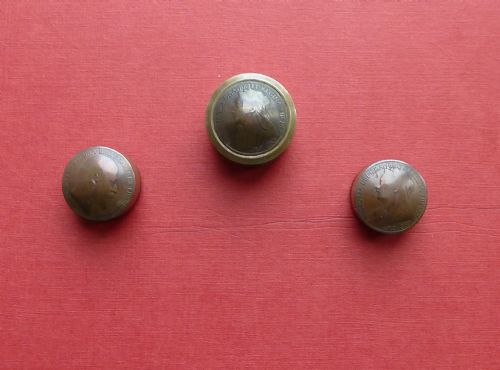
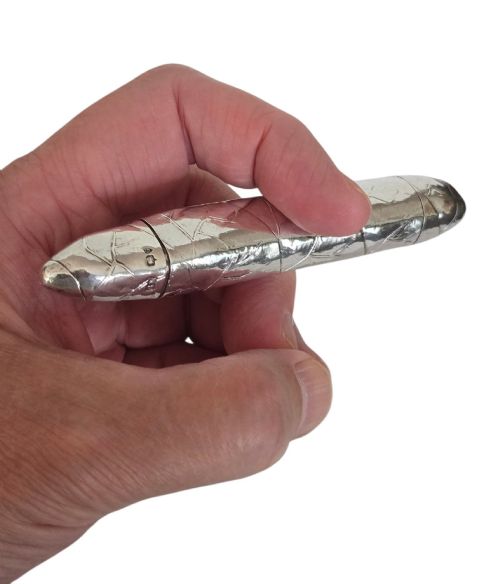
Makers produced everything from plain sterling silver matchsafe boxes to novelty double-ended cigar vesta cases and Scottish horn snuff mulls. Collectors will encounter leather book-form cheroot cases alongside metal squeeze tobacco boxes and brass novelty match boxes.
The objects reflect the specific smoking habits of their time, spanning pocket items meant for matches, loose tobacco, and rolled cigars. Pieces range from nineteenth century Dutch reeded designs to Russian silver cigarette cases and British hallmarked items.
Distinctions in Standard
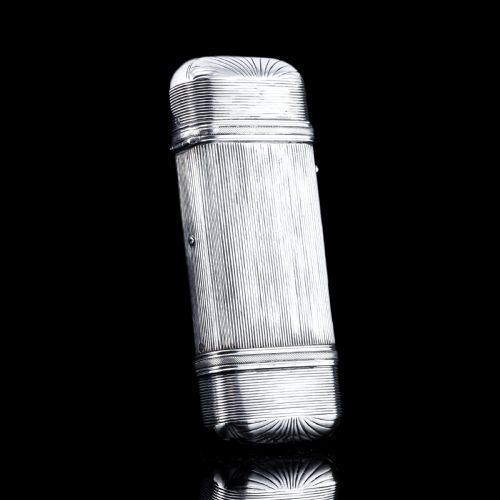
The standard of antique pocket tobacciana depends upon the crispness of the original chasing, engine turning, and engraved decoration applied to the metal surfaces. Crisp, deep patterns on sterling silver or distinct details on novelty figural vestas separate standard utilitarian items from superior examples.
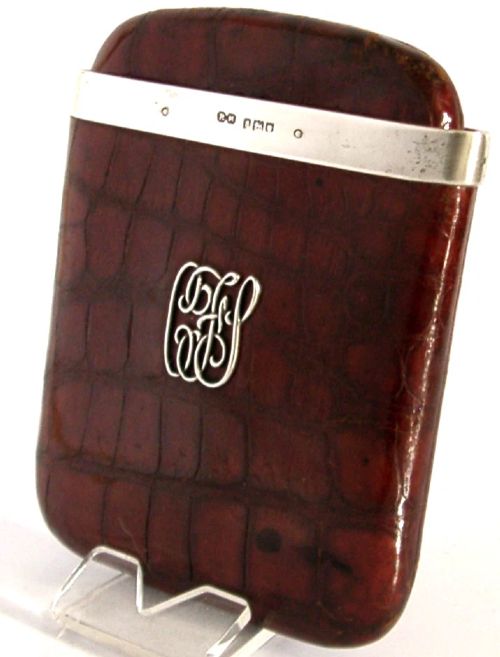
Integration of materials also dictates quality, particularly in how securely leather, horn, or crocodile skin fits around metal frames and internal linings. Well-preserved hinges, tight closures on snuff boxes and vesta cases, and clear hallmarks contribute to a higher grade.
Mappin And Webb·Robert Chandler·Sampson Mordan And Co·Robert Pringle·Edward Edwards·Alfred Clark
The Antique Pocket Tobacciana Glossary
- Vesta Case
- A small pocket container designed to hold safety matches, often fitted with a striker on the base. These boxes date largely from the Victorian and Edwardian periods.
- Snuff Box
- A small hinged box used for holding powdered tobacco for nasal ingestion. Examples vary from simple wooden or horn mulls to elaborate silver specimens.
- Cheroot Case
- A rigid or semi-rigid slim container shaped to hold open-ended cigars without crushing them. They frequently feature leather or woven metal construction.
- Hallmark
- A series of official marks stamped on precious metals indicating the standard of purity, assay office, and year of manufacture. British pieces typically show a lion passant and city symbol.
- Engine Turning
- A mechanical decoration technique producing intricate geometric patterns of fine engraved lines on metal surfaces. This finish was popular on Georgian and Victorian silver cigarette and card cases.
Antique Pocket Tobacciana: Frequently Asked Questions
What is a vesta case?
A vesta case is a small pocket container designed to hold matches safely before the widespread availability of safety boxes. They feature a textured striking area on the bottom for igniting the match.
Victorian and Edwardian gentlemen carried them daily in pockets or attached them to watch chains. They were produced in sterling silver, brass, and novelty figural shapes.
How do I identify a snuff box?
A snuff box is a small, tightly sealed container built to hold dry powdered tobacco. They often feature hinged lids designed to prevent moisture from ruining the contents.
Earlier examples include Scottish horn mulls, while later pieces utilise sterling silver or tortoiseshell. They were kept in pockets for convenient access throughout the day.
What is the difference between a cigar case and a cigarette case?
Cigar and cheroot cases are built deeper and often shaped to cradle tapered cigars securely without bending. They frequently incorporate leather, crocodile skin, or rigid curved metal.
Cigarette cases are flatter and designed to hold rows of manufactured cigarettes against internal elastic straps or metal bars. Both accessories were essential components of Edwardian and Art Deco smoking kits.
How can I date antique silver tobacciana?
British silver tobacciana can be dated by examining the hallmarks stamped directly onto the metal surface. These official marks usually include a maker's mark, a purity standard mark, an assay office symbol, and a date letter.
Items lacking British hallmarks, such as Dutch or Russian pieces, rely on regional style indicators and importation marks. Comparing the decorative motifs, such as Victorian chasing or Art Deco geometric lines, helps confirm the era.