

Antique Pocket Chain
When you search for an antique pocket chain, you are holding functional history forged from sterling silver, rolled gold, and yellow gold.
Antique Pocket Chain
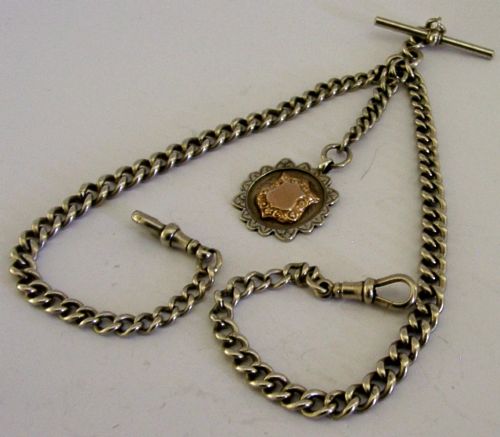
An antique pocket chain encompasses functional adornments designed to secure timepieces, sovereigns, and personal items in pockets or about the person. These items bridge utilitarian necessity and personal decoration across the Victorian, Edwardian, and Art Deco periods.
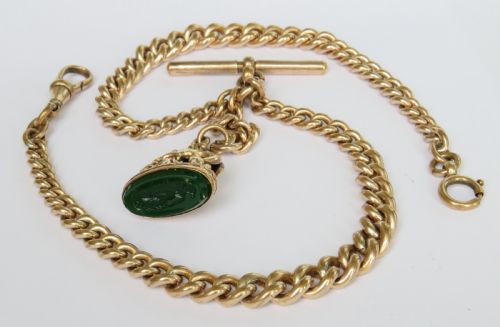
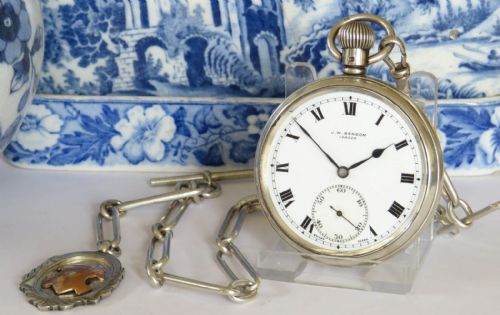
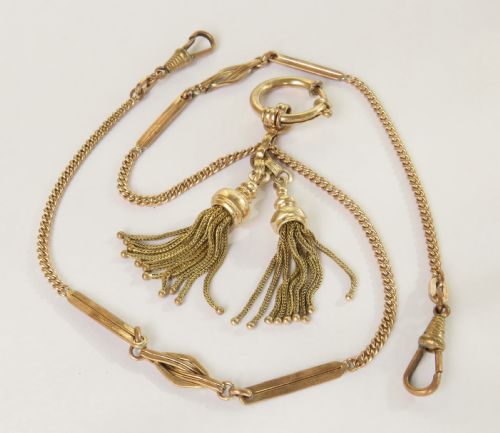
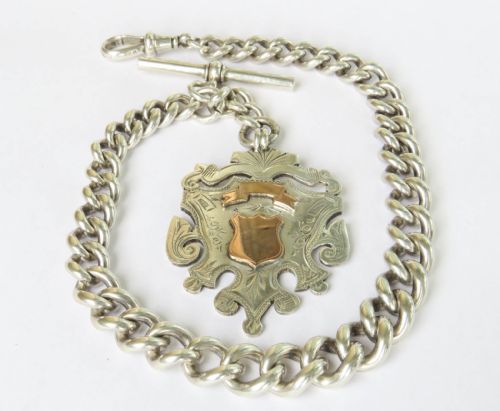
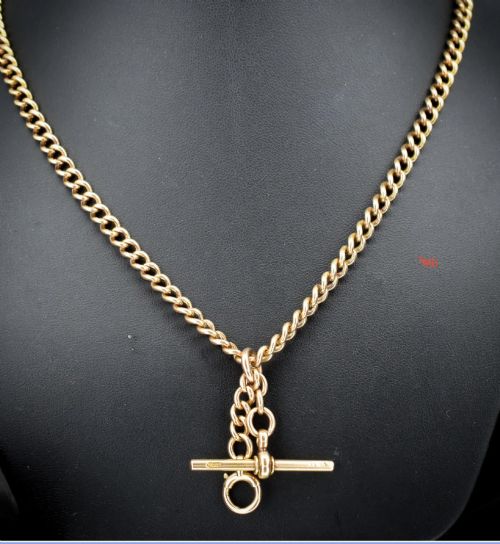
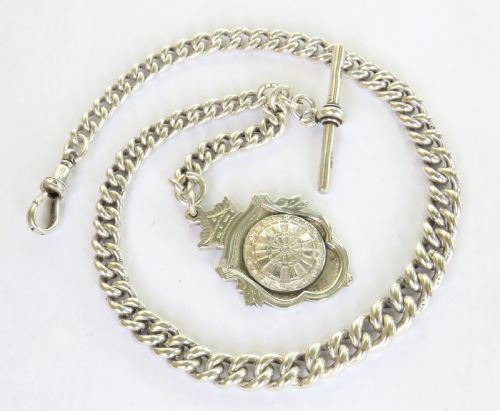
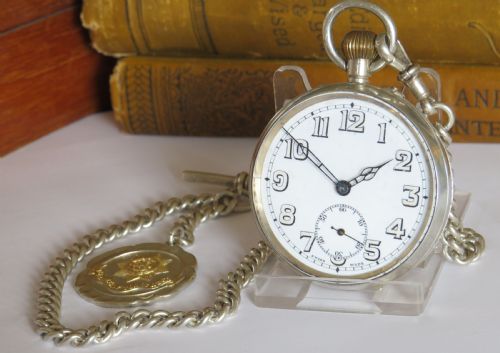
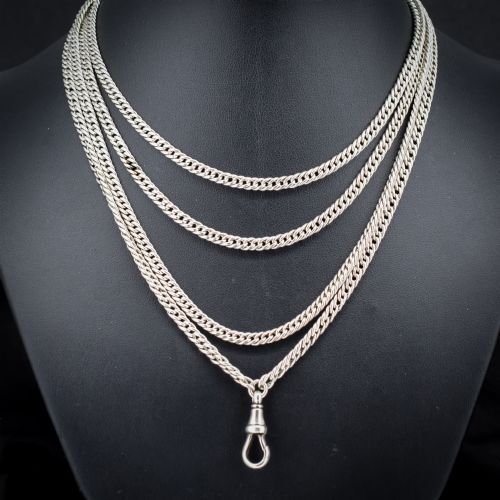
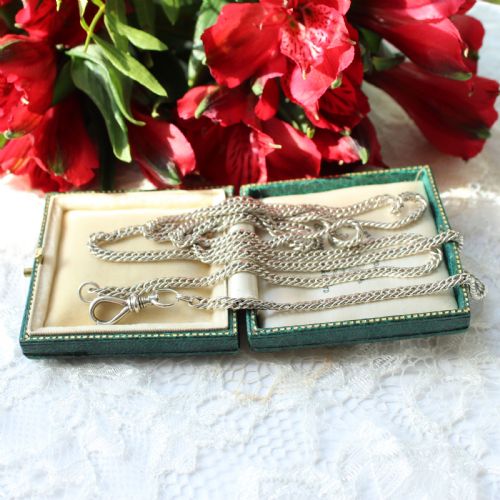
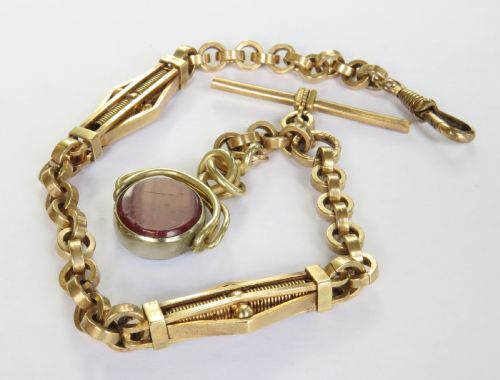
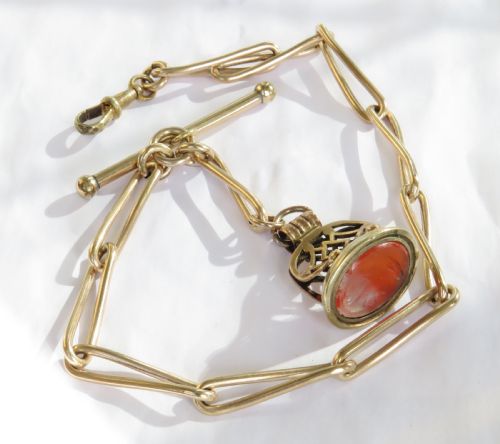
The most common examples met on this page include sterling silver and 9ct gold albert chains, often fitted with dog clips, T-bars, and spinning fobs. Long guard chains in silver and gold also appear frequently, alongside complete sets pairing pocket watches with their matching chains.
How They Were Made
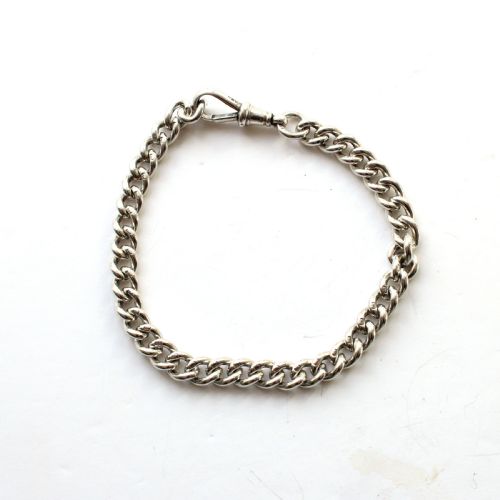
Silversmiths and goldsmiths constructed these pieces using durable metals such as sterling silver, 9ct gold, 18ct yellow gold, and rolled gold. Links were meticulously formed into curb, belcher, and trombone patterns, frequently incorporating love knot motifs and secure mechanical fasteners.
Many links and components bear hallmarks indicating assay offices like Chester and Birmingham alongside specific dates. Attachment mechanisms rely on functional hardware including dog clips, screw-lock pocket watch clips, swivels, and T-bars designed for daily wear.
Antique Pocket Chain Retail Price Guide 2026
Typical asking prices for pocket chain among the pieces listed under this phrase on Sellingantiques today, from the lower quarter to the upper quarter. They describe what is for sale here now, not the wider market.
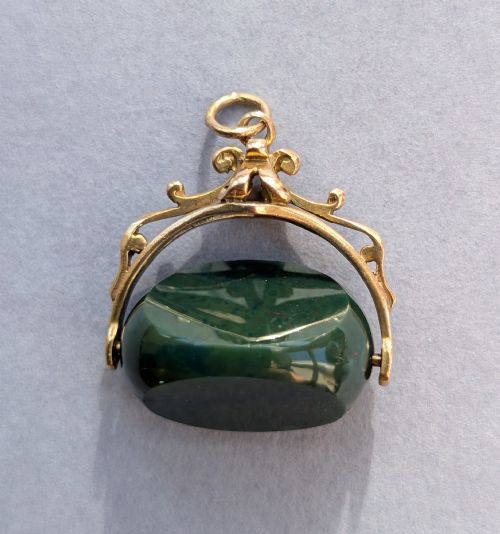
Some pieces include bloodstone spinning fobs that allow the wearer to flip the stone with a satisfying tactile click.
What Varies in Quality
Substantial variations exist between solid gold and silver pieces versus rolled gold alternatives, as well as the gauge and weight of the metal links. Heavier constructions and graduated curb links demonstrate greater material substance and manufacturing effort.
The presence of original associated elements such as spinning fobs with bloodstone, coin cases, vests, and intact hallmarks distinguishes standard items from more comprehensive complete sets.
Limit Revue·Omega·Cyma·Octava·Stonehaven·Tavannes Crest·Sackville·Elgin
The Antique Pocket Chain Glossary
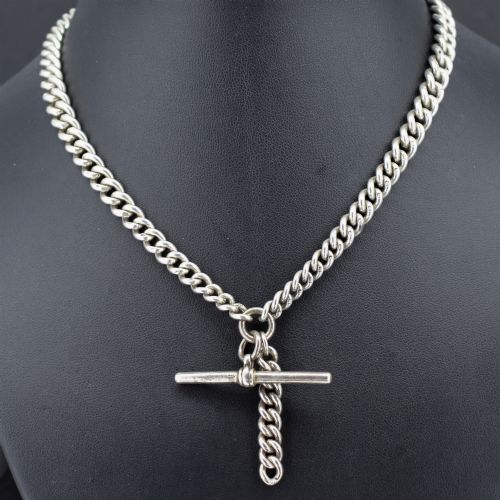
- T-bar
- The crossbar component attached to the centre of an albert chain. This bar slipped through a waistcoat buttonhole to anchor the chain securely.
- Dog clip
- A spring-loaded snap hook used to secure pocket watches, fobs, or charms to the chain. It provides a reliable fastening mechanism.
- Long guard chain
- An exceptionally long chain, often worn doubled around the neck or suspended to hold a watch or lorgnette in a pocket. Victorian examples frequently exceed fifty inches in length.
- Sovereign case
- A small container designed to hold gold sovereign coins securely in a pocket. These cases often match the metal and style of the accompanying watch chain.
Antique Pocket Chain: Frequently Asked Questions
What is an antique pocket chain used for?
These chains were primarily worn by men and women to secure pocket watches, fob watches, and small personal items like vesta cases to garments.
The T-bar anchored through a waistcoat buttonhole while the chain kept the timepiece safe from dropping.
How do you wear an albert chain?
An albert chain is secured by passing the T-bar through a central buttonhole of a waistcoat, allowing the draped chains to suspend a watch in one pocket.
Double albert chains cross the chest with two strands dropping from the buttonhole to separate pockets for the watch and a fob.
What metals are used in these chains?
The listings show pieces constructed from sterling silver, rolled gold, 9ct gold, 18ct yellow gold, steel, and enamel.
Solid silver and gold pieces often feature hallmarks stamped directly onto the links or dog clips.
How can you date an antique chain?
Dating relies on stylistic periods such as Victorian, Edwardian, and Art Deco, alongside metal types and specific design motifs like trombone links.
Many silver and gold pieces also bear official town hallmarks and date letters stamped by assay offices.