
Antique Plate Set
When you search for an antique plate set, you seek coordinated dining or service ware in porcelain, earthenware or silver plate from centuries past.
Antique Plate Set
An antique plate set encompasses coordinated dining wares, dessert services and cruet collections originating primarily across the eighteenth, nineteenth and early twentieth centuries. These suites appear in porcelain, earthenware and silver plate, shaped by periods from Georgian and Regency to Victorian and Edwardian.
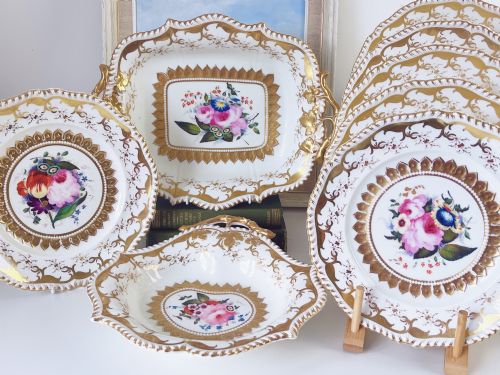
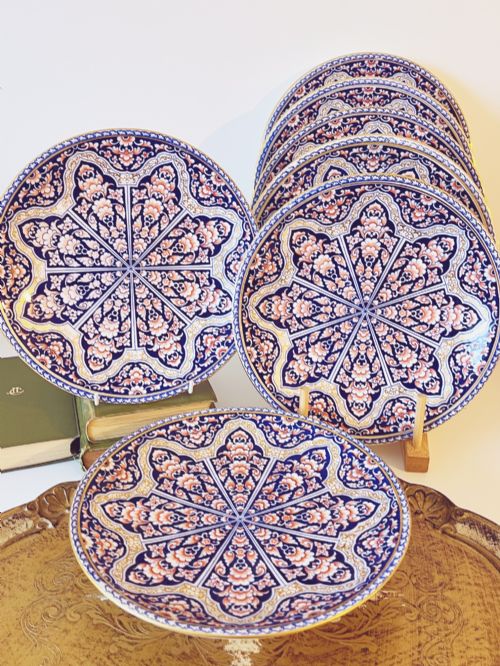
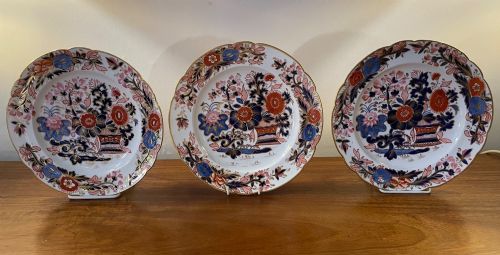
Buyers meet matching dessert services from makers like Wedgwood and Spode, alongside tea sets, cruet sets and flatware collections. The pieces range from hand-painted floral porcelain plates to silver-plated stands with cut glass bowls.
These groupings bring period character to modern dining tables and display cabinets. Each set preserves the domestic routines of past generations through surviving ceramic glazes and polished metal surfaces.
Materials and methods of production
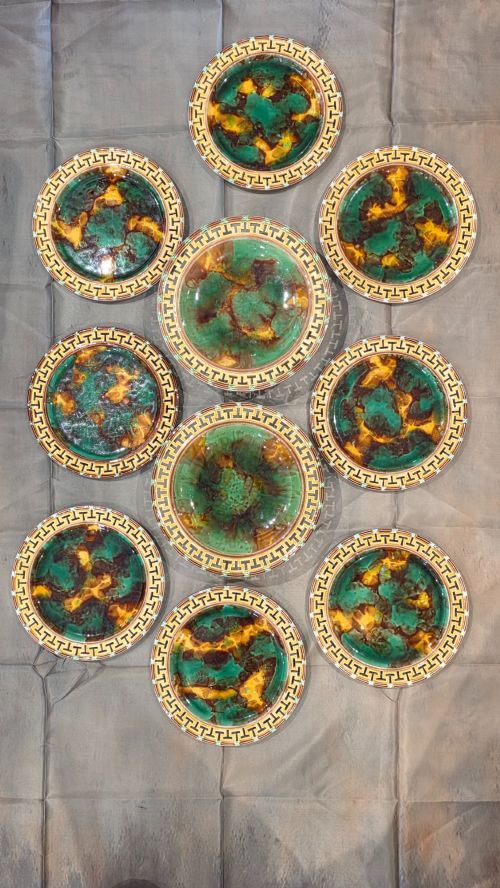
Pottery sets utilise porcelain and earthenware shaped into plates, dishes and comports, often decorated with hand-painted flowers, transfer printing in blue and white, or coloured majolica glazes. Factories applied gold leaf highlights and enamels to enrich the ceramic surfaces before firing.
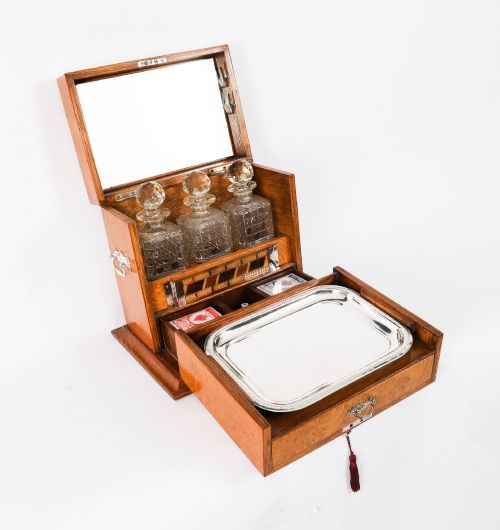
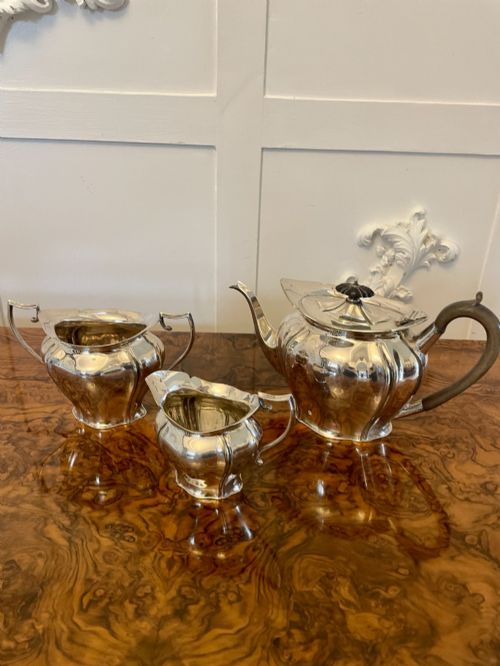
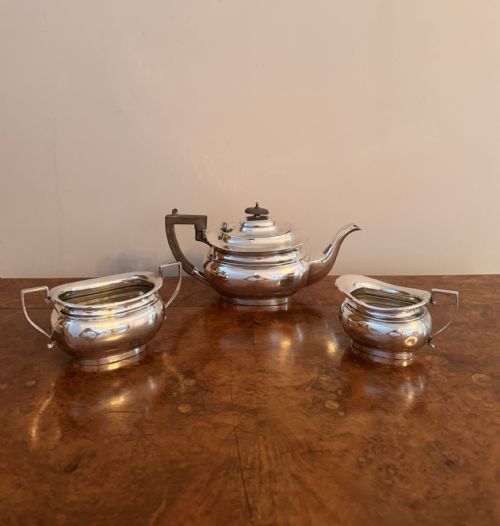
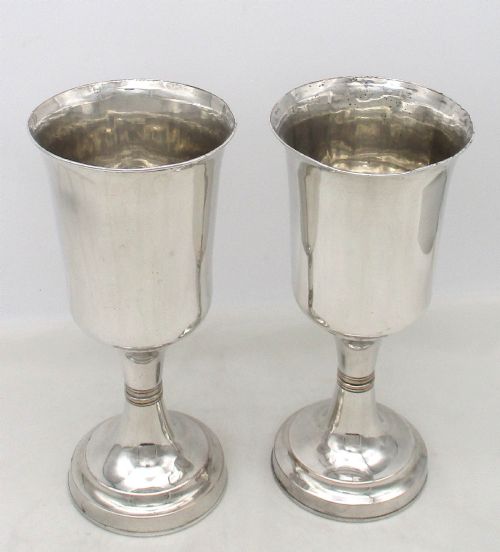
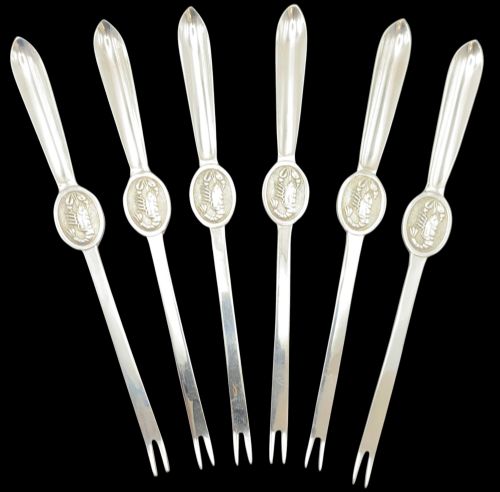
Metal sets rely on silver plate, Old Sheffield plate, silver-gilt and solid silver, shaped into cruet frames, cutlery and tea services through casting, embossing and engraving. Wood such as figured oak and mahogany often provides fitted housing for tantalus and spirit sets.
Materials range from simple earthenware and cut glass to silver-gilt, gold leaf and Sheffield plate.
Factors that define the grade of a set
Quality rests upon the crispness of casting in metal frames, the depth of hand-engraving on silver-plated surfaces, and the finesse of hand-painted details on porcelain plates. Sets from recognised makers exhibit superior execution in these decorative elements.
Completeness dictates utility and standing, as matching numbers across plates, cruet bottles or cutlery groupings maintain the integrity of the original service. The survival of original fitted wooden boxes or stands adds structural context to the metal and ceramic components.
Joseph Rodgers & Sons·Deakin & Francis·Grainger Lee & Co·Spode·Wedgwood·James Dixon & Sons·Elkington·Walker & Hall·Chamberlains Worcester·Wilkinson & Co·Minton·Royal Crown Derby
The Antique Plate Set Glossary
- Dessert service
- A matched grouping of plates and comports intended for the final course of a meal. These often feature elaborate hand-painted botanical or scenic decoration on porcelain.
- Cruet set
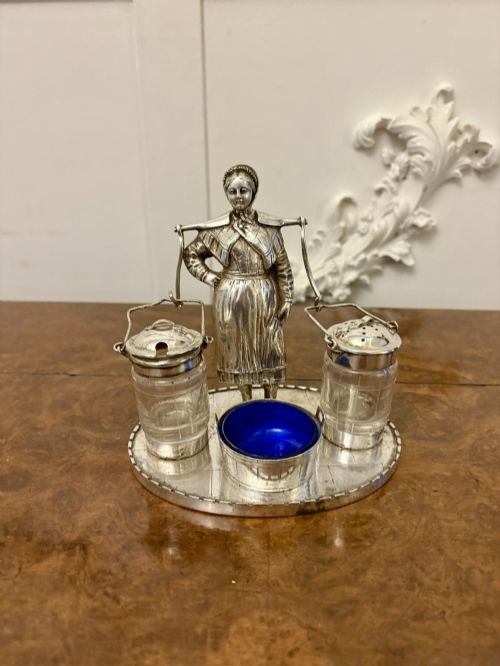
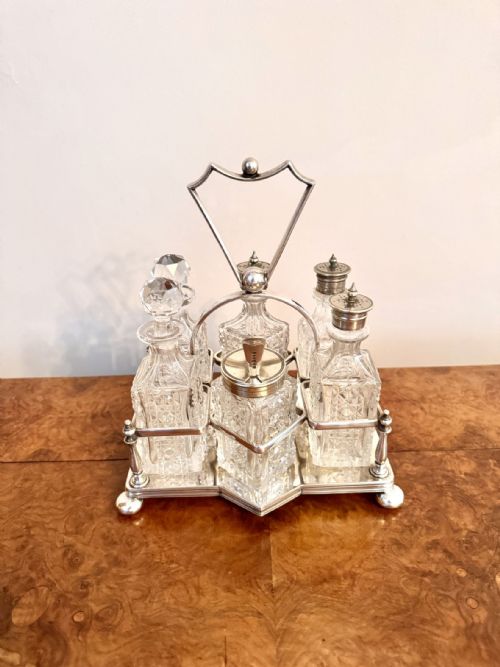
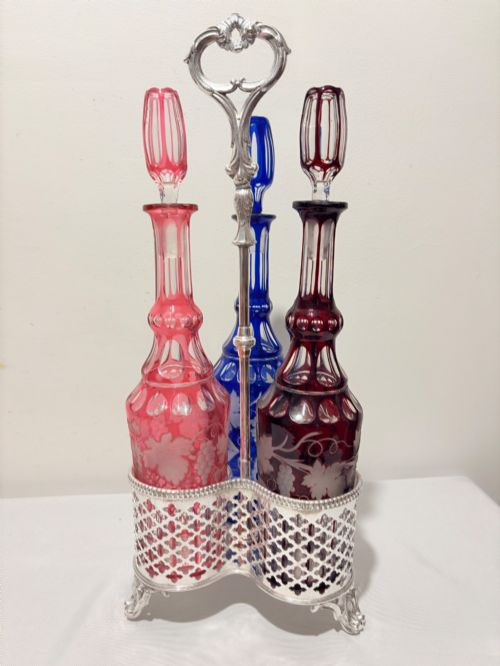
- A collection of glass bottles or jars mounted in a metal frame for holding condiments at the table. Frames frequently incorporate silver plate or Old Sheffield plate with carrying handles.
- Old Sheffield plate
- A composite material formed by fusing a sheet of silver to a thicker base of copper. This technique predates modern electroplating and leaves a characteristic thin silver layer.
- Silver-gilt
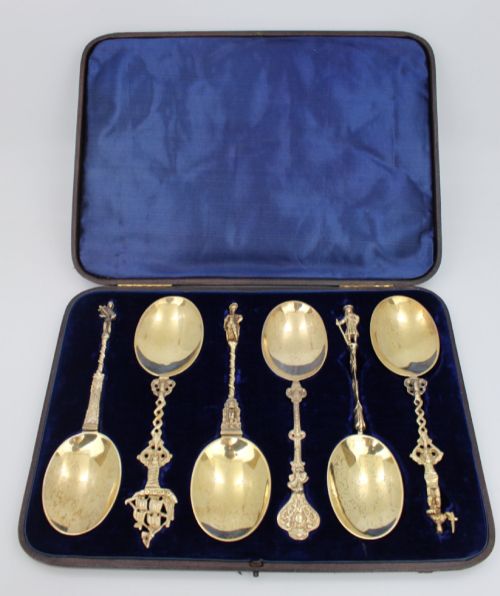
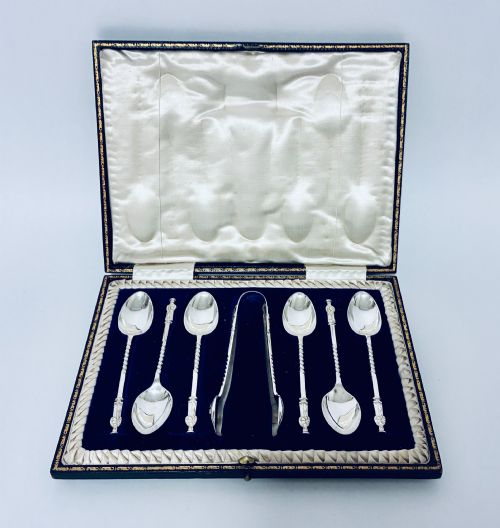
- Silver that has been coated with a thin layer of gold on its exterior surface. This finish appears on apostle spoons and flatware sets to provide a rich golden appearance.
- Comport
- A raised dish or bowl used for serving fruit or sweets as part of a dessert service. Comports stand taller than standard plates to create tiered table arrangements.
Antique Plate Set: Frequently Asked Questions
What is included in an antique dessert service?
A dessert service typically comprises a central raised comport accompanied by multiple matching plates intended for fruit and sweet courses.
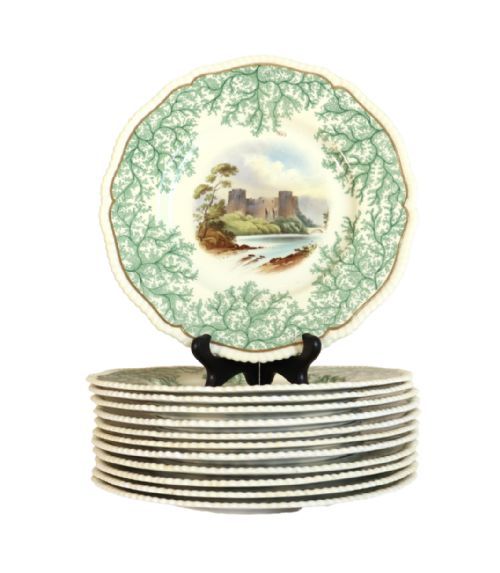
These sets often feature hand-painted floral motifs or transfer-printed scenes on porcelain or earthenware bodies.
How were silver-plated cruet sets used?
Cruet sets held liquid and dry condiments such as oil, vinegar, mustard and pepper for diners to season food at the table.
The glass bottles sat within an engraved metal frame fitted with a central handle for passing around the dining company.
How do I care for antique porcelain plates?
Antique porcelain plates require gentle hand washing in warm water with mild soap, avoiding abrasive sponges or modern dishwashers.
Sudden temperature changes should be avoided to protect the historic ceramic body and hand-painted enamel glazes from cracking.
How can I tell a Georgian set from a Victorian one?
Georgian and Regency pieces often display neoclassical restraint or early transfer-printed patterns on creamware and porcelain.
Victorian and Edwardian items introduce heavier embossing, elaborate silver plating, majolica glazes and diverse revival styles like Egyptian or Rococo.