


Antique Plant Engraving
These antique plant engraving examples bring delicate botanical study and historical craft to your walls.
Antique Plant Engraving
When you search for an antique plant engraving, you encounter delicate works on paper dating across the eighteenth and nineteenth centuries. These framed prints capture botanical subjects with precision, often originating from significant French and British horticultural publications.
The selection on this page ranges from sets of four or eight engravings featuring insects and plants to individual botanical plates. Many originate from notable historical series such as Herbier Général de l'Amateur and Plantae Selectae.
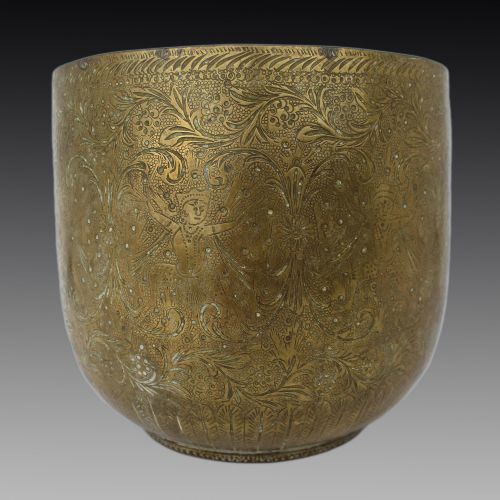
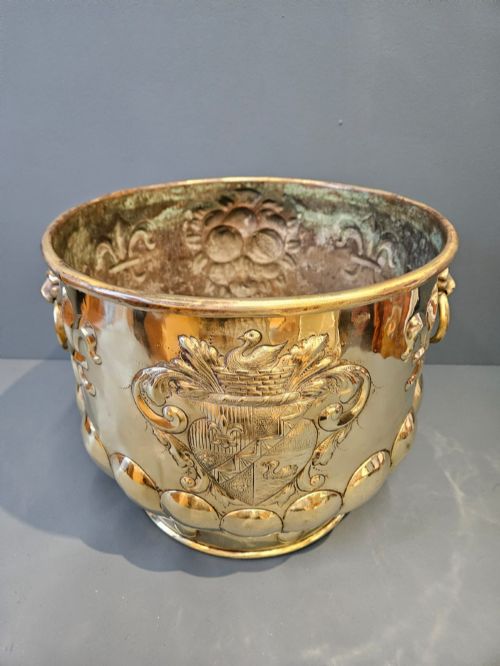
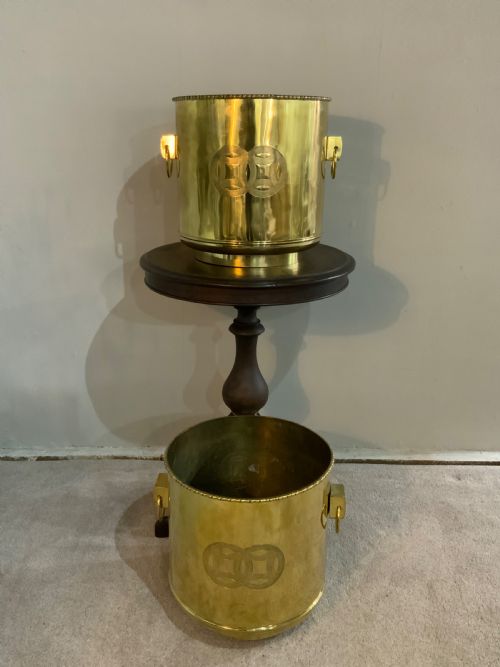
Alongside the paper prints, the evidence shows that metalwork planters and jardinières frequently accompany these botanical subjects under the broader search term. These pieces share a period interest in natural history, spanning Victorian, Edwardian, and earlier eras.
Materials and construction methods
The paper prints rely on traditional plate printing techniques using ink on paper, frequently enhanced by hand colouring to bring out the natural hues of the flora and fauna. These works utilise durable paper stocks that survive from the eighteenth and nineteenth centuries.
Physical containers and frames in the evidence employ metals such as brass, bronze, copper, and sterling silver, often shaped through hand-engraving and polishing. Wood and glass typically support the presentation of the framed paper works.
Makers applied meticulous hand-colouring directly onto the inked impressions, ensuring each botanical plate recorded anatomical details of plants and insects with scientific accuracy.
Listings feature botanical engravings alongside brass and bronze planters from the eighteenth, nineteenth, and early twentieth centuries.
Factors that define quality
Quality in these works rests upon the clarity of the printed line and the precision of the hand-applied colour. Finer examples maintain crisp botanical details and vibrant pigments that retain their original tone without excessive fading.
The prestige of the original publication and the reputation of the botanical artist or engraver elevate the standing of a print. Plates associated with documented horticultural works command greater attention from collectors.
For metal items sharing the category, the depth and execution of the hand-engraving determine the calibre of the piece. Crisp chasing and substantial metal weight distinguish the finer vessels.
Pancrace Bessa·John Curtis·Georg Wolfgang Knorr·George Dionysius Ehret
The Antique Plant Engraving Glossary
- Engraving
- A printmaking technique where an artist cuts lines into a metal plate to hold ink. This method produces fine, precise details suited for scientific illustration.
- Hand-coloured
- A print finished with watercolour or other pigments applied by hand after the initial impression. This adds naturalistic colour to botanical plates.
- Botanical plate
- An individual printed illustration depicting the parts, habit, or flower of a plant. These were frequently bound in volumes or issued in periodic sets.
- Jardiniere
- A decorative pot or stand designed to hold plants or flowers. Examples in the evidence are formed from brass, bronze, and copper.
- Cachepot
- An ornamental pot used to conceal an ordinary flowerpot. These often feature hand-engraved surfaces and period metalwork.
Antique Plant Engraving: Frequently Asked Questions
How do I care for an antique plant engraving?
Keep paper prints away from direct sunlight to prevent the hand-applied watercolour pigments from fading over time. Ensure they are framed with conservation-grade materials to protect the historic paper.
Maintain stable indoor humidity levels to safeguard both the paper and any accompanying wooden or metal frames against warping or corrosion.
Were these engravings made for books?
Many botanical engravings originated as unbound plates for serialized natural history publications and comprehensive floras. Publishers issued these works to document newly discovered plant species for botanists and enthusiasts.
Subsequent framing separates individual plates from their original volumes, allowing collectors to display them as independent artworks.
How can I identify the age of a botanical print?
Examine the paper stock for watermark indicators, chain lines, and tactile qualities typical of historical paper mills. Typography, plate marks, and attribution text in the margins often provide clues to the publication date.
Reference numbers and associated publication titles listed on the print connect the work to documented historical volumes and active periods of the artists.
Can I display these prints in a modern interior?
Botanical engravings suit various interior styles, adding a sense of historical study and natural symmetry to a room. Their neutral paper tones and detailed green or floral hues pair well with contemporary and traditional furnishings alike.
Grouping sets of prints together, such as series featuring insects and plants, creates a balanced display wall.