



Floral Botanical Print
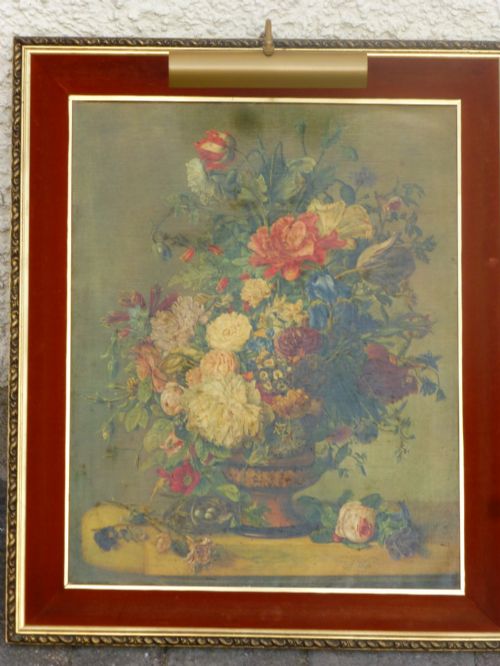
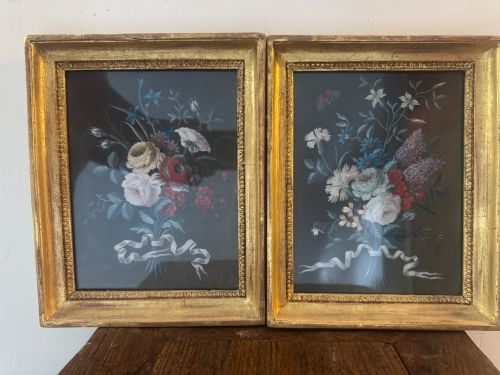
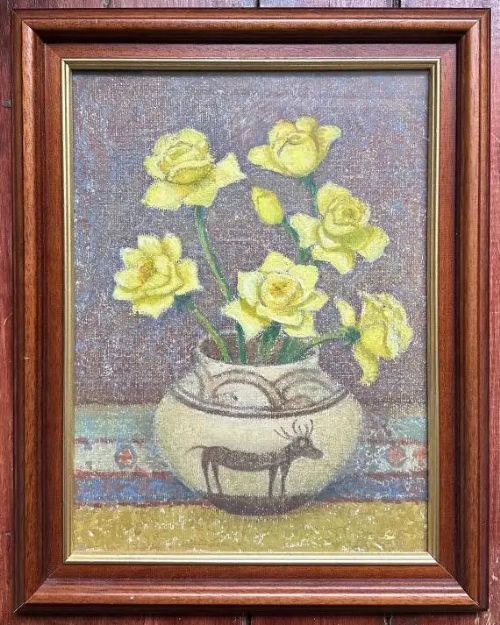
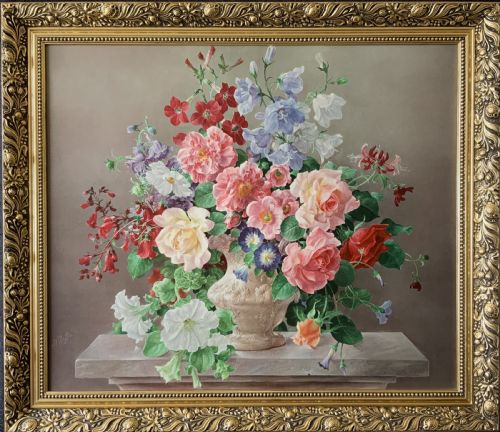
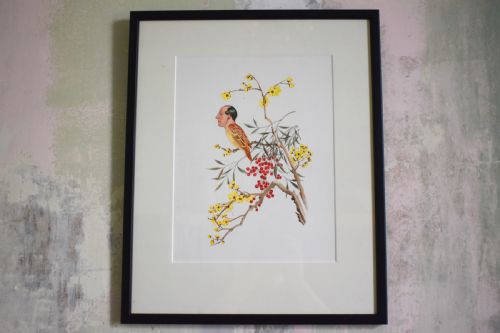
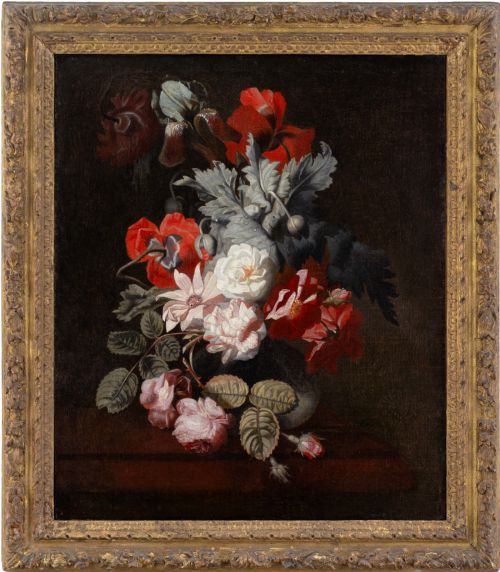
These floral botanical print examples bring historical flora into interiors through delicate works on paper and canvas.
Floral Botanical Print
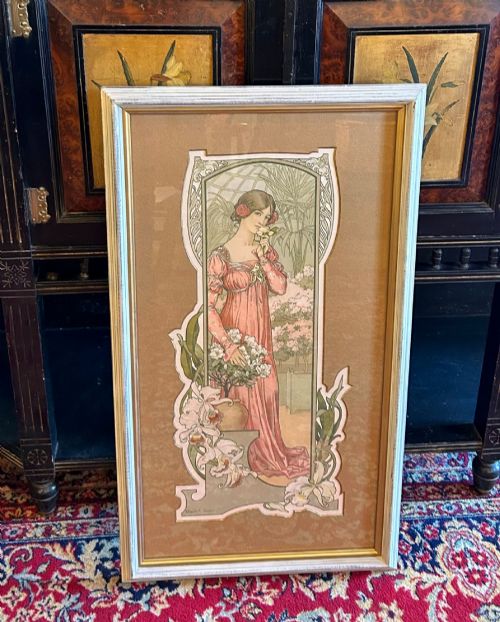
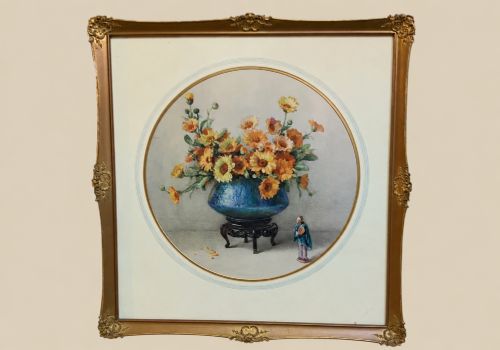
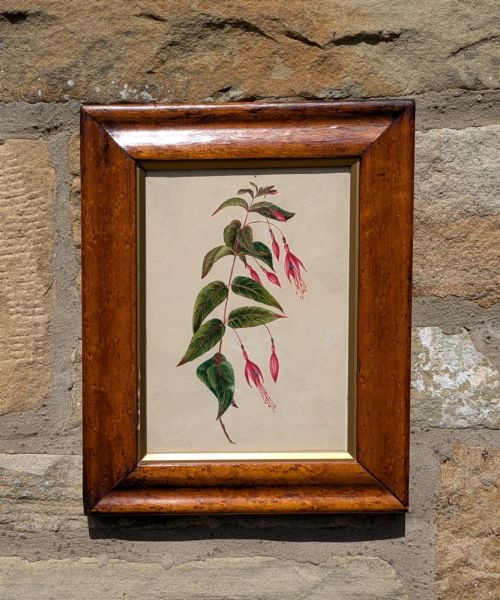
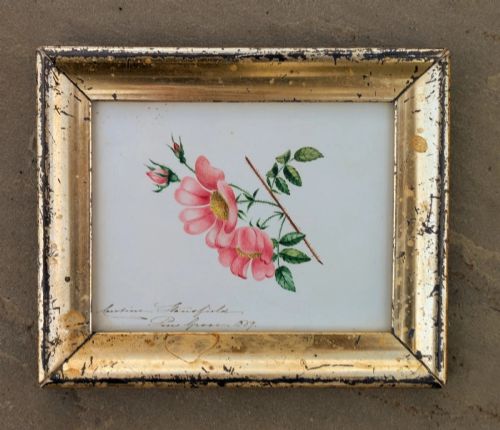
A floral botanical print captures detailed studies of plants, flowers, and garden specimens originating primarily from the nineteenth century alongside earlier eighteenth-century plates and twentieth-century interpretations. Buyers seeking this aesthetic encounter hand-coloured engravings, lithographs, and delicate watercolours designed to document species accurately while providing decorative appeal.
The selections span framed artwork, wall art, and bound plate collections created across various periods including the Victorian era and the Georgian epoch. These pieces often depict single stems, full bouquets in vases, or scientific studies featuring insects and plants grouped together.
Originating from illustrated herbariums and portfolio plates, these items bring natural history into domestic spaces. The selection includes works by named botanical illustrators and anonymous English school studies framed in period wood and gilt mouldings.
Materials and methods
Makers utilised high-quality paper, canvas, and board as the primary foundation for pigment application, often enclosing the finished work behind glass within carved wood or gilt wood frames. Watercolour, gouache, and oil paint appear frequently alongside printing techniques such as lithography and copperplate engraving.
Colour application often involved meticulous hand-colouring over printed lines to achieve botanical accuracy in depicting petals, leaves, and stems. Engravings by specialists like John Curtis and Georg Wolfgang Knorr demonstrate fine line work combined with subtle watercolour washes.
Support structures range from simple paper sheets to stretched canvas and panel boards, sometimes protected by original frames featuring gold leaf highlights and carved pine moulding.
Several botanical plates secretly immortalise industrious caterpillars and beetles alongside the petals.
Evaluating quality and execution
Quality rests upon the precision of the botanical draftsmanship and the subtlety of the colour application, distinguishing skilled natural history illustration from standard decorative production. Hand-coloured engravings with sharp plate marks and preserved pigment vibrancy represent the finer end of the spectrum.
The integrity of the paper substrate and the presence of original framing elements significantly influence the standing of an individual piece. Works demonstrating crisp linework combined with transparent watercolour washes outrank faded or heavily retouched examples.
Elisabeth Sonrel·Anton Weiss·Harold Clayton·Simon Pietersz Verelst·Pancrace Bessa·Charlotte Isa James·John Curtis·Margaret Evangeline Wilson·Georg Wolfgang Knorr·John Sherrin·M.K Rhodes·Lilian Stannard·Amy Reeve-Fowkes·Helen Cordelia Angell·Wiliam Stephen Coleman·Owen Bowen·George Dionysius Ehert
The Floral Botanical Print Glossary
- Engraving
- A printmaking technique where an artist cuts an image into a metal plate using a sharp tool. The resulting inked grooves transfer fine, precise lines onto paper under pressure.
- Lithography
- A planographic printing method based on the chemical repulsion of oil and water. Artists draw on limestone or metal plates to produce accurate multiples of botanical illustrations.
- Gouache
- An opaque water-based medium containing pigment and a binding agent. It provides solid fields of matte colour frequently utilised in botanical studies for vivid petal rendering.
- Oleograph
- A type of chromolithographic reproduction textured to simulate an oil painting. These prints gained popularity in the nineteenth century for affordable domestic wall decoration.
- Hand-coloured
- A process where monochrome prints receive washes of watercolour by hand after printing. This technique added realistic hues to botanical engravings before colour printing became widespread.
Floral Botanical Print: Frequently Asked Questions
How are antique botanical prints dated?
Dating relies on paper characteristics, printing techniques, and stylistic markers inherent to specific decades or centuries. Watermarks, typography styles on accompanying text, and known publication dates of source books provide reliable chronological anchors.
Examinations of the framing materials and backboards also offer supporting evidence regarding the age of the overall object.
Were these prints meant for wall display?
Many plates originated inside bound botanical folios and scientific volumes rather than intended for immediate wall hanging. Owners subsequently framed these unbound plates to showcase their aesthetic qualities in domestic interiors.
Other works were created specifically as standalone watercolours or oil paintings intended for display from their inception.
How should I care for a paper botanical?
Preservation requires avoiding direct sunlight to prevent the fading of delicate watercolours and hand-coloured inks. Maintaining stable indoor humidity levels protects both the paper substrate and the surrounding wooden frame from warping.
Displaying pieces away from direct heat sources ensures the longevity of antique paper and adhesive components.
What is the difference between an engraving and a lithograph?
Engravings involve incising lines into a hard metal plate, resulting in crisp, indented lines and visible plate marks on the paper. Lithography relies on chemical properties on a flat stone or metal surface, producing smoother tonal gradations without deep plate impressions.
Both techniques achieved widespread use in documenting flora across the eighteenth and nineteenth centuries.