




Antique Plant Boxes
These antique plant boxes bring architectural presence to interiors through centuries of skilled cabinetmaking and metalwork.
Antique Plant Boxes
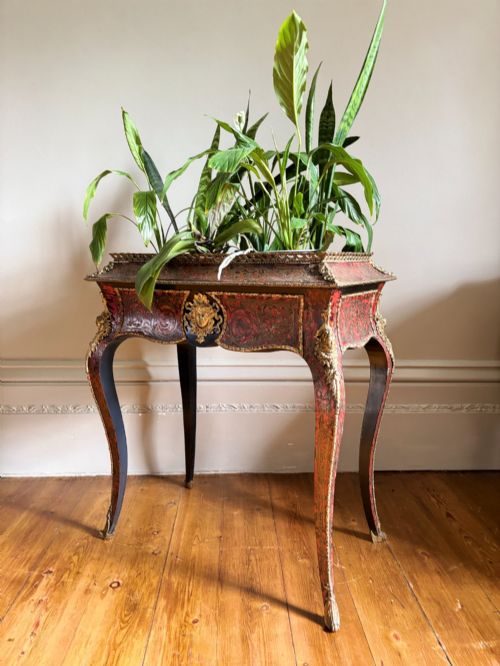
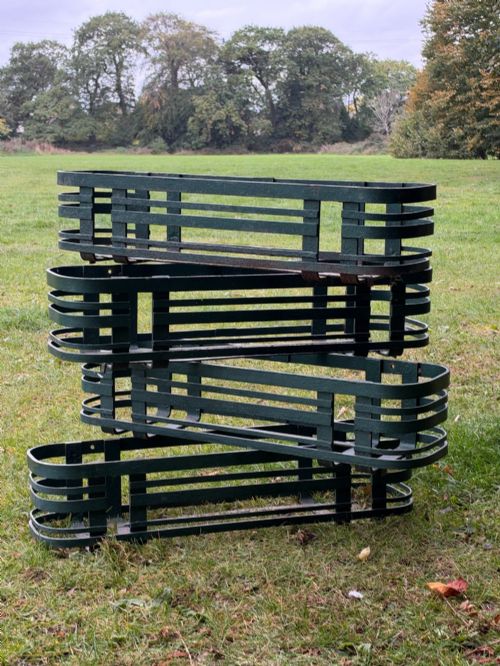
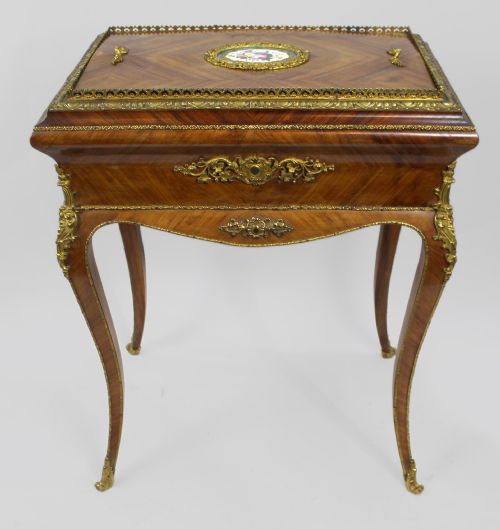
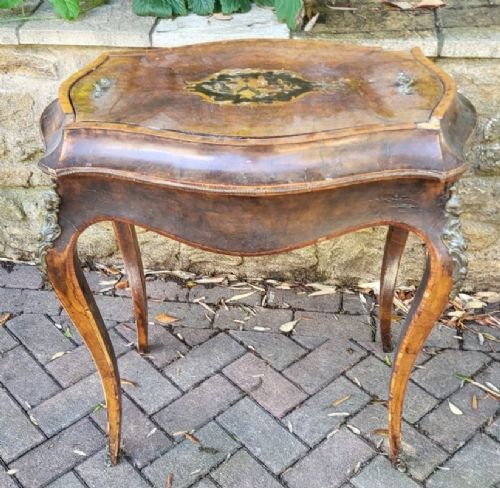
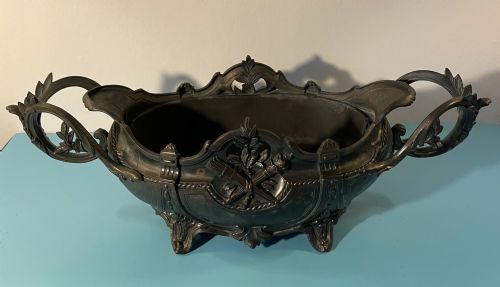
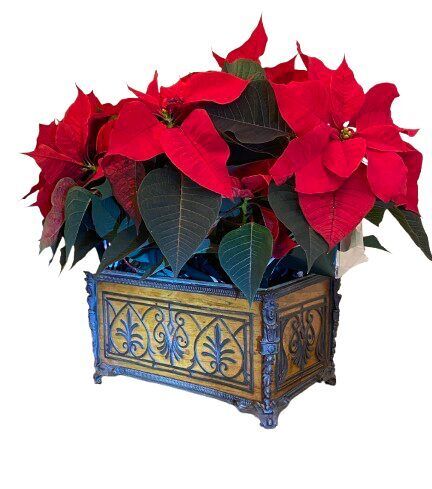
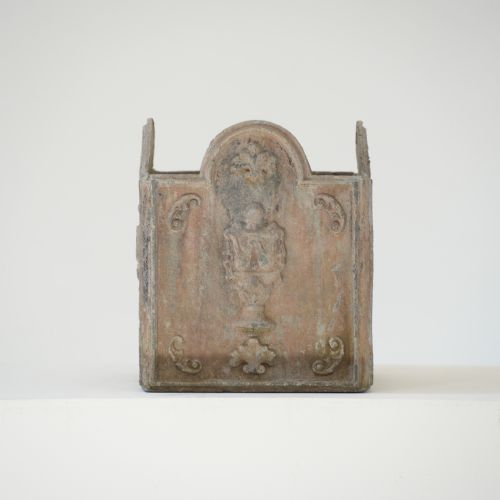
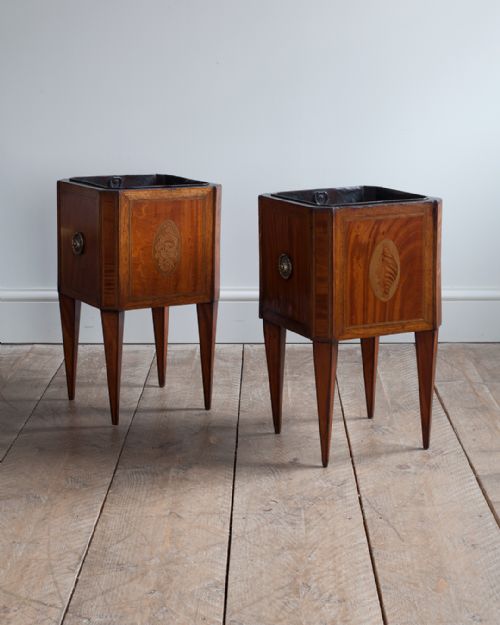
Antique plant boxes span domestic display vessels, jardinieres, and stands designed to hold growing plants or arrangements within principal rooms. The selection includes French inlaid kingwood, walnut, and mahogany jardiniere forms alongside robust brass and wrought iron garden planters.
Makers produced these pieces across the Georgian, Victorian, and Edwardian periods, utilising styles ranging from Louis XV Revival and Chinoiserie to Arts and Crafts copper work. Buyers encounter standing jardiniere forms, tabletop vessels with lift-off lids, and structural lead or iron containers suited to both indoor and outdoor spaces.
How they were made
Cabinetmakers constructed wooden plant boxes from dense timbers like mahogany, satinwood, burr walnut, and olive wood, frequently employing fine marquetry inlay and kingwood veneers. Metal examples rely on heavy brass repoussé work, cast bronze mounts, and wrought iron strapwork.
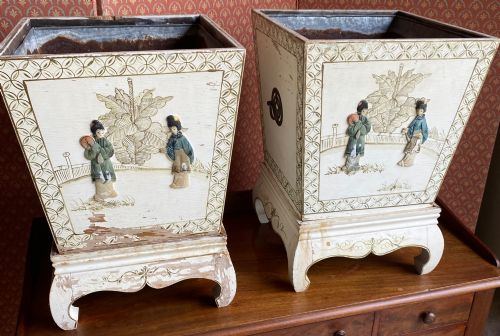
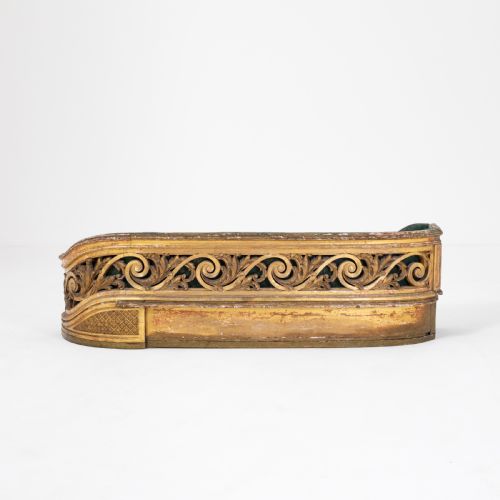
Decorative detailing incorporates porcelain plaques, giltwood carvings, ebonised finishes, and hand-painted Japanese motifs. Master artisans joined these diverse materials to withstand the weight of soil and moisture while maintaining decorative elegance.
Antique Plant Boxes Retail Price Guide 2026
Typical asking prices for plant boxes among the pieces listed under this phrase on Sellingantiques today, from the lower quarter to the upper quarter. They describe what is for sale here now, not the wider market.
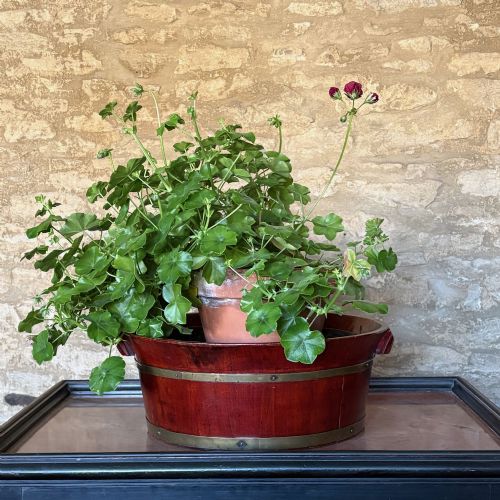
Object forms range from traditional wooden jardinieres and plant stands to wrought iron garden planters and repurposed household boxes.
What varies in quality
Quality rests upon the crispness of timber carving, the precision of brass repoussé work, and the integration of decorative porcelain plaques. Superior examples display harmonious proportions and substantial weight, particularly in cast metal and solid hardwood iterations.
The sophistication of decorative revivals separates ordinary utility pieces from distinguished decorative works. Fine marquetry, original gilt mounts, and intact linings elevate the visual stature of a plant box.
Julius Dressler
The Antique Plant Boxes Glossary
- Jardiniere
- An ornamental pot or stand for holding plants or flowers. These vessels often feature decorative metal liners to protect the surrounding woodwork.
- Repousse
- A metalworking technique in which a design is hammered into relief from the reverse side. This method creates textured surface patterns on brass planters.
- Kingwood
- A dense, heavily figured cabinet wood prized for its rich brown colour and contrasting dark streaks. It frequently appears in fine French veneered furniture.
- Giltwood
- Wood that has been treated with gold leaf or gold paint to simulate solid gold. Carved frames and mounts often utilise this gilded finish.
- Strapwork
- Ornamental flat bands or scrolls applied in interlaced patterns. Wrought iron planters frequently employ this technique for structural reinforcement.
Antique Plant Boxes: Frequently Asked Questions
How were antique plant boxes used?
These boxes housed potted plants and floral arrangements inside principal rooms, protecting tabletops and floors from water damage.
Many incorporated internal metal liners or trays to catch excess moisture from frequent watering.
Where should I place a jardiniere?
Jardinieres suit entryways, reception rooms, and garden rooms where their decorative woodwork or metalwork can be admired from multiple angles.
Free-standing stands work well in corners or beside windows to elevate greenery into the line of sight.
How do I identify a Victorian plant box?
Victorian examples often feature dark burr walnut or mahogany timbers combined with heavy brass fittings and lift-off lids.
They frequently display eclectic revival styles, incorporating classical motifs or elaborate floral carvings typical of the era.
Are copper and brass planters waterproof?
Original metal planters were designed to hold pots rather than loose soil, though surviving examples vary in watertight integrity.
Using a modern sauced pot inside the antique container prevents moisture from contacting older timber or vulnerable interior seams.