




Antique Planked Coffer
An antique planked coffer is a robust storage chest built from solid boards, offering practical utility and enduring joinery that suits any traditional interior.
Antique Planked Coffer
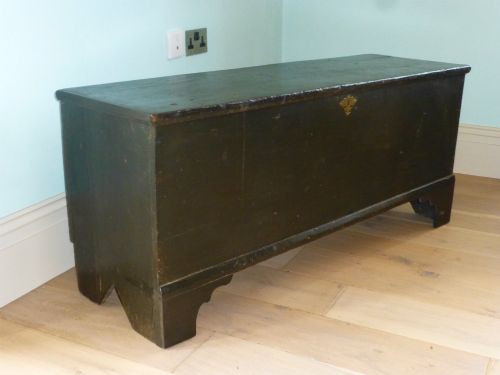
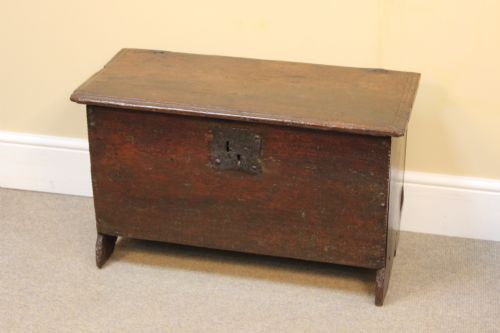
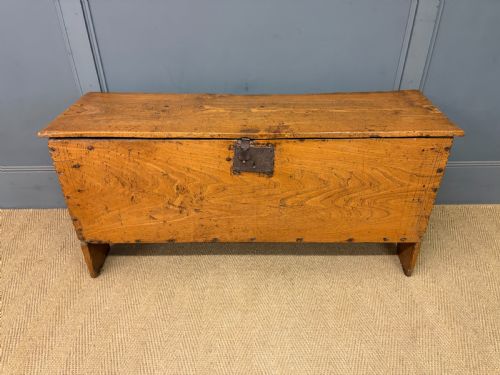
An antique planked coffer is a foundational storage piece built from thick vertical and horizontal boards joined simply without complex framing. When you search for this phrase, you find heavy utilitarian chests designed for domestic storage across centuries.
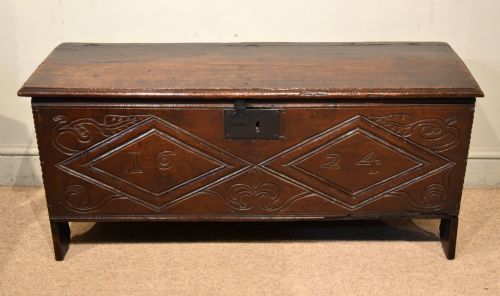
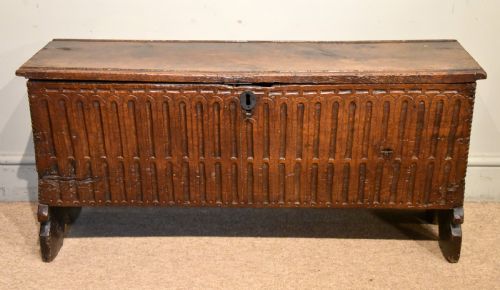
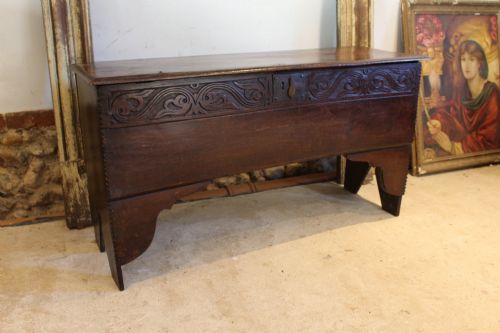
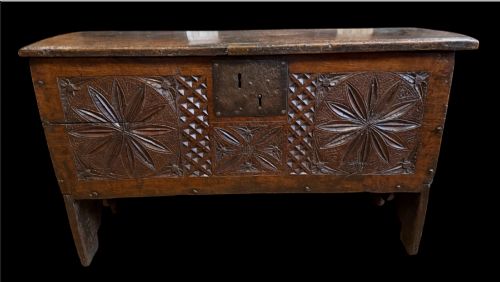
The most common examples on this page date from the seventeenth and sixteenth centuries, constructed predominantly from native timbers like oak and elm. These pieces range from plain six-plank constructions to carved or inlaid variants reflecting regional vernacular traditions.
Early regional pieces often display distinct local characteristics, such as the specific board widths and edge treatments found in Welsh or West Country examples. Their primary purpose was secure storage for linens, valuables or documents in domestic households.
What varies in quality
Quality depends upon the original selection of timber and the proportion of the boards relative to the overall scale of the chest. Substantial board thickness and minimal subsequent timber replacement distinguish superior survivals from heavily restored examples.
The integrity of the original ironwork, including hinges and lockinghasps, plays a major part in establishing the character of the piece. Untouched surface patination acquired through centuries of handling separates better examples from those stripped or overly refinished.
Antique Planked Coffer Retail Price Guide 2026
Typical asking prices for planked coffer among the pieces listed under this phrase on Sellingantiques today, from the lower quarter to the upper quarter. They describe what is for sale here now, not the wider market.
Early Welsh chest lids still carry the unmistakable ripple of the pit-saw where a carpenter laboured centuries ago.
Jack Grimble
The Antique Planked Coffer Glossary
- Six-plank coffer
- A chest constructed from exactly six principal boards forming the front, back, ends, bottom and lid. This method represents the earliest and simplest form of boarded furniture construction.
- Pollard oak
- Timber taken from trees that were pollarded, creating timber with dense, clustered knot formations and highly decorative grain patterns. This material appears on later Arts and Crafts interpretations.
- Vernacular furniture
- Domestic pieces made by local country joiners using regional materials and traditional designs rather than sophisticated metropolitan styles. These items reflect the practical needs of their immediate locality.
- Wrought iron
- Iron that has been heated and worked with hand tools by a blacksmith to produce structural hardware such as hinges and straps. It differs from cast iron by its fibrous internal structure.
Antique Planked Coffer: Frequently Asked Questions
What is an antique planked coffer?
An antique planked coffer is a heavy wooden storage chest constructed from thick boards joined at the edges. These pieces served as secure containers for household valuables and textiles.
They represent early domestic furniture traditions, relying on straightforward board construction rather than panelled framing. Their simple design made them essential items in early homes.
How old are these coffers?
The examples on this page span from the sixteenth century through to the nineteenth century. Early pieces date back to the Tudor and Elizabethan periods.
Later interpretations extend into the Arts and Crafts period of the twentieth century. Construction methods and timber choices help indicate the approximate age of each individual chest.
What woods were used?
Oak and elm are the primary timbers encountered in these early boarded chests. These native hardwoods provided the necessary strength and durability for heavy domestic use.
Secondary materials such as pine and pollard oak appear in later or regional pieces. Wrought iron and brass hardware were utilised for hinges and structural reinforcement.
How can I use one today?
These chests function effectively as blanket boxes, coffee tables or hallway storage units. Their robust construction allows them to support daily use while storing bulky household items.
Placing a coffer in a living space introduces historical texture and practical surface area. Their internal capacity remains as useful today as it was centuries ago.