


Antique Plan Chest
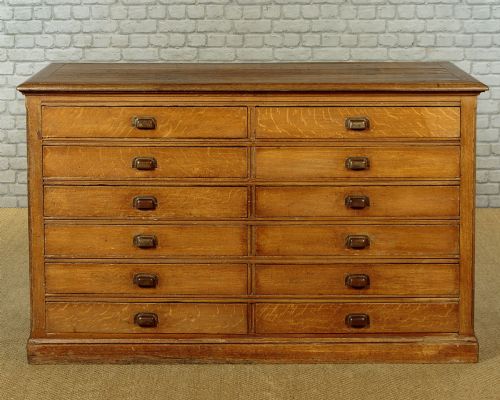
An antique plan chest provides deep, shallow drawers originally built for maps and drawings, offering sturdy storage with a utilitarian workspace aesthetic.
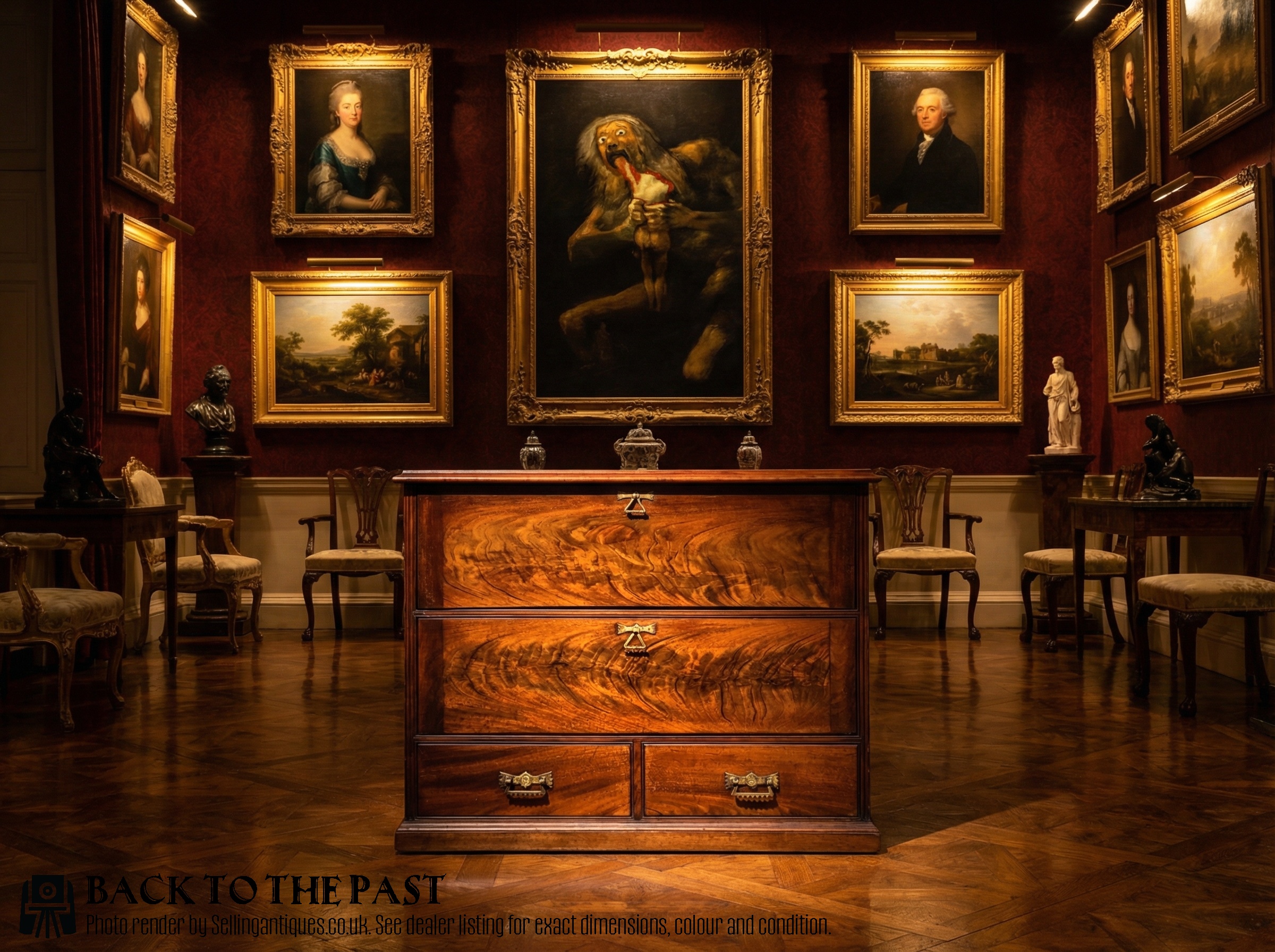
Forms and Origins
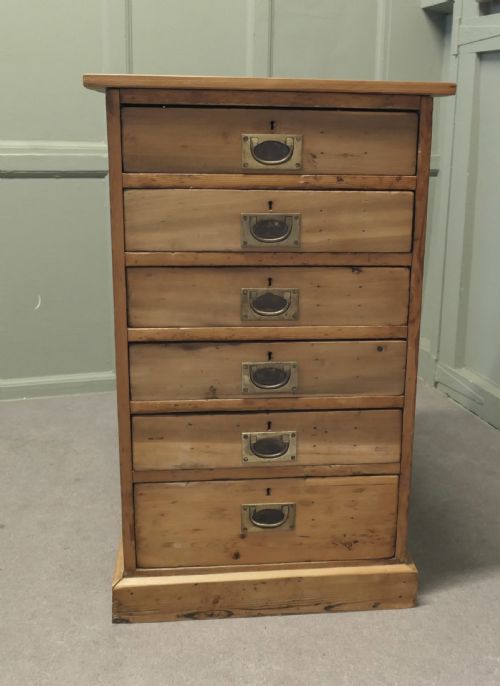
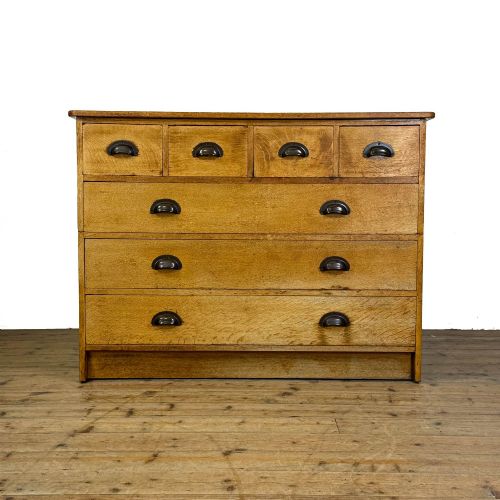
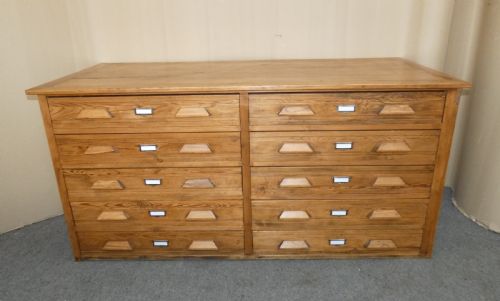
An antique plan chest serves as a robust storage solution designed for architects, artists, and collectors requiring flat, secure space for large sheets or small specimens. Buyers searching this phrase most frequently encounter multi-drawer variations built from pine, mahogany, or oak, often originating from the Victorian, Edwardian, or later nineteenth and early twentieth centuries.
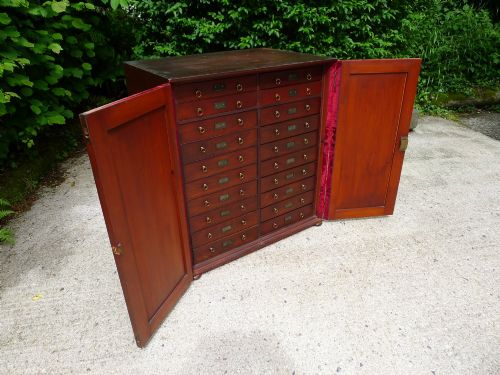
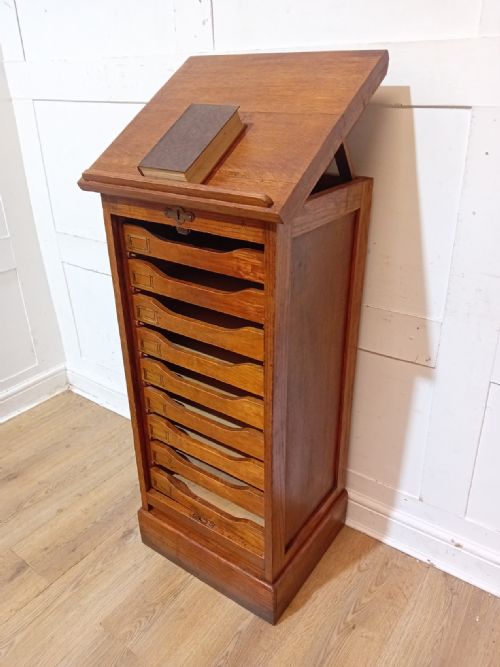
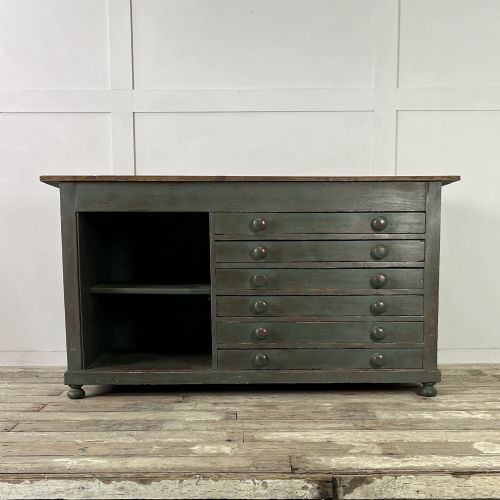
The archive records numerous iterations functioning as architect tables, collectors cabinets, and haberdashers drawers, alongside simpler plank chests from earlier centuries. Surviving examples reflect the practical demands of offices, studios, and workshops, ranging from large pine utility pieces to refined walnut and mahogany furniture.
While traditional plan chests prioritize wide, shallow banks of drawers, related forms on this page include specimen cabinets, filing drawers, and office cabinets. These variations demonstrate how professional storage adapted to different trades, from botanical collecting to textile merchandising.
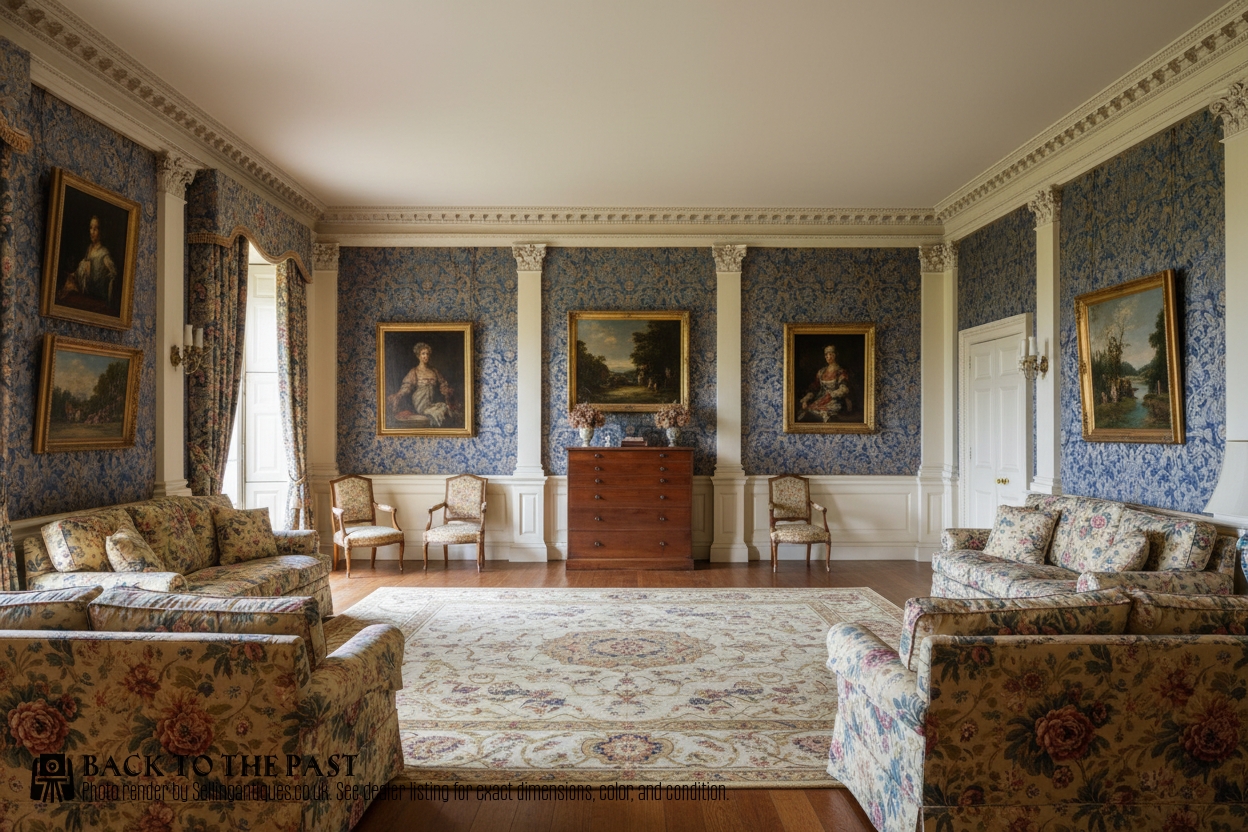
Materials and Construction
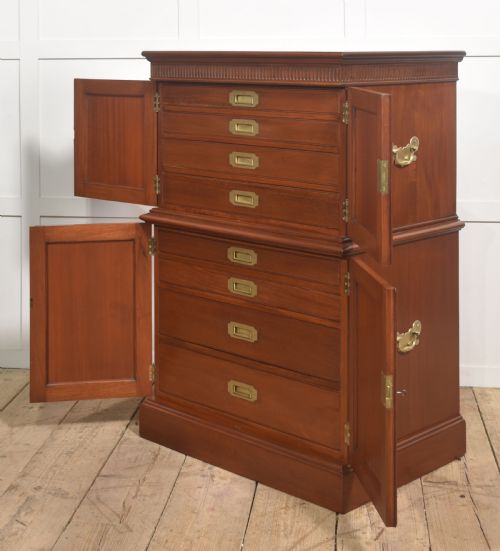
Joinery on these pieces relies on solid timbers such as pine, oak, elm, and red walnut, frequently complemented by flame mahogany veneer or fruitwood. Cabinetmakers utilised durable construction methods to withstand heavy daily use in drafting rooms and commercial settings.
Hardware details consist primarily of brass drawer pulls and handles, paired with metal fixtures designed to endure frequent opening of wide, heavy timber drawers. Painted finishes also appear on utilitarian pine variants meant for industrial or institutional environments.
Retail Price Guide 2026
Typical UK retail prices for plan chest, calculated from the Sellingantiques database of over a million retail prices indexed since 2003. This retail price guide relies exclusively on Sellingantiques data; no external sources or auction records are used, so the figures do not describe the wider market.
Listings feature woods including pine, oak, mahogany, elm, walnut, and fruitwood across Victorian, Edwardian, and nineteenth-century periods.
Standards of Execution
Quality separates along the lines of timber selection and secondary wood use, where dense hardwoods like oak and figured mahogany indicate superior workshop origin compared to basic utility pine. The choice of structural joinery and the integrity of the drawer runners dictate how smoothly these wide banks operate under weight.
Refinement in surface finish and brass hardware differentiates standard utilitarian office furniture from pieces bearing cabinetmaker attribution or decorative Arts and Crafts styling. Better examples maintain original patination and timber integrity across large side panels and multi-drawer carcases.
Shapland and Petter
The Antique Plan Chest Glossary
- Plan chest
- A large piece of furniture featuring multiple wide, shallow drawers specifically constructed to hold architectural drawings, maps, and large sheets of paper flat.
- Specimen cabinet
- A specialised storage unit containing numerous small drawers designed for organising natural history collections, fossils, or small artefacts.
- Haberdashery cabinet
- A retail storage fixture equipped with glazed or wooden pull-out drawers originally utilised in shops for displaying and storing textiles and haberdashery items.
- Six plank chest
- An early storage form constructed from six joined boards forming a simple box or coffer, often associated with seventeenth-century oak furniture.
- Flame mahogany veneer
- A decorative wood slicing technique displaying a distinctive, flickering flame pattern applied over a secondary timber carcase.
Frequently Asked Questions
What were antique plan chests used for originally?
These chests served architects, cartographers, and engineers who needed to store large blueprints, maps, and technical drawings completely flat without folding.
The shallow proportions of the drawers prevented valuable paper documents from curling or creasing over long periods of storage.
How do I tell a plan chest from a chest of drawers?
Plan chests are defined by their notably wide and shallow drawers, designed specifically for horizontal paper storage rather than folded garments or personal items.
They also tend to have greater depth and width relative to their height when compared to standard bedroom chests.
What woods are typical for these pieces?
Pine and oak appear frequently in utility and architectural examples, offering sturdy support for heavy drawer loads in working environments.
More formal or later iterations incorporate mahogany, walnut, fruitwood, and decorative veneers for professional offices and domestic spaces.
How can I integrate an antique plan chest into a modern home?
The wide flat top surface functions effectively as a sideboard, desk, or display area in living spaces, studies, and hallways.
The deep banks of drawers provide practical organisation for modern art supplies, paperwork, or clothing storage.