



Antique Pith Paper
Antique pith paper brings delicate, vibrant Chinese export painting straight to your walls.
Antique Pith Paper
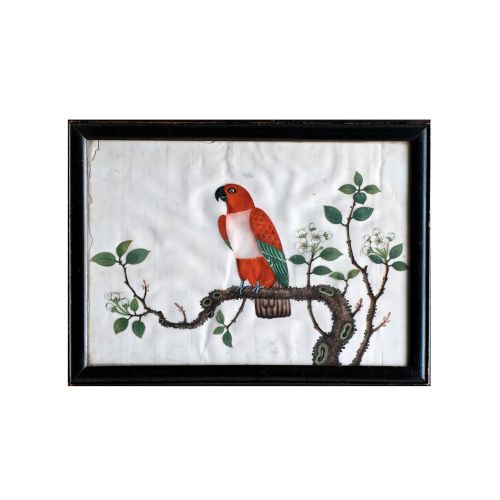
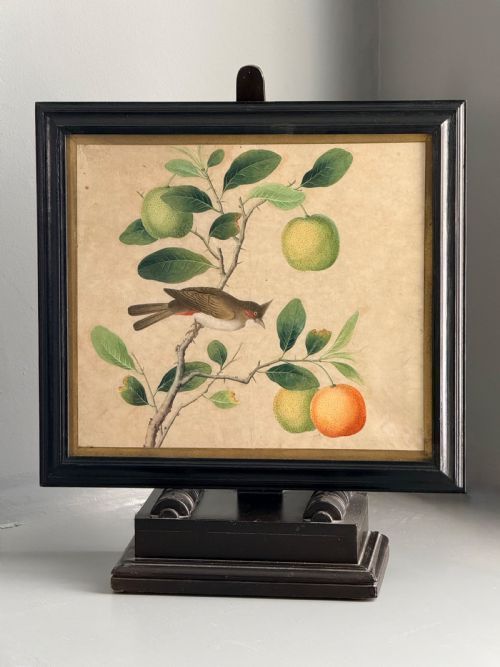
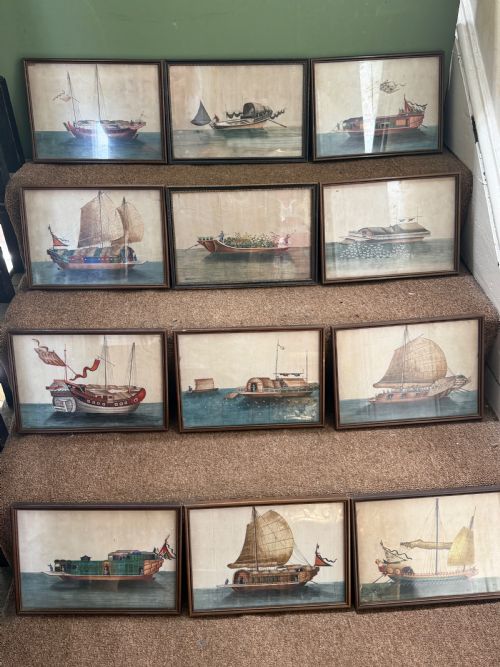
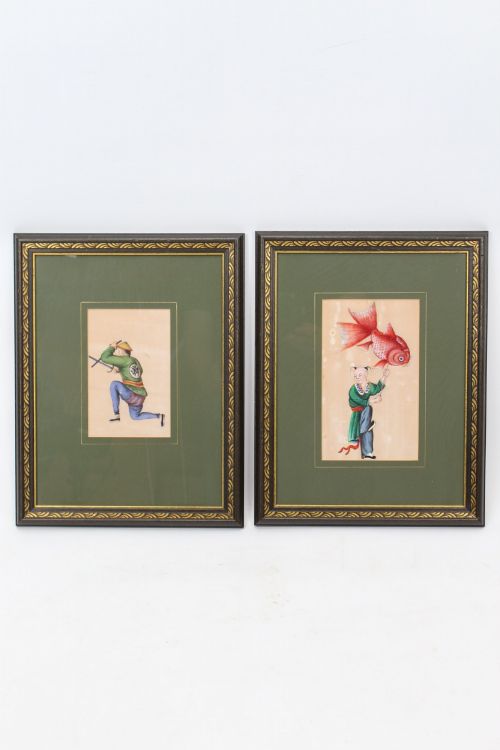
When you search for antique pith paper, you encounter fragile, highly decorative Chinese export artworks produced primarily during the nineteenth century. These pieces record scenes of daily life, butterflies, insects, and maritime subjects like junks, capturing historic trading interactions.
You are most likely to meet framed paintings and sets of watercolours or gouache works on this delicate medium. The listings on this page span the eighteenth century, the Regency period, the nineteenth century, and the Edwardian era.
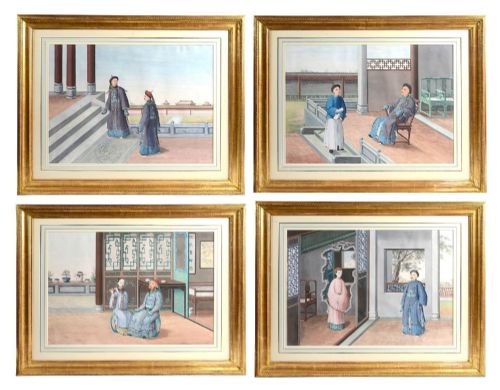
Many of these works arrive in coordinated sets of varying quantities, such as groups of six, twelve, or twenty-one individual paintings. They reflect Qing Dynasty export art intended predominantly for Western markets.
How they were made
Artists painted these works directly onto thin sheets of pith, a spongy plant material historically misnamed rice paper. This delicate substrate absorbs pigments deeply, creating a velvety texture and luminous surface finish.
Makers applied rich gouache and watercolour paints alongside ink to build up vibrant colour and fine detail. Many surviving examples retain their original glass and wood framing or early mountings to protect the fragile surface.
Antique Pith Paper Retail Price Guide 2026
Typical asking prices for pith paper among the pieces listed under this phrase on Sellingantiques today, from the lower quarter to the upper quarter. They describe what is for sale here now, not the wider market.
Nineteenth century artists painted microscopic beetles and butterflies on pith paper so delicately that the insects appear ready to flutter off the page.
What varies in quality
The sophistication of the brushwork and the complexity of the composition separate standard decorative items from superior examples. Finely rendered figural studies and detailed depictions of butterflies and insects demonstrate higher artistic skill.
Condition and completeness significantly influence the character of these works, given the inherent fragility of the material. Intact sets with strong, unfaded pigments and secure period frames represent the higher tier of surviving pieces.
The Antique Pith Paper Glossary
- Pith paper
- A delicate, spongy material sliced from the pith of the Tetrapanax papyrifer plant, used as a painting surface in nineteenth century China and often mistakenly called rice paper.
- Gouache
- An opaque watercolour paint composed of pigment mixed with a water-binding agent and added white filler, providing the dense, matte colour seen across these export paintings.
- Chinese Export
- Artworks and decorative objects manufactured in China specifically for export to Western markets, particularly during the Qing Dynasty.
- Qing Dynasty
- The last imperial dynasty of China, ruling from sixteen forty-four until nineteen twelve, which encompasses the dates of nearly all painted pith works found here.
Antique Pith Paper: Frequently Asked Questions
What is antique pith paper?
Antique pith paper is a fragile, spongy plant material used as a painting surface in nineteenth century China. Artists applied vibrant watercolours and gouache to create detailed export paintings.
These historic works frequently depict figural scenes, flora, fauna, and maritime vessels for Western buyers. They survive today as delicate framed artworks and mounted sets.
How were these paintings used?
Nineteenth century merchants and travellers acquired these paintings in Canton and other trading ports as souvenirs of China. They were typically assembled into bound albums or framed for display in Western homes.
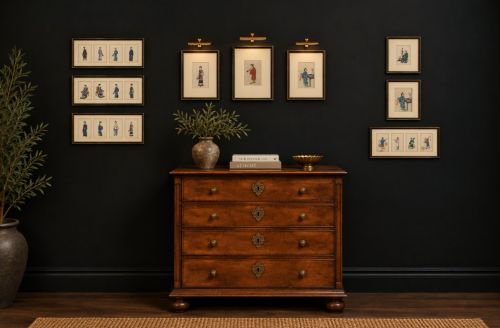
Today, collectors hang these framed watercolours on walls to showcase their vibrant colours and historic subject matter.
How do I care for pith paper?
Protect these delicate paintings from direct sunlight and high humidity to prevent the pith substrate from cracking and the pigments from fading. Keeping them sealed behind glass preserves their fragile structure.
Avoid hanging them in damp rooms or areas with fluctuating temperatures, as the organic material reacts strongly to environmental changes.
How do I identify Qing Dynasty export art?
Qing Dynasty export art is identified through its distinct combination of traditional Chinese subjects rendered for Western tastes. The use of pith paper and specific gouache palettes helps date these pieces to the nineteenth century.
Examining the framing, backing materials, and style of the brushwork provides further clues to their origin during this imperial era.