


Antique Pink Ceramic Dish
When you search for an antique pink ceramic dish, you are looking at hand-painted serving pieces, bowls, and plates spanning several centuries of porcelain and earthenware production.
Antique Pink Ceramic Dish
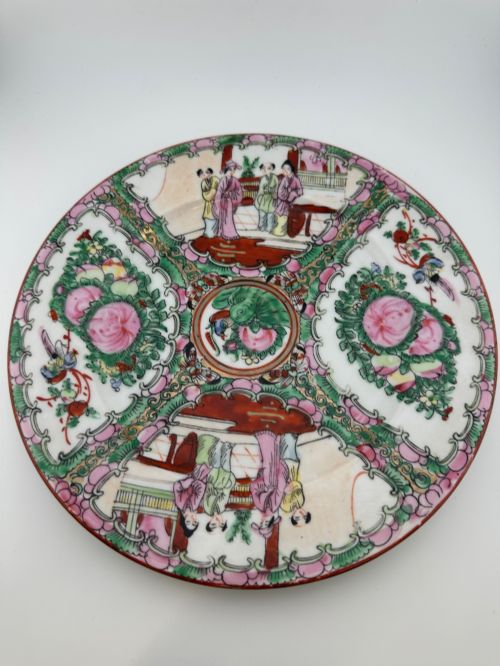
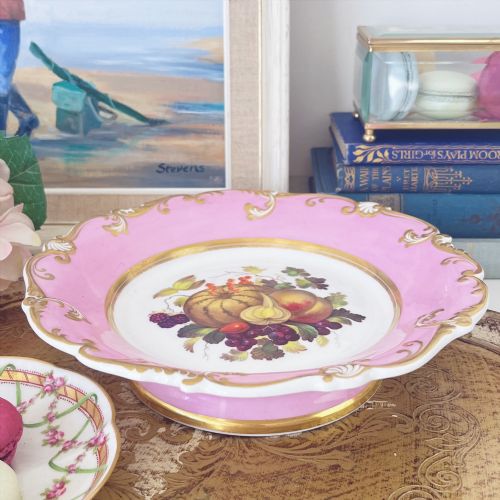
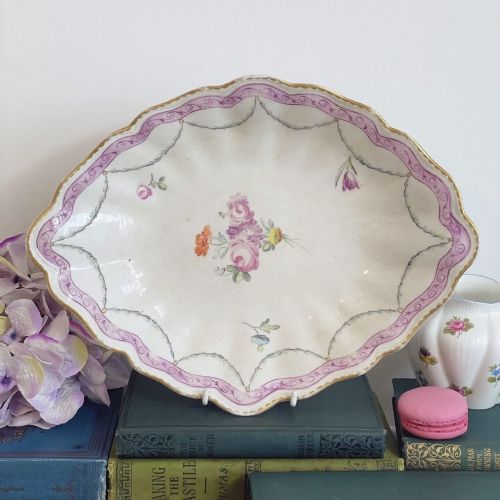
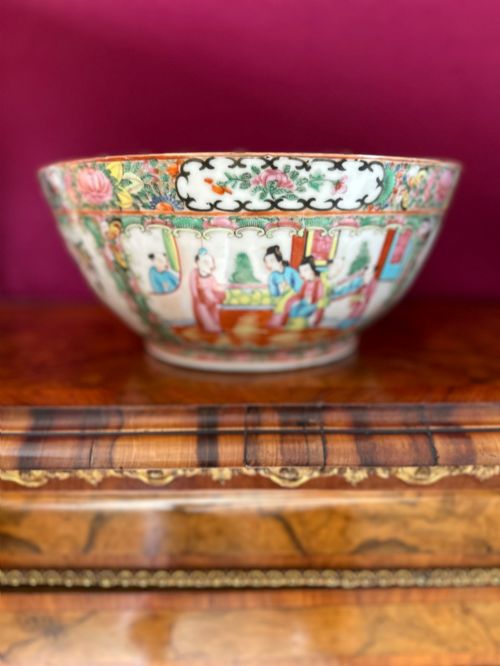
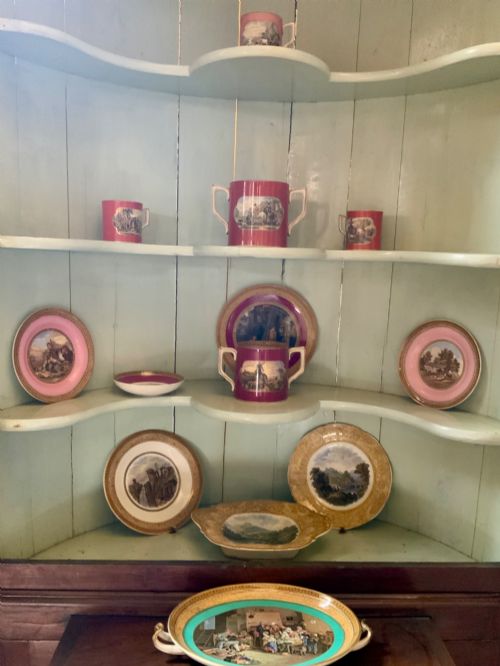
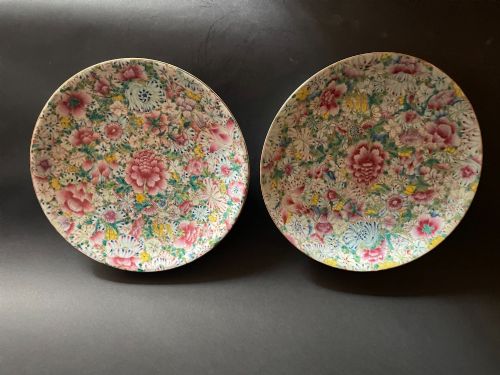
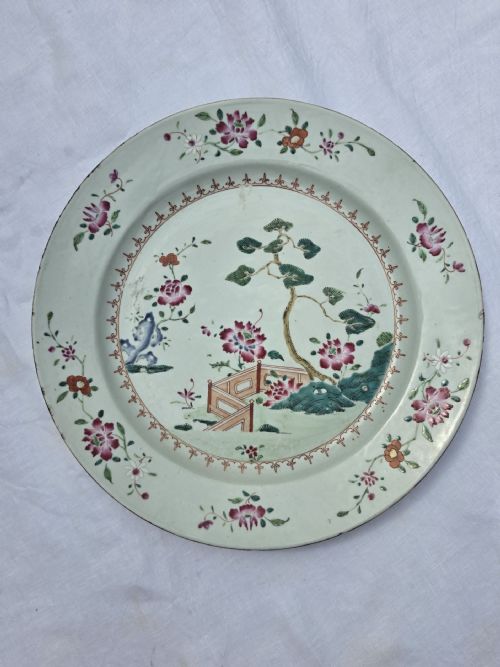
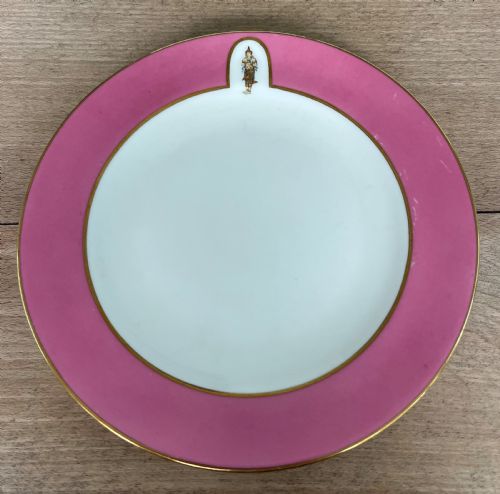
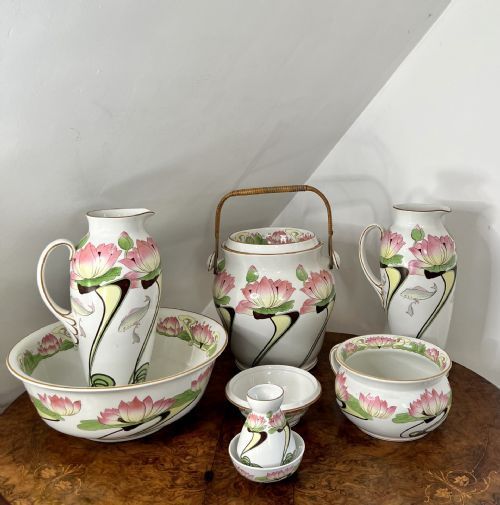
An antique pink ceramic dish encompasses a variety of forms such as dessert plates, footed comports, and serving platters produced across the eighteenth and nineteenth centuries. The pieces on this page originate from English factories, European potteries, and Chinese export kilns, reflecting diverse regional styles from the Georgian period onward.
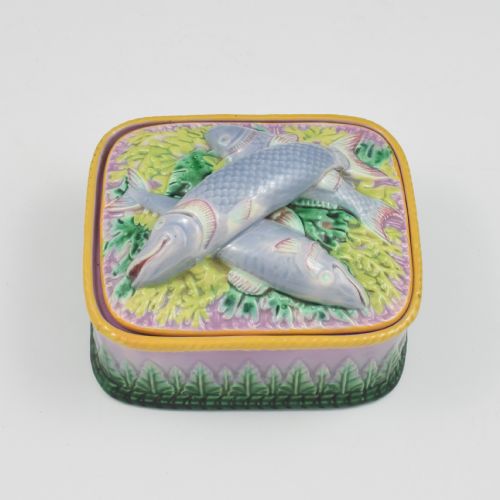
Buyers will encounter specific forms like shell-shaped sweetmeat stands, majolica sardine boxes, and large chargers with pink grounds or polychrome decoration. These items served functional dining purposes or functioned as decorative centrepieces in historic households.
How they were made
Potters utilised hard-paste porcelain, earthenware, and felspar porcelain, shaping them into plates, bowls, and specialised dishes. Kiln firing fixed the ceramic bodies before artisans applied glazes and hand-painted pigments.
Decoration relied on skilled brushwork for floral, landscape, and figural scenes, often enhanced with gilding, gold leaf, or enamel highlights. Certain wares, such as majolica, employed moulded relief modelling beneath coloured lead glazes.
The listings span multiple centuries, incorporating eighteenth-century Chinese export porcelain alongside nineteenth-century English earthenware and twentieth-century decorative centrepieces.
What varies in quality
Quality rests upon the precision of the hand-painted detail and the clarity of the ceramic body, whether fine translucent porcelain or heavier earthenware. Superior examples demonstrate accomplished brushwork by named artists or established factory standards.
The sophistication of the palette and the preservation of gilded highlights or enamel layers distinguish finer productions from standard commercial wares of the period.
H & R Daniel·Derby·Cauldon Ltd·Worcester·Spode·Wedgwood·Royal Worcester·Kornilov Brothers·George Jones·Minton·Chamberlain Worcester·Royal Dux
The Antique Pink Ceramic Dish Glossary
- Comport
- A raised serving dish or tazza used for fruit or sweetmeats at dessert. These pieces often stand on a central foot.
- Famille Rose
- A palette of Chinese porcelain decoration distinguished by opaque pink enamel introduced in the eighteenth century. The style depicts floral, bird, and figural scenes.
- Enamel
- Opaque glass fused to pottery or porcelain through firing. It provides vibrant colours for hand-painted details.
- Ground
- The main background colour of a ceramic piece. A pink ground provides the solid backdrop for painted panels or floral reserves.
Antique Pink Ceramic Dish: Frequently Asked Questions
How were these pink dishes used?
These ceramic items functioned primarily as tableware for serving desserts, fruits, or side dishes during formal meals. Many larger examples served as centrepieces or decorative chargers displayed on dining tables and sideboards.
Over time, some plates and bowls transitioned into purely decorative objects housed in cabinets or mounted on walls. Their intricate hand-painted designs made them centrepieces of interior display in wealthy households.
How do I identify the period of a ceramic dish?
Dating relies on examining factory marks, backstamps, and the specific style of decoration employed on the ceramic body. Eighteenth-century pieces often display hand-painted blue underglaze marks, whereas nineteenth-century items may feature impressed or printed factory ciphers.
Material composition also indicates age, as early soft-paste porcelain differs visibly from later hard-paste porcelain or felspar bodies. Stylistic cues, such as the characteristic motifs of the Regency or Art Nouveau eras, further narrow down the date of manufacture.
Can I use antique dishes for daily dining?
Using antique ceramic tableware for everyday meals is generally discouraged due to the fragility of historic glazes and hand-painted enamels. Modern dishwashers and cutlery can easily scratch the soft surfaces or damage delicate gilding accumulated over centuries.
Gentle hand washing with mild soap preserves the integrity of the fragile pigments and ceramic bodies. Most collectors prefer to use these pieces for display or light occasional service rather than regular daily dining.
What does pink ground mean on porcelain?
A pink ground refers to a solid background colour applied across the surface of a porcelain plate, bowl, or comport. This coloured field serves as the backdrop for reserve panels containing hand-painted flowers or landscapes.
Factories applied this technique during the eighteenth and nineteenth centuries to create striking visual contrast with gilded borders and polychrome motifs. The depth and evenness of this ground colour often indicate the skill of the porcelain manufacturer.