


Antique Pine Ottoman
These antique pine ottoman pieces offer practical storage and robust timber character, combining domestic utility with the warmth of nineteenth-century craftsmanship.
Antique Pine Ottoman
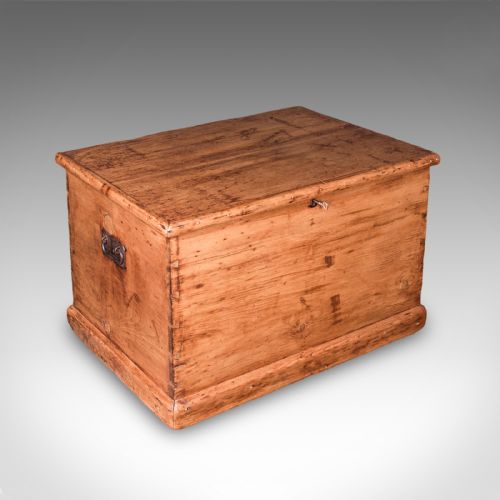
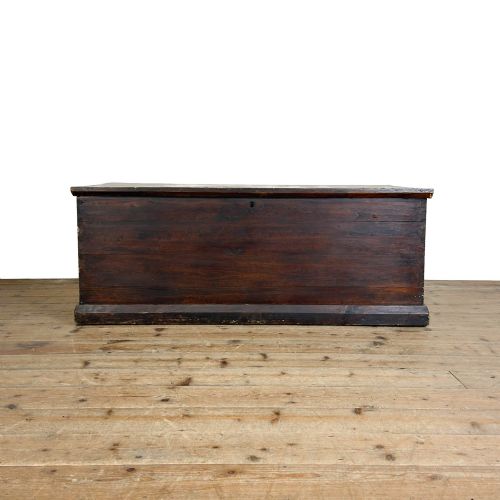
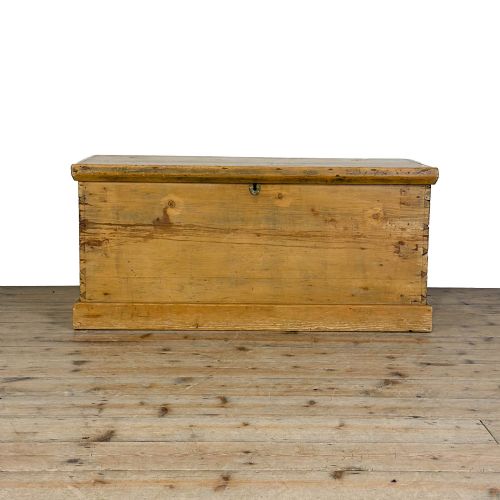
When you search for an antique pine ottoman, you are looking at sturdy wooden boxes and chests designed to store blankets, textiles, and household goods. The listings here primarily comprise Victorian and Edwardian examples, ranging from simple storage boxes to mule chests fitted with internal drawers.
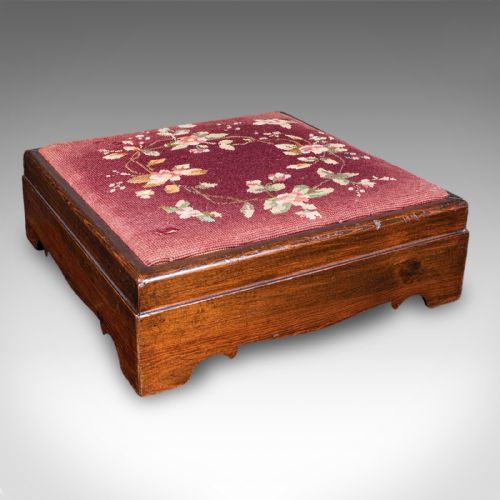
You will encounter pieces described variously as blanket boxes, kists, storage trunks, and occasional footstools or coffee tables. These utilitarian objects were built for everyday service in bedrooms, hallways, and fireside settings across British homes.
The dominant forms date from the nineteenth century, utilising solid pine and pitch pine timbers. Many retain their original proportions, while some low and wide boxes have been adapted for modern domestic use as coffee tables.
Materials and construction
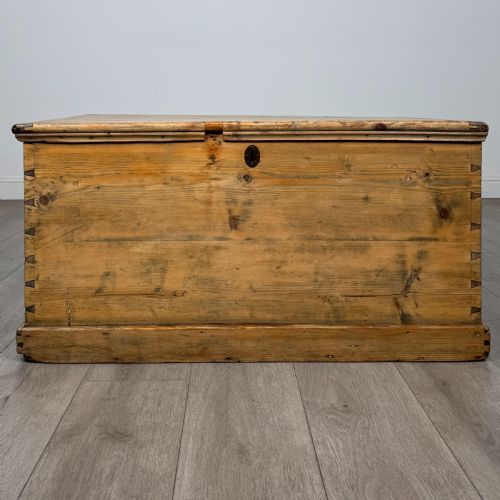
Construction relies heavily on solid pine and pitch pine, selected for accessibility and strength in domestic furniture. Carpenters joined these panels using traditional methods to withstand heavy daily use in busy households.
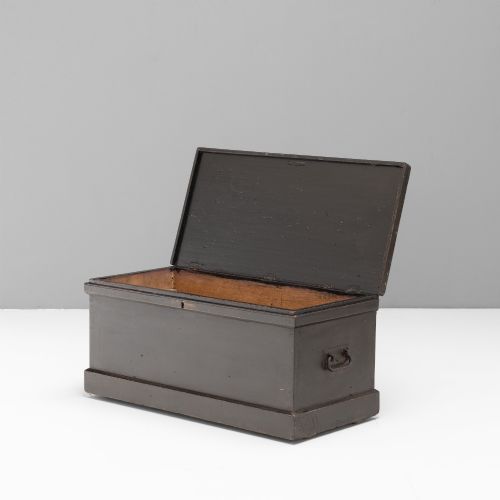
Metal hardware such as iron and brass appears on handles, hinges, and working locks to secure the lids and aid mobility. Some examples feature painted surfaces, while others show waxed or polished finishes that highlight the natural grain of the timber.
A solitary nineteenth-century box recorded in the archive once arrived lined with felt, ready to protect delicate textiles.
What separates the finest examples
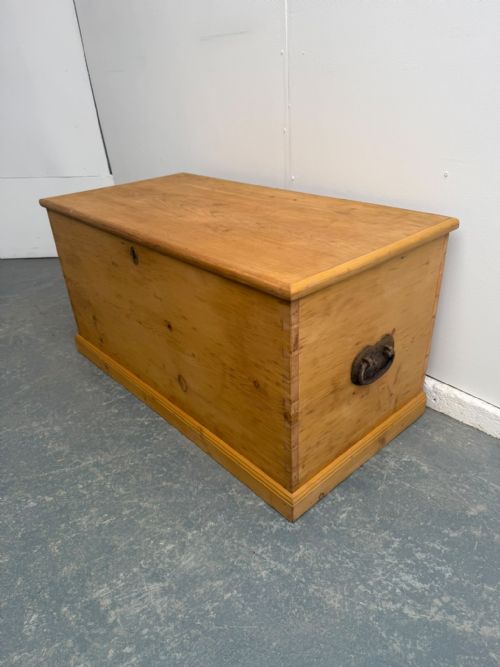
Quality in these pieces rests upon the thickness of the timber, the integrity of the joinery, and the retention of original hardware like side lifting handles and working locks. Thicker pine boards and dovetail construction indicate a higher grade of box built for longevity.
The Antique Pine Ottoman Glossary
- Mule chest
- A storage chest featuring one or more drawers beneath the main lift-top compartment. This form bridges the gap between a simple blanket box and a full chest of drawers.
- Kist
- A traditional regional term for a heavy wooden chest or box used for storing valuables and linens. It reflects the sturdy vernacular woodworking traditions of the British Isles.
- Pitch pine
- A dense, resinous variety of pine timber known for its pronounced grain pattern and durability. It provides a harder surface than standard white pine.
- Till
- A small internal compartment or lidded box built into the corner of a larger trunk for holding small items. These compartments are often found in better quality nineteenth-century chests.
- Fireside stool
- A low upholstered seat designed to sit near a hearth. Examples in this category often utilise pitch pine frames beneath fabric or wool coverings.
Antique Pine Ottoman: Frequently Asked Questions
What is an antique pine ottoman?
An antique pine ottoman is a nineteenth-century or early twentieth-century wooden storage chest, box, or upholstered footstool made from pine timber. These pieces were originally used in homes to store blankets, garments, and household linens.
Today, they function as versatile living room tables, hallway benches, and practical storage containers that bring rustic character to modern interiors.
How were these trunks used originally?
In Victorian and Edwardian households, these chests served primarily as heavy-duty storage for heavy woollens, bed linens, and personal possessions. Their robust construction allowed them to double as seating or luggage.
Many featured side lifting handles so servants or family members could transport the heavy wooden boxes from room to room or house to house.
How do I date a pine chest?
Dating relies on examining the construction methods, hardware, and timber characteristics visible on the piece. Nineteenth-century examples often display hand-cut joinery, iron or brass hinges, and deep wax patination on the pine.
Later pieces from the early twentieth century may show machine-cut elements and simpler internal fittings while retaining traditional solid wood construction.
Can I use an antique chest as a coffee table?
Low and wide pine boxes are frequently utilised as coffee tables in contemporary homes. Their flat tops provide a stable surface for books and daily objects while concealing internal storage space.
When selecting a box for this purpose, check the height and proportion to ensure it matches your seating arrangements.
What is the difference between a mule chest and a blanket box?
A standard blanket box consists of a single lidded compartment accessed from the top. A mule chest incorporates one or more drawers beneath the main lifting lid.
This addition of drawer storage makes mule chests slightly more complex pieces of vernacular furniture.