




Antique Pillow Bag
An antique pillow bag brings authentic tribal weaving into a modern interior, offering a portable slice of nomadic history to live with every day.
Antique Pillow Bag
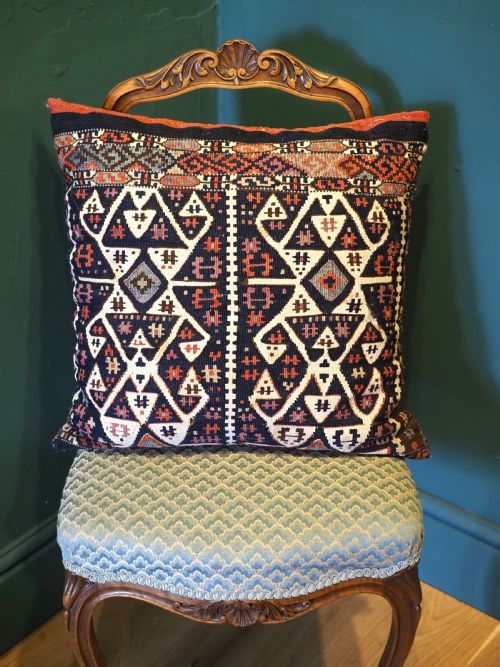
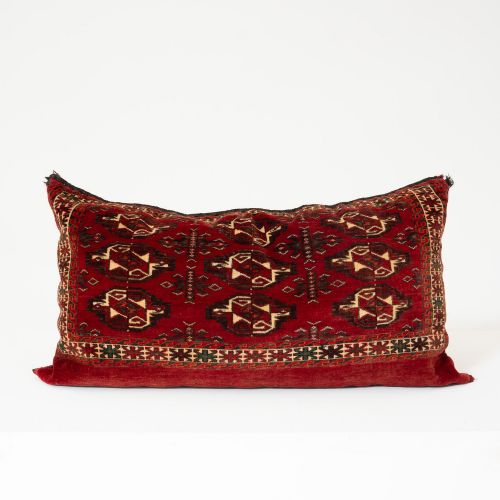
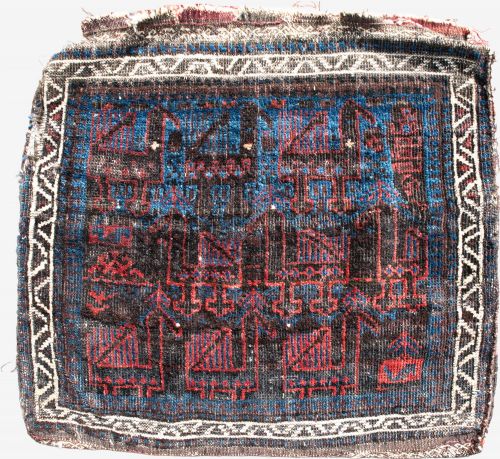
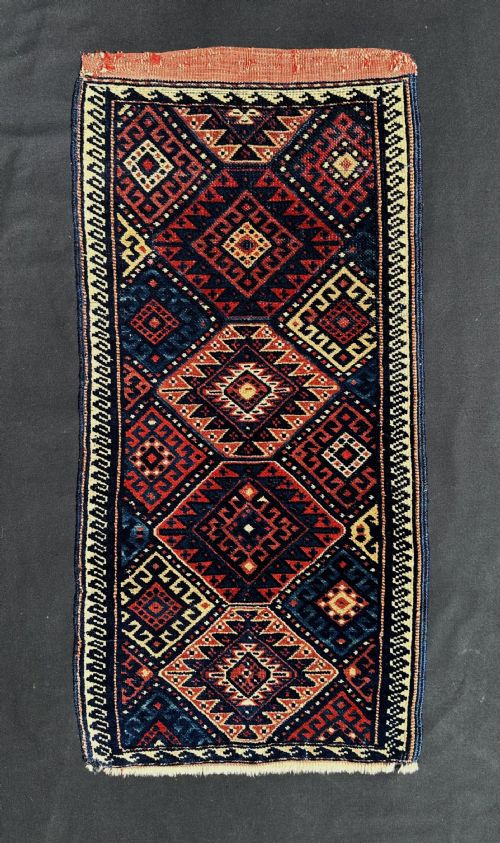
An antique pillow bag originates from nomadic and village traditions across Persia, Anatolia, and Central Asia, serving practical daily functions for storage and transport before entering the decorative market. These textiles include bag faces, torbas, chuvals, and saddlebags that have often been adapted into cushions for domestic use. When searching for an antique pillow bag, buyers encounter varied tribal artistry spanning the nineteenth and early twentieth centuries.
The pieces available on this page reflect distinct regional groups, such as the Turkmen, Baluch, Qashqai, Shahsevan, and Ersari tribes. Their formats range from small storage bags and grain containers to complete pairs of saddlebags and individual cushion faces. Each item displays the characteristic motifs and structural formats handed down through generations of weavers.
What varies in quality
Quality in an antique pillow bag rests upon the handle of the wool, the saturation and depth of the natural dyes, and the crispness of the tribal design execution. Superior pieces exhibit tight knotting or fine flatweave tension, maintaining structural integrity across the field and borders.
The completeness of the piece also dictates standing, whether it retains its original plain weave back, side cords, and full borders. Expressive drawing in the tribal guls or medallions separates standard utility items from exceptional examples of nomadic artistry.
Antique Pillow Bag Retail Price Guide 2026
Typical asking prices for pillow bag among the pieces listed under this phrase on Sellingantiques today, from the lower quarter to the upper quarter. They describe what is for sale here now, not the wider market.
Many of these bags outlived the camels and horses that originally carried them across Persian plains.
The Antique Pillow Bag Glossary
- Torba
- A small Turkmen storage bag traditionally used inside a yurt for holding household goods or personal items. They often feature prominent guls and expert pile work.
- Chuval
- A large Turkmen tent-storage bag designed for blankets and heavy possessions. These pieces usually display multiple rows of primary guls.
- Balisht
- A traditional Persian term for a pillow or small sleeping cushion. Balisht-faces represent the decorated front panels repurposed for domestic display.
- Gul
- A repeating medallion or floral-derived motif used extensively in Turkmen and Central Asian tribal weaving. Each tribal group utilises distinct gul variations to denote lineage.
- Kilim
- A flatweave textile produced by tightly interweaving warp and weft strands without creating a pile. Shahsevan and Turkish makers employed this technique for durable storage containers.
Antique Pillow Bag: Frequently Asked Questions
What is an antique pillow bag?
An antique pillow bag is a repurposed nomadic textile, such as a torba, balisht-face, or saddlebag, originally woven for storage in tents and later converted into a decorative cushion.
These items preserve the traditional patterns and hard-wearing wool construction of nineteenth-century tribal makers from Persia and Central Asia.
How were these bags used?
Nomadic groups utilised these bags to store grain, bedding, clothing, and personal belongings during seasonal migrations or inside permanent dwellings.
They were hung against tent walls, packed onto pack animals as saddlebags, or stacked to organise the interior living space.
How do I live with them?
Antique pillow bags function well as decorative cushions on sofas, beds, or chairs, adding texture and rich earthy tones to contemporary interiors.
Because they are constructed from durable hand-spun wool and natural dyes, they withstand normal domestic use when handled with reasonable care.
How do I tell tribal styles apart?
Tribal styles are distinguished by their specific structural formats, colour palettes, and repeating motifs such as Turkmen guls or Baluch prayer designs.
Examining the weave type, whether pile or flatweave, alongside regional wool characteristics helps identify origins from areas like Khorassan, Fars, or Azerbaijan.