


Antique Pill Container
These pocket-sized vessels span the Georgian, Victorian and Edwardian eras, offering a tangible link to personal grooming habits of the past.
Antique Pill Container
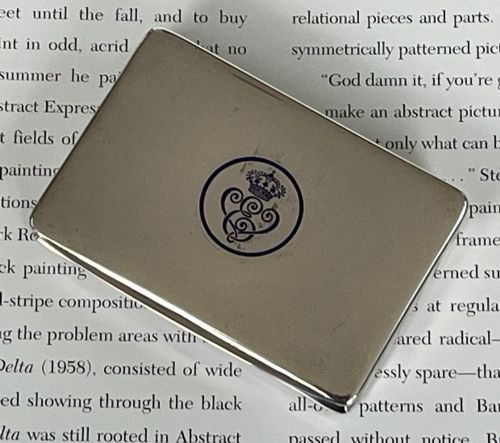
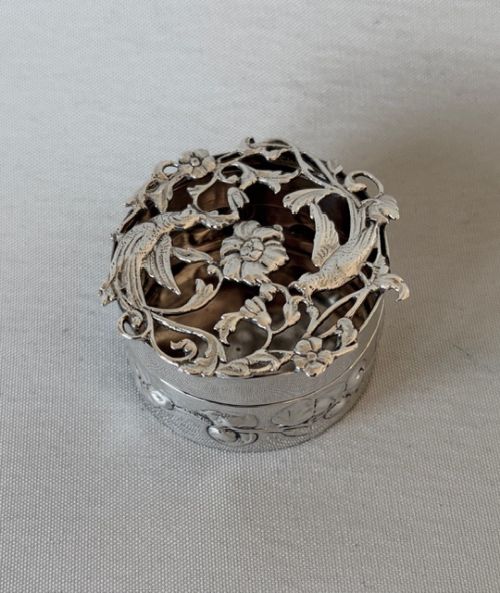
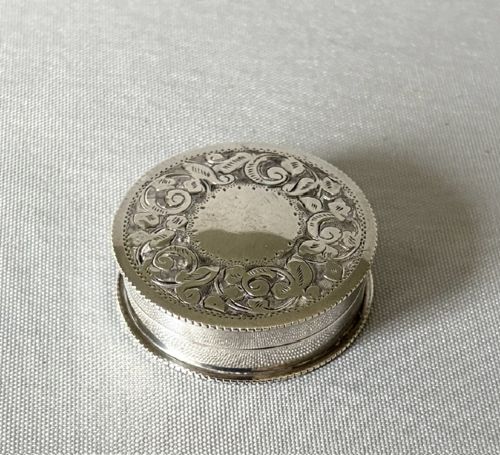
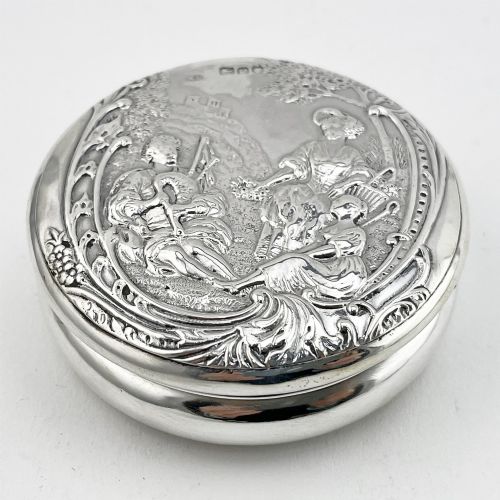
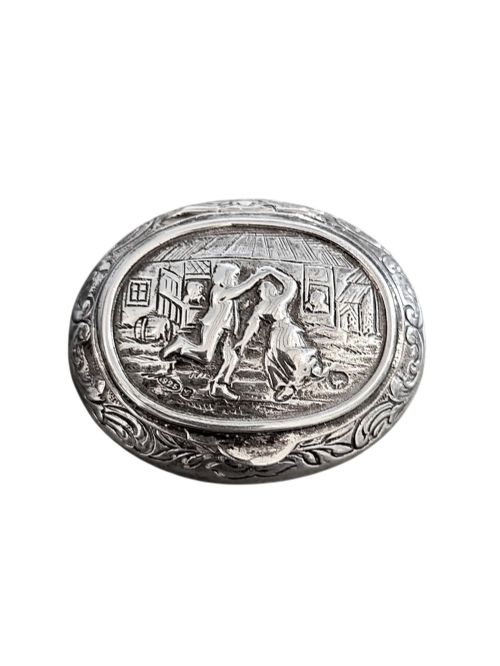
When you search for an antique pill container, you encounter a variety of small lidded receptacles originally designed to hold medicinal doses, snuff or small valuables. The selection on this page leans heavily towards silver and base metal pieces from the nineteenth and early twentieth centuries.
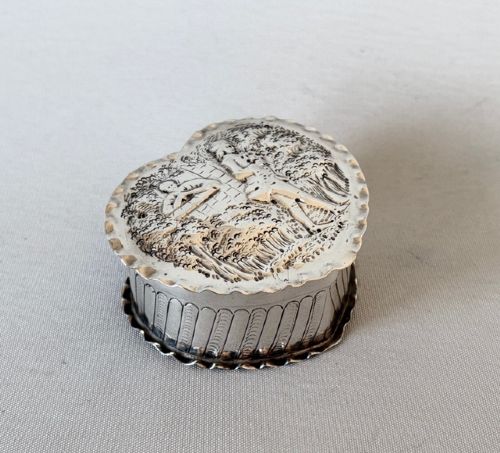
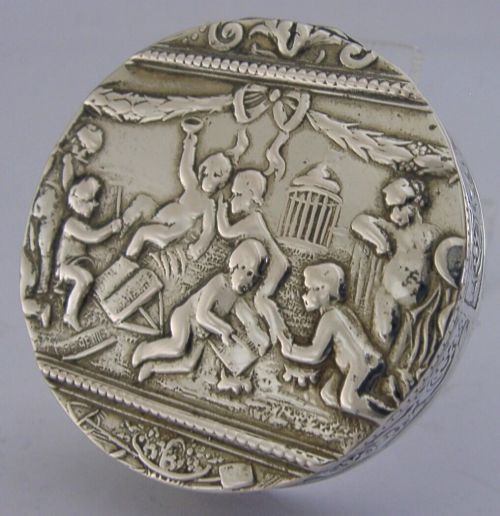
Makers of the period also utilised organic materials such as tortoiseshell, horn, walnut, specimen woods and abalone shell alongside ceramics and glass. Forms range from simple round and oval boxes to novelty shapes including fish, birds and figural cherub scenes.
Many of these items overlap functionally with snuff boxes, trinket boxes and vinaigrettes, reflecting how portable containers served multiple domestic and personal purposes. Georgian and Victorian examples predominate, accompanied by Edwardian and early twentieth-century pieces.
Materials and manufacture
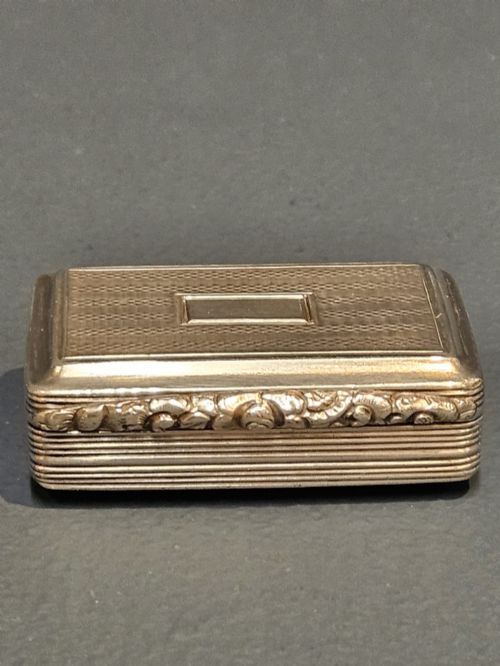
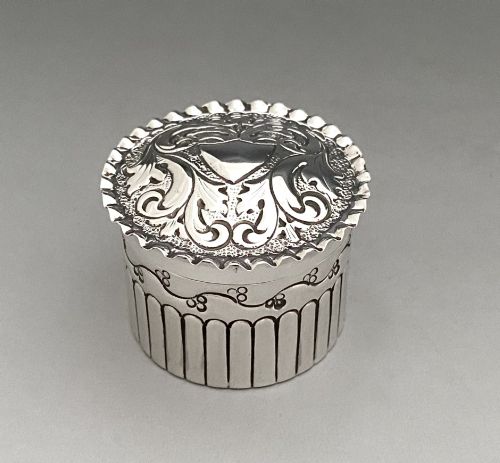
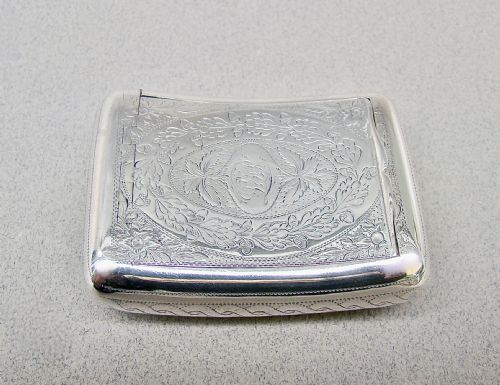
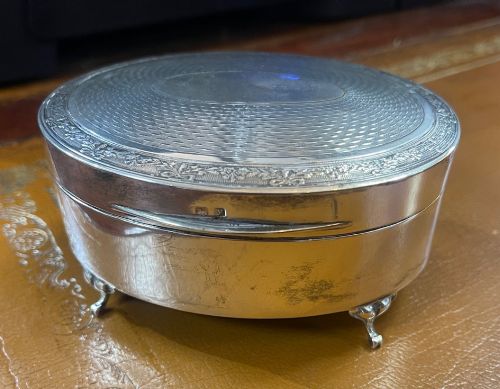
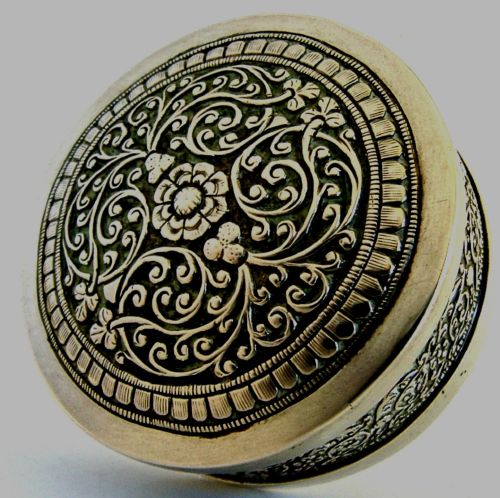
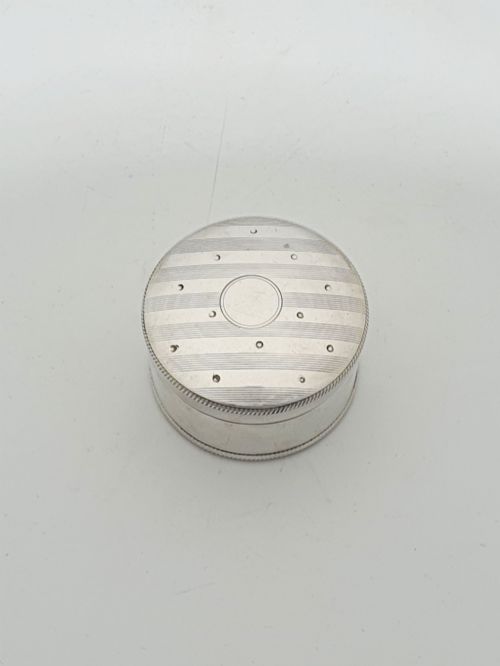
Sterling silver and solid silver construction forms the backbone of these pieces, often decorated with engine turning, repoussé work, chasing or crisp engraving. Smiths employed techniques like silver gilt to line the interior, protecting the metal from corrosive contents such as salts and medicines.
Organic substances like tortoiseshell and mother of pearl were meticulously shaped and inlaid into metal frames, sometimes utilising intricate pique work. Glass and porcelain vessels featured enamel decoration and hand-painted motifs, while turned woods displayed natural grain patterns.
Hinges and closures required precision engineering to ensure lids fitted snugly and remained secure in a pocket or reticule. Specialised makers applied hallmarks to silver items to denote the assay office, year and maker.
Antique Pill Container Retail Price Guide 2026
Typical asking prices for pill container among the pieces listed under this phrase on Sellingantiques today, from the lower quarter to the upper quarter. They describe what is for sale here now, not the wider market.
The listings here span the 18th, 19th and 20th centuries, featuring materials from sterling silver and brass to walnut, tortoiseshell and enamel.
Assessing quality and execution
The distinction between ordinary and superior pieces rests on the crispness of the chasing, the weight of the metal and the precision of the hinge mechanism. Fine silver examples display sharp, hand-cut details rather than soft, worn stamped patterns.
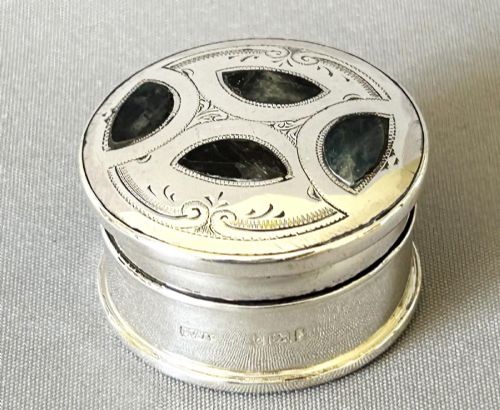
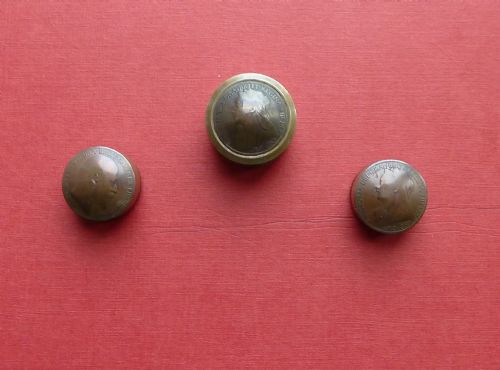
Material selection significantly influences the tier of an object, with high-grade tortoiseshell, pristine enamel work and unusual novelty forms commanding greater attention. The integration of contrasting materials, such as pique inlay or inset coins, demonstrates higher workshop skill.
FA Barrett·Robert Thornton·Carter Frome·Asprey And Co·George Adam Scheid·John Bettridge·Elkington And Co·William Eaton·Edme Samson Of Paris·Hermes Paris
The Antique Pill Container Glossary
- Engine turning
- A mechanical decoration technique producing intricate geometric patterns of fine engraved lines on metal surfaces. This method was widely used on silver boxes to catch the light.
- Vinaigrette
- A small hinged box featuring an internal perforated grille designed to hold a sponge soaked in aromatic vinegar. These were carried to counteract unpleasant odours in public spaces.
- Pique work
- A method of decorating tortoiseshell or ivory by inlaying tiny points or strips of gold and silver. Artisans pressed these heated metal pins into the organic base to form delicate motifs.
- Pyx
- A small round container traditionally used to hold sacramental bread, though secular versions occasionally appear for small valuables. They usually feature secure screw or hinged lids.
- Repoussé
- A metalworking technique where the artisan hammers the metal from the reverse side to form a raised design in relief. Details are subsequently refined from the front using chasing tools.
Antique Pill Container: Frequently Asked Questions
What were antique pill containers used for?
These small boxes held medicinal pills, lozenges or powders that individuals needed to carry throughout the day for health maintenance or breath freshening.
They also served as portable receptacles for snuff, small trinkets or scented vinegars, reflecting the personal care habits of Georgian and Victorian society.
How do I date a silver pill box?
British silver pieces usually carry hallmarks that indicate the assay office, standard of silver and a specific date letter corresponding to the year of manufacture.
Foreign items rely on maker marks, style markers such as Art Nouveau curves, or accompanying documentary evidence to establish a timeframe.
Are novelty pill boxes rare?
Novelty containers shaped as animals, fish or figural scenes were produced in smaller quantities than standard round or rectangular boxes.
Their survival rate varies, but imaginative designs naturally attract greater interest from collectors seeking unusual conversational items.
How should I clean antique silver boxes?
Gentle dusting with a soft cloth is usually sufficient to remove surface dirt without disturbing the natural patina accumulated over decades.
Avoid harsh chemical dips, particularly on pieces with enamel, gilt interiors, tortoiseshell or organic inlays that require specialised preservation.