






Antique Pile Rug
An antique pile rug carries the heavy wool and vegetable dyes of tribal weavers across Persia, Anatolia, and Central Asia.
Antique Pile Rug
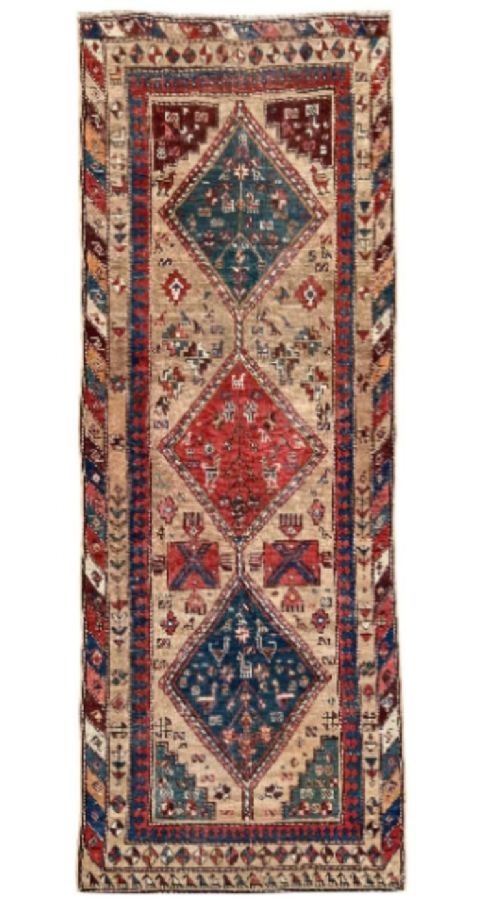
An antique pile rug is a woven textile featuring a dense surface of knotted wool, created by nomadic and village communities for daily utility and decorative warmth. These pieces span the nineteenth and early twentieth centuries, encompassing tribal formats from Turkmen asmalyks to Anatolian runners and Persian village carpets.
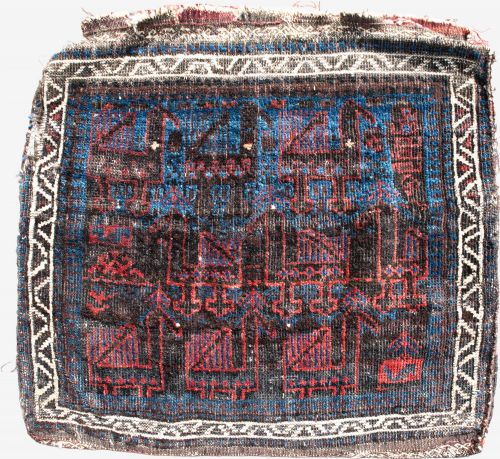
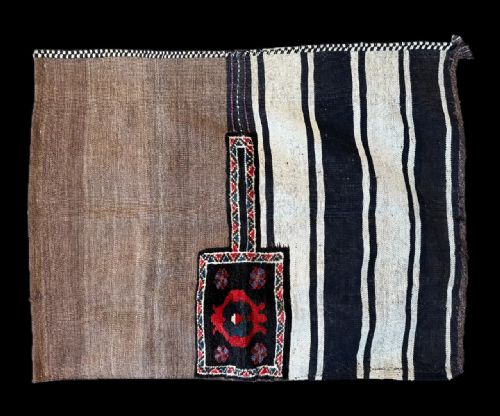
The varieties found here range from large room-size Bidjar carpets to small utilitarian items such as wheat-sacks, spindle bags, and tent bands. Buyers encounter regional expressions including Caucasian Kuba runners, Qashqai tribal weaves, and Uzbek yurt rugs.
Makers utilised traditional regional motifs, such as Turkmen guls and Persian tribal patterns, rendered in thick, tactile wool structures. Each rug reflects the specific nomadic or settled culture of its origin, retaining the character of village life from the eighteen-eighties to the nineteen-thirties.
How they were made
Weavers constructed these textiles primarily from hand-spun wool foundations and pile, often combined with cotton for structural stability. The yarns received colour from natural dyes, producing deep, enduring tones that mellow gracefully over decades.
Production methods involved knotting wool yarn onto warps and wefts, sometimes weaving pieces in narrow strips later joined together, as seen in specific yurt rugs and tent bands. The resulting dense pile provided insulation against cold floors and harsh climates.
Antique Pile Rug Retail Price Guide 2026
Typical asking prices for pile rug among the pieces listed under this phrase on Sellingantiques today, from the lower quarter to the upper quarter. They describe what is for sale here now, not the wider market.
The selection includes pieces dated across the nineteenth and early twentieth centuries, spanning wool, cotton, and natural dye materials.
What varies in quality
Quality rests upon the density of the knotting and the integrity of the wool, which dictate how well the pile resists foot traffic and retains its tactile richness. Superior pieces maintain a thick, full pile across the entire surface rather than localized thinning.
The vibrancy and depth of the natural dyes significantly influence the visual merit of the piece, alongside the precision and clarity of tribal designs. Structural originality, such as complete borders, tassels, and intact plain-weave backs on bags, elevates the standing of a textile.
The Antique Pile Rug Glossary
- Pile
- The raised surface of a rug formed by the ends of knotted yarn standing upright from the foundation. This dense wool layer provides the primary texture and warmth of the textile.
- Gul
- A primary medallion or octagonal design motif frequently employed by Turkmen and Central Asian weavers. These repeating motifs often signify specific tribal lineages and regional identities.
- Asmalyk
- A traditional pentagonal trapping produced by Yomut Turkmen groups, historically mounted on the flank of a wedding camel. These pieces exhibit elaborate pile work and often feature decorative tassels.
- Tacheh
- A utilitarian wheat-sack woven by Luri-Bakhtiari tribes in Western Persia for grain storage and transport. They combine durable flatweave structures with dense pile faces.
- Runner
- A long, narrow carpet format designed to fit hallways, corridors, or tent interiors. These pieces appear frequently in Anatolian and Caucasian traditions.
Antique Pile Rug: Frequently Asked Questions
How do I care for an antique pile rug?
Vacuum gently without using a rotating brush roll to protect the delicate wool fibres and knotted pile. Keep the textile out of direct, harsh sunlight to preserve the integrity of natural dyes.
Rotate the rug periodically to ensure even wear across high-traffic areas. Professional cleaning tailored for antique textiles should occur only when necessary to remove deep soil.
Where were these rugs made?
These textiles originate from regions spanning Anatolia, the Caucasus, Persia, and Central Asia. Nomadic tribes and village communities produced them for domestic utility, ceremonial use, and personal warmth.
Specific provenances include the Chahar Mahal region in Western Persia, the Kuba area in the Caucasus, and nomadic encampments of Turkmen and Qashqai groups.
How can I tell tribal rugs apart?
Examine the specific structural motifs, such as Turkmen guls, Qashqai field patterns, or Caucasian geometric borders. Different tribes utilised distinct colour palettes derived from local natural dye sources.
Consider the format and construction techniques, such as narrow woven strips in Uzbek yurt rugs or pentagonal shapes in Turkmen asmalyks, which point to specific cultural origins.
What is a tent band?
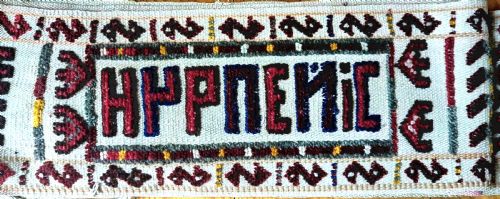
A tent band is a long, narrow textile woven by nomadic groups to structurally secure the lattice framework of a yurt or tent. These pieces often feature dense pile work or intricate patterning.
Fragmentary survivals of these bands demonstrate the portable artistry utilised by Central Asian nomads in daily domestic architecture.