





Antique Pile Carpet
These antique pile carpet pieces bring warmth and rich pattern into a room, drawing on centuries of nomadic and village weaving traditions.
Antique Pile Carpet
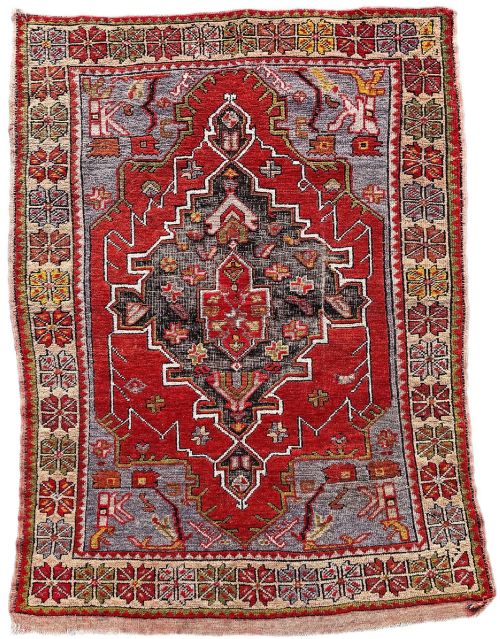
When you search for an antique pile carpet, you encounter heavy woven floor coverings and tent furnishings created across Persia, Anatolia, the Caucasus, and Central Asia. The items on this page span from the nineteenth century into the early twentieth century, reflecting diverse regional cultures.
You meet various specific forms here, including substantial room-size carpets, narrow runners, nomadic yurt rugs, and utilitarian bags like asmalyks and spindle bags. Tribal weaving traditions from groups such as the Qashqai, Yomut, Tekke, and Quchan Kurd dominate the selection.
Format ranges from full-piled heavy wool rugs to fragments of tent bands and specialised storage pieces. Each object preserves the distinct tribal motifs and structural methods of its makers.
Materials and construction
Makers constructed these textiles predominantly using wool for the dense pile and foundation structures, supplemented by cotton in specific regional types. Dyed yarn and natural dyes provided the palette for intricate geometric and tribal patterns.
Certain nomadic pieces, such as Uzbek yurt rugs, involved weaving narrow strips together to form a wider surface. Other items combine heavy pile areas with flat-weave backs or include original tassels.
Antique Pile Carpet Retail Price Guide 2026
Typical asking prices for pile carpet among the pieces listed under this phrase on Sellingantiques today, from the lower quarter to the upper quarter. They describe what is for sale here now, not the wider market.
Listings feature items from the nineteenth century, 1900, 1910, 1920, and 1930, utilising wool, cotton, and natural dyes.
Distinctions in quality
Quality rests in the density of the pile and the integrity of the weave, separating robust everyday floor coverings from finer decorative examples. Well-preserved pieces retain a thick, heavy pile that protects the foundation structure underneath.
The sophistication of the natural dyes and the precision of the tribal designs dictate the visual strength of each textile. Uniformity in construction, whether woven in strips or as a single field, marks superior craftsmanship.
The Antique Pile Carpet Glossary
- Pile
- The upright yarn loops or tufts that form the soft surface of a carpet. This layer provides cushioning and displays the primary design.
- Gul
- A repeating medallion or octagonal motif characteristic of Turkmen and Central Asian weaving. Each tribal group utilised distinct variations of these patterns.
- Asmalyk
- A pentagonal trapping traditionally hung on the flank of a camel during Turkmen wedding processions. These decorative pieces often feature elaborate pile work and tassels.
- Runner
- A long, narrow carpet format designed for corridors or specific architectural spaces. These pieces maintain a greater length relative to their width.
- Tegerich
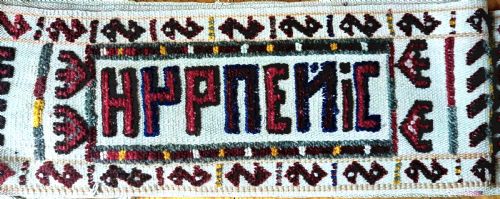
- A piled tent band produced by nomadic groups to secure yurt structures. Surviving examples often appear as fragments displaying intricate geometric patterning.
Antique Pile Carpet: Frequently Asked Questions
How do I clean an antique pile carpet?
Gentle surface brushing and professional specialist cleaning are essential for maintaining wool and natural dye textiles. Avoid household detergents or excessive moisture that can weaken historical fibres.
Regular rotation prevents uneven wear from foot traffic and sunlight exposure. Proper placement away from direct heat sources preserves the natural oils in the wool.
Where were these carpets made?
The pieces originate from regions across Persia, the Caucasus, Anatolia, and Central Asia. Nomadic tribes and village workshops produced them for domestic use or ceremonial purposes.
Each geographic area developed distinct structural techniques and colour palettes. Identifying these regional traits helps determine the origin of a specific weaving.
What is a yurt rug?
Yurt rugs are heavy floor coverings made by nomadic communities to insulate portable dwellings. They often feature robust wool piles designed to withstand daily camp life.
Some examples were constructed by weaving narrow strips together and joining them lengthwise. This method allowed weavers to create larger surfaces on portable looms.
How do I identify tribal designs?
Tribal designs rely on repeating geometric motifs, animal forms, and specific medallion structures unique to each weaving group. Motifs such as guls indicate particular lineages and geographic traditions.
Examining the border patterns, structural materials, and colour combinations provides further clues to the maker's identity. Comparing specific design layouts against documented regional examples clarifies attributions.