



Antique Pier Furniture
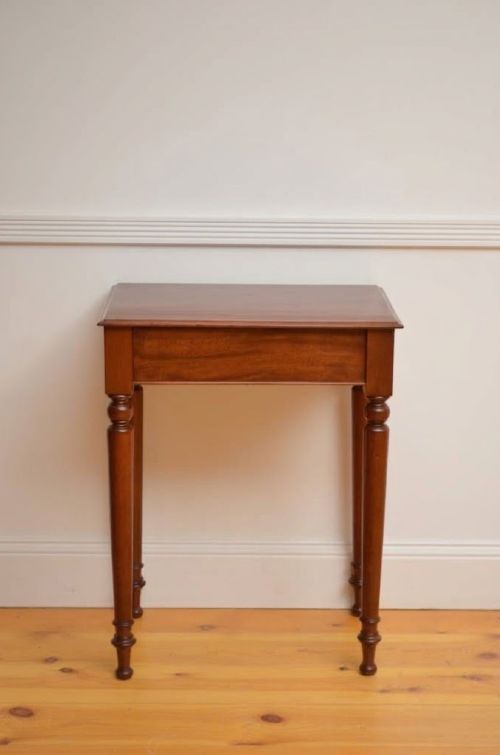
These antique pier furniture pieces range from console tables to side cabinets, offering architectural presence and surface space for a room.
Antique Pier Furniture
When you search for antique pier furniture, you encounter items designed to sit against the architectural pier of a wall, typically between windows. The selection includes console tables, side cabinets, display cabinets, and bookcases spanning the eighteenth, nineteenth, and early twentieth centuries.
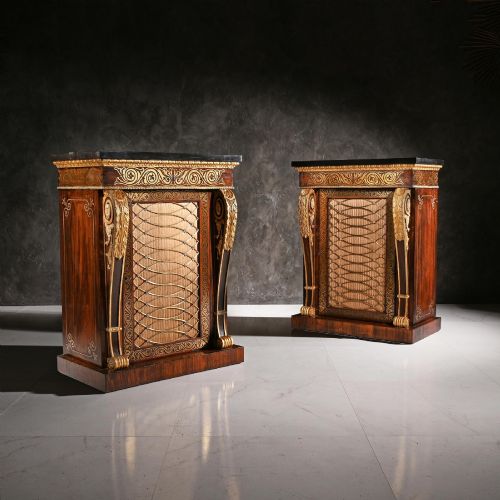
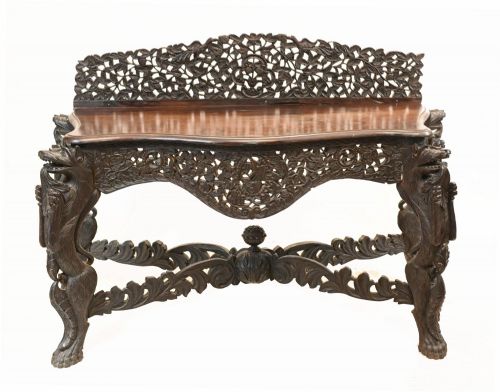
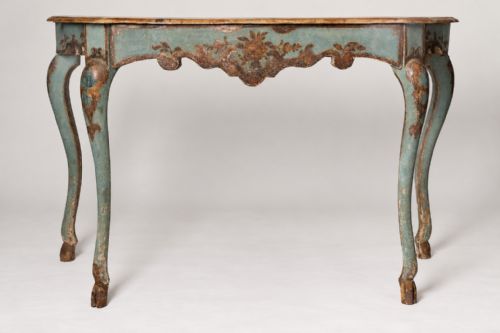
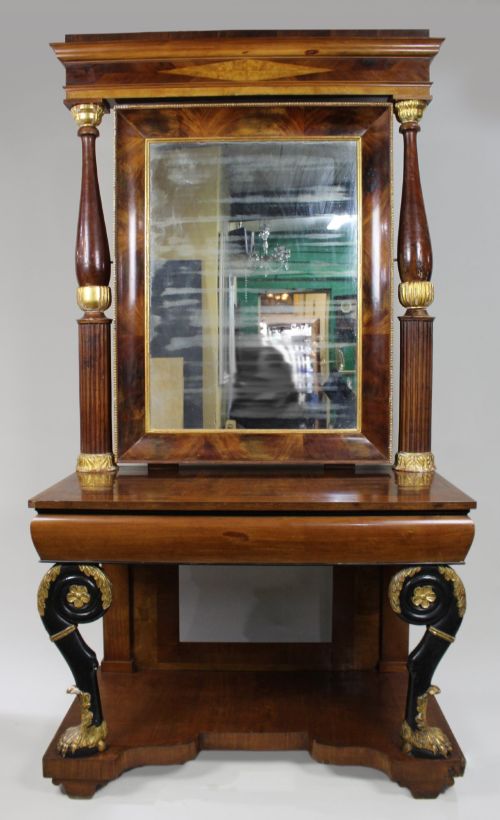
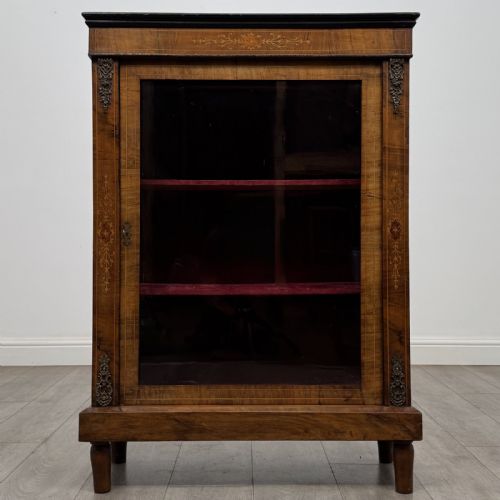
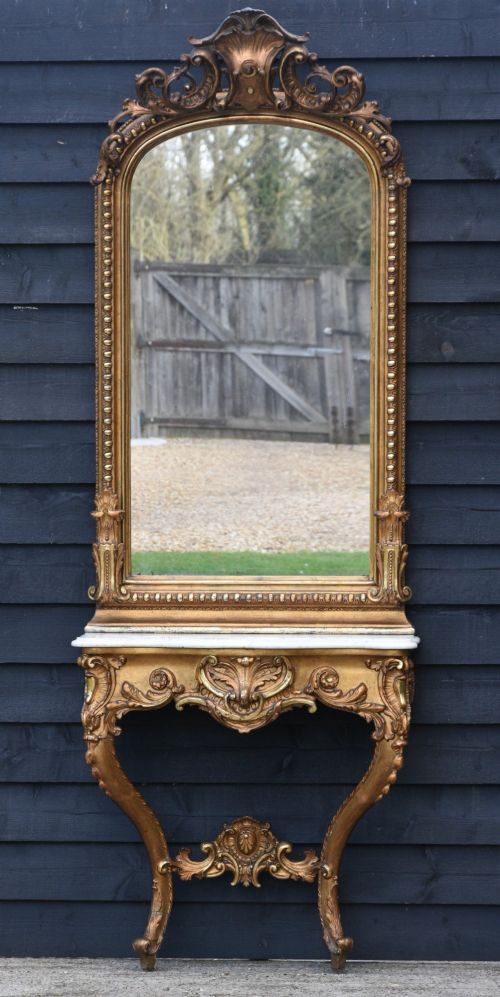
Console tables and associated pier mirrors appear frequently alongside narrow side cabinets in mahogany, rosewood, walnut, and giltwood. These forms reflect historical European interiors from English Regency to French Empire, Italian Neoclassical, and Victorian periods.
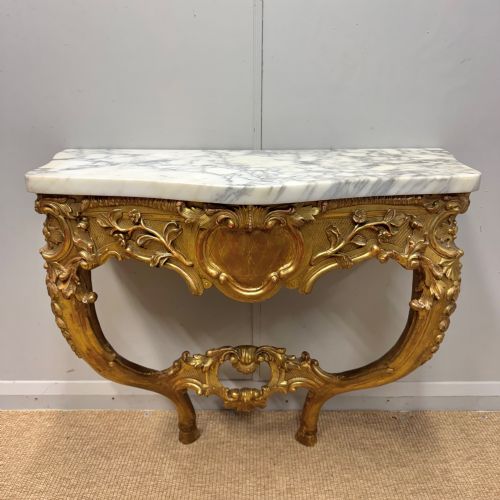
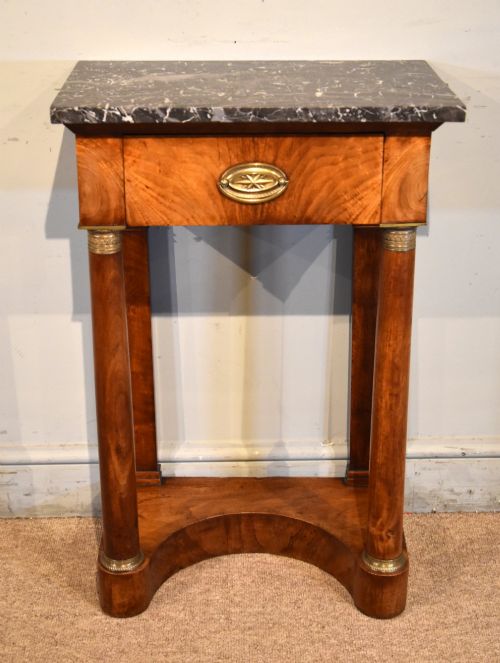
The objects serve both decorative and functional purposes, often incorporating fitted marble tops and parcel gilt or painted finishes. Surviving examples demonstrate the scale and proportion required for formal nineteenth-century reception rooms and parlours.
Materials and construction
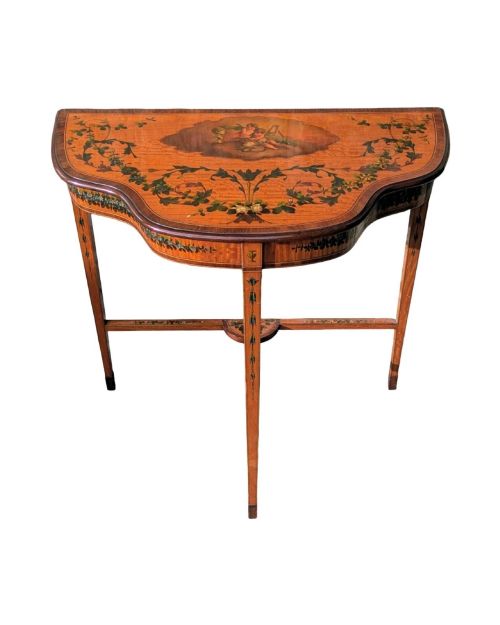
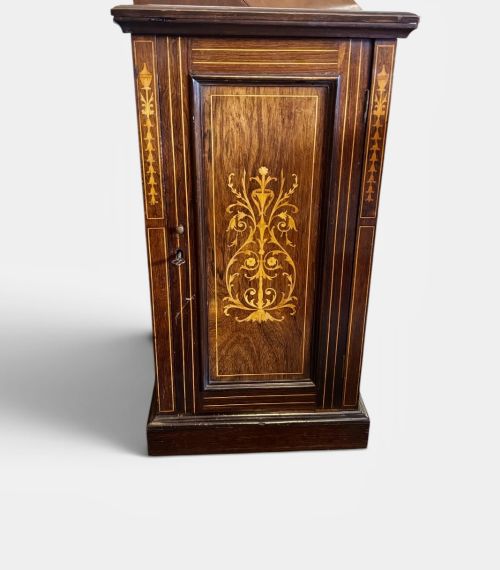
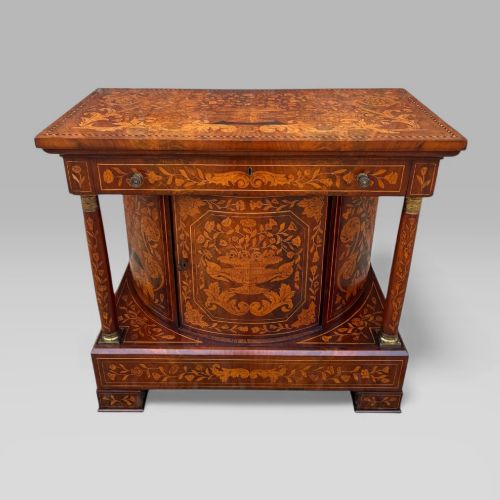
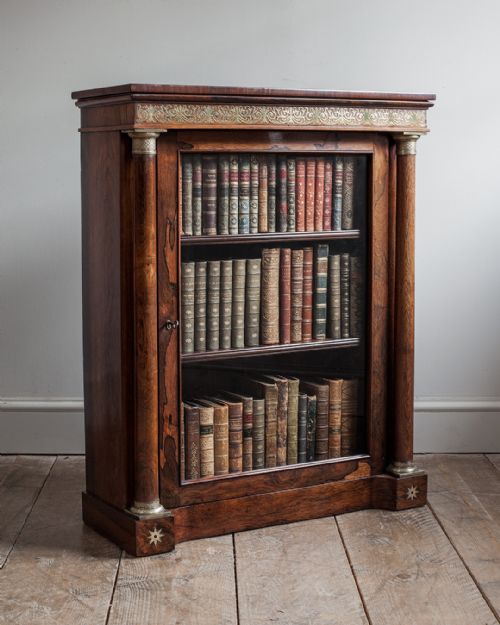
Cabinet makers utilised dense hardwoods such as mahogany, rosewood, and walnut, often applying veneers, marquetry, or brass inlay to create surface pattern. Frames and console bases frequently employ carved giltwood, parcel gilt, or painted finishes.
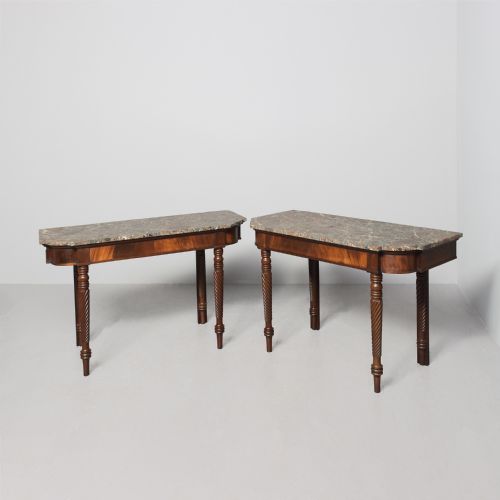
Tops are commonly fashioned from heavy slabs of figured marble or breche d’alep, resting upon structural timber carcases. Ormolu mounts, brass details, and mirrored glass panels complete the construction of the more elaborate console tables and pier cabinets.
Antique Pier Furniture Retail Price Guide 2026
Typical asking prices for pier furniture among the pieces listed under this phrase on Sellingantiques today, from the lower quarter to the upper quarter. They describe what is for sale here now, not the wider market.
Listings feature eighteenth and nineteenth century periods, utilising marble, mahogany, rosewood, and giltwood across various European regional styles.
Quality variations
The standard of carving and the selection of timber dictate the distinction between everyday items and exceptional pieces. Finely figured mahogany, intricate brass inlay, and deeply hand-carved giltwood separate superior workshops from standard production.
Proportion and the integrity of original surfaces matter significantly, with narrow depths and intact marble tops representing desirable attributes. Maker attribution or stamps from notable firms further elevate the standing of individual tables and cabinets.
Druce and Co·Louis Constantin Le Gaigneur·Krieger Paris·James Winter·Robert Strahan
The Antique Pier Furniture Glossary
- Pier glass
- A tall mirror designed to hang on the wall space between two windows, frequently paired directly beneath with a console table.
- Console table
- A wall-mounted or freestanding table supported by front legs or brackets, historically built to fit narrow architectural spaces.
- Giltwood
- Timber that has been coated with fine leaf gold or metal powder over a prepared gesso surface.
- Ormolu
- Gilded bronze mounts and decorative details applied to furniture during the eighteenth and nineteenth centuries.
- Marquetry
- The art of applying pieces of veneer to a structural structure to form decorative patterns and pictorial designs.
Antique Pier Furniture: Frequently Asked Questions
What is pier furniture?
Pier furniture refers to tables, cabinets, and mirrors specifically built to occupy the narrow wall space between windows in traditional rooms.
These pieces were scaled to fit tight architectural gaps while providing display surfaces and reflecting light through integrated mirrors.
How were console tables used?
Console tables provided a surface for decorative objects, candelabra, or porcelain while anchoring the room's symmetrical design.
Often built with flat backs to secure against the wall, they frequently stood beneath matching pier mirrors to create a unified wall ensemble.
Where should I place a pier cabinet?
These cabinets suit narrow wall spaces, hallways, or living rooms where standard deep furniture would obstruct movement.
Their shallow proportions make them practical for displaying small collections without dominating the floor area of a room.
How do I identify Regency pier furniture?
Regency pieces often feature classical motifs, dark mahogany or rosewood timbers, and distinctive brass inlay or giltwood details.
Proportions tend to be clean and architectural, drawing inspiration from ancient Greek and Roman design elements popular in the early nineteenth century.