





Antique Picture Wall Set
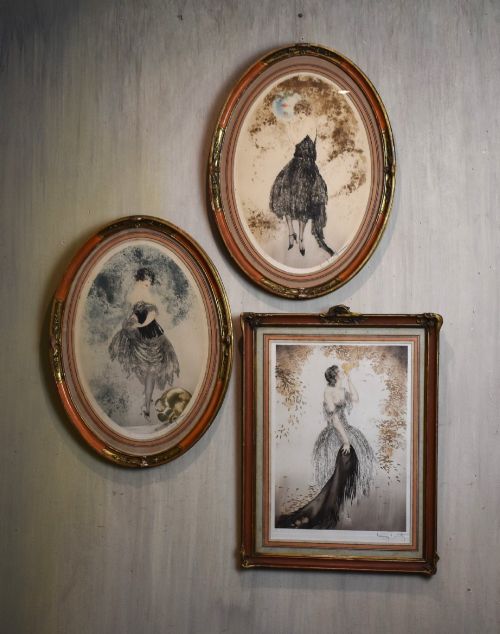
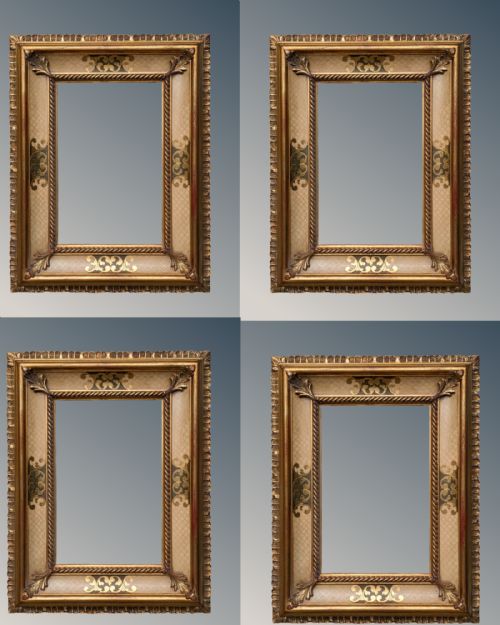
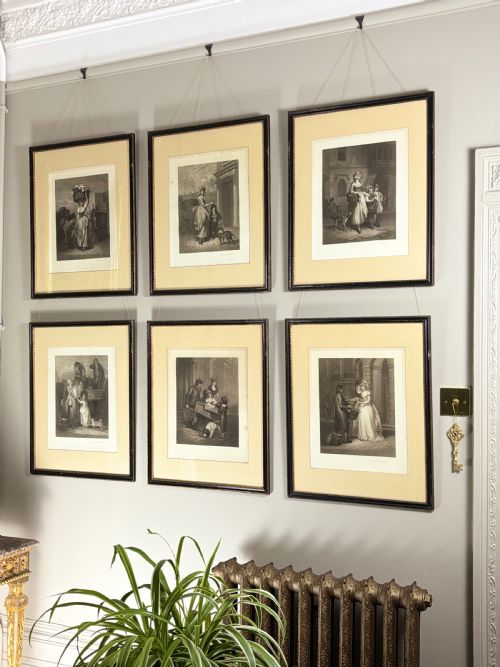
An antique picture wall set gathers matched framed works to hang together, offering a cohesive visual display from past centuries.
Antique Picture Wall Set
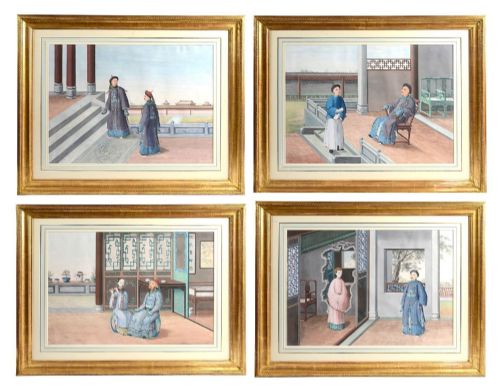
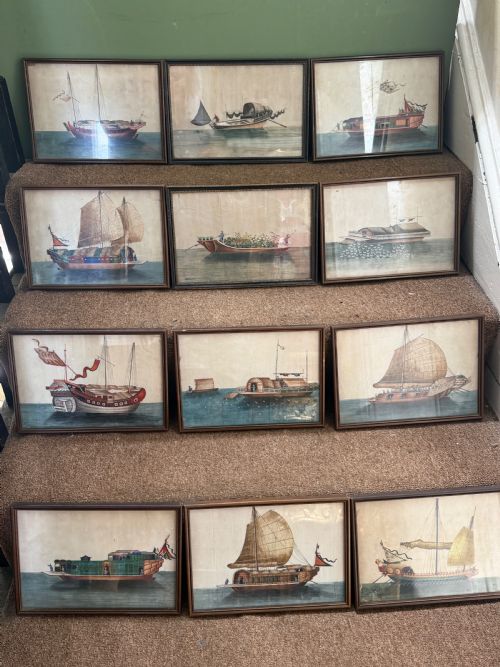
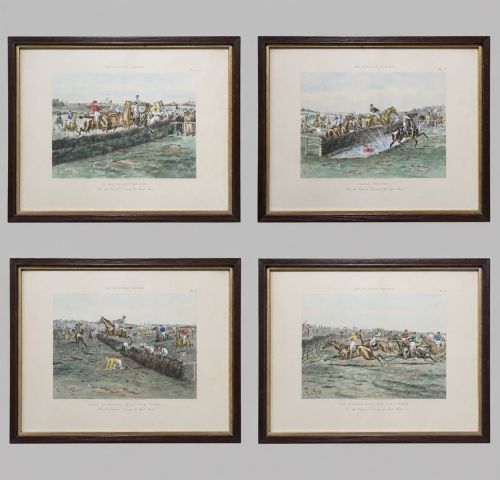
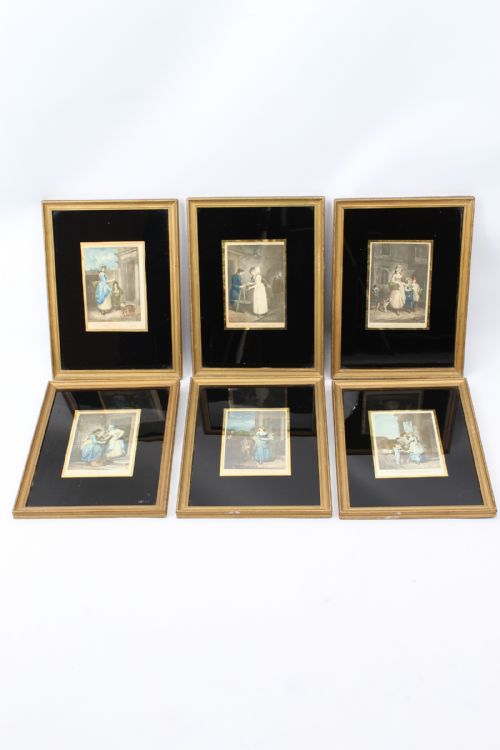
An antique picture wall set comprises coordinated groups of framed works designed to be displayed together on a wall. When searching for an antique picture wall set, buyers encounter various configurations ranging from pairs and quartets to larger series of twelve or more pieces.
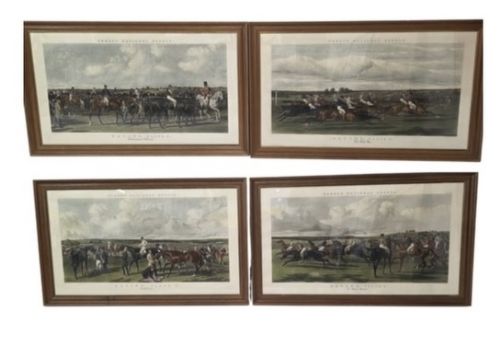
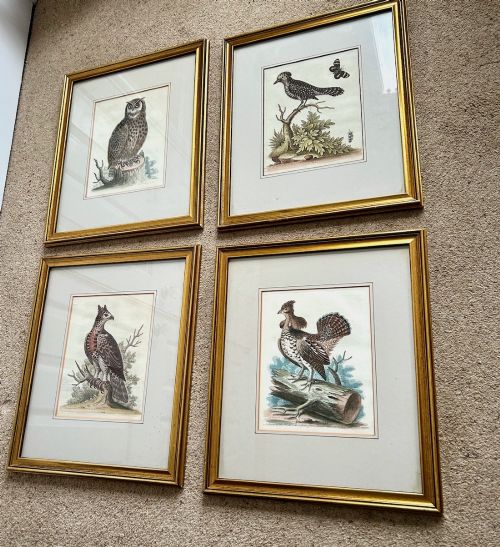
The offerings span multiple periods, most notably the nineteenth century, along with Regency, Victorian, and eighteenth-century examples. Common subjects include botanical studies, horse racing scenes, hunting sequences, and Chinese export shipping paintings.
Compositions arrive in diverse formats such as watercolours, engravings, mezzotints, and lithographs. Many retain their period frames in wood, giltwood, or glass-fronted arrangements.
Materials and construction methods
Works in an antique picture wall set rely on traditional paper supports combined with media like watercolour, gouache, pencil, and ink. Print techniques such as engraving, mezzotint, and lithography dominate the visual surface.
Frames utilise timber, often highlighted with carved giltwood or gold leaf finishes. Protective glazing with glass preserves the delicate paper and painted surfaces beneath.
Listings feature paper, glass, wood, and gold leaf across eighteenth and nineteenth century periods.
Determinants of quality
Quality in an antique picture wall set rests upon the crispness of the original print impression or the dexterity of the hand-painted brushwork. Sets that remain entirely complete with matching period frames achieve greater visual harmony than assembled groups.
The integrity of the paper support, minimal fading, and the quality of the surrounding gilt wood or timber framing distinguish finer examples from standard decorative items.
George Edwards·Thomas G Appleton·Edward Stodart·Otto Pilny
The Antique Picture Wall Set Glossary
- Engraving
- A printmaking technique where an image is incised into a metal plate with a cutting tool. The resulting lines hold ink to be transferred under pressure to paper.
- Mezzotint
- A tonal printmaking method on copper where the surface is roughened to hold ink for rich dark areas, then scraped to produce lighter tones. This process yields velvety gradients suited to portraits and fine prints.
- Giltwood
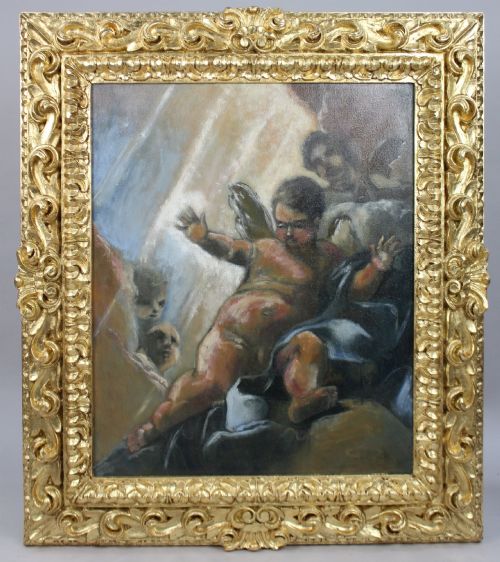
- Wood that has been coated with a thin layer of gold leaf or gilt powder. It is frequently seen on nineteenth-century and Regency frames.
- Gouache
- An opaque water-based paint composed of pigment, water, and a binding agent such as gum arabic. It provides solid, vibrant areas of colour on paper studies.
Antique Picture Wall Set: Frequently Asked Questions
How do I hang a wall set?
Arrange the pieces on a flat surface first to test spacing before transferring the layout to the wall. Keep consistent gaps between frames to maintain balance.
Ensure heavy giltwood frames are secured with appropriate wall fixings rather than standard picture hooks.
Are these prints hand coloured?
Many nineteenth-century plates feature delicate hand application of watercolour tints over monochrome engravings or lithographs. This technique added life to botanical studies and sporting scenes.
Examine the surface under magnification to spot the subtle pooling of pigment unique to manual application.
How should I clean the glass?
Apply a mild glass cleaner to a soft cloth rather than spraying directly onto the frame. This prevents moisture from seeping under the old rebate and damaging the paper.
Keep frames away from direct sunlight to prevent the fading of watercolour pigments and antique paper.
What defines a complete set?
A complete set retains its original numbering or thematic sequence as issued by the publisher or artist. Uniformity in paper tone and matching frame construction confirm the group belongs together.
Dispersed series often show slight variations in mounting style accumulated over decades of separate ownership.