




Antique Photo Frame Stand
These antique photo frame stand pieces present domestic portraiture through metals, glass and wood from the Victorian, Edwardian and Art Deco eras.
Antique Photo Frame Stand
An antique photo frame stand holds portrait photographs on tables, desks and mantelpieces using integrated easel backs, folding struts or hinged supports. These items appear across the Victorian, Edwardian and Art Deco periods, housing family likenesses and carte de visite prints.
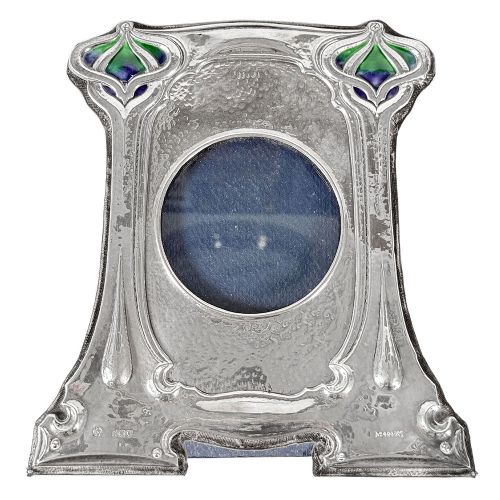
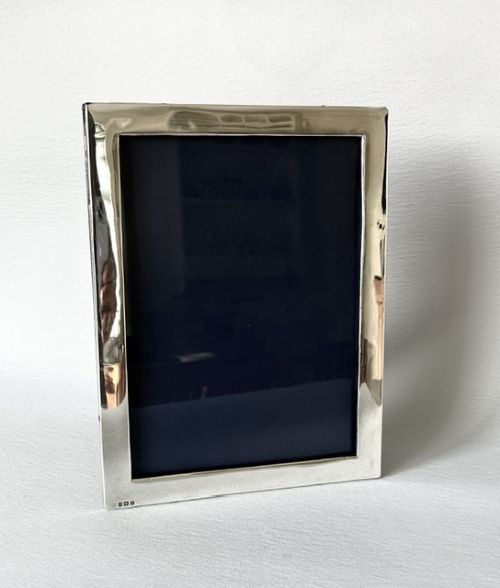
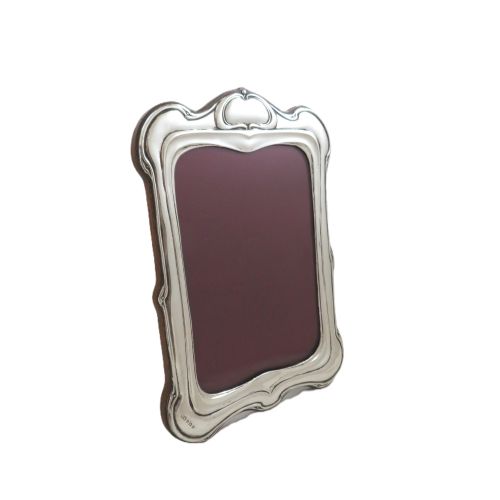
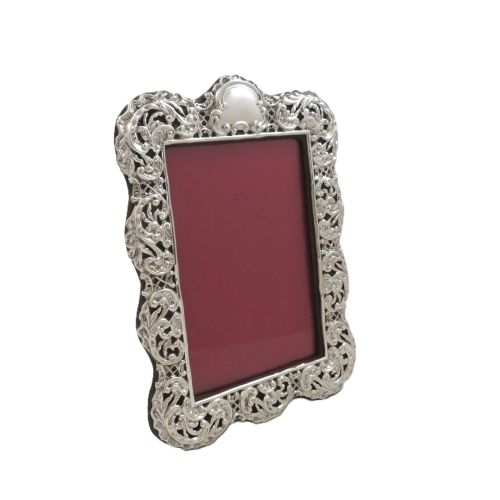
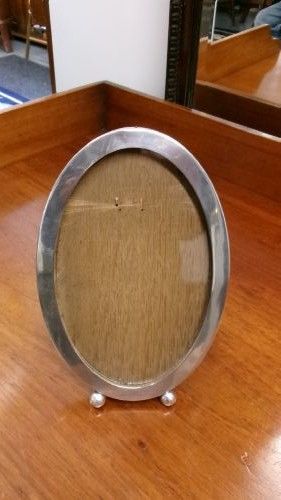
The selections on this page comprise picture frames, photograph frames and vanity mirrors with supporting legs. Forms range from simple plain ovals to large rectangular borders decorated in the Edwardian and Art Nouveau styles.
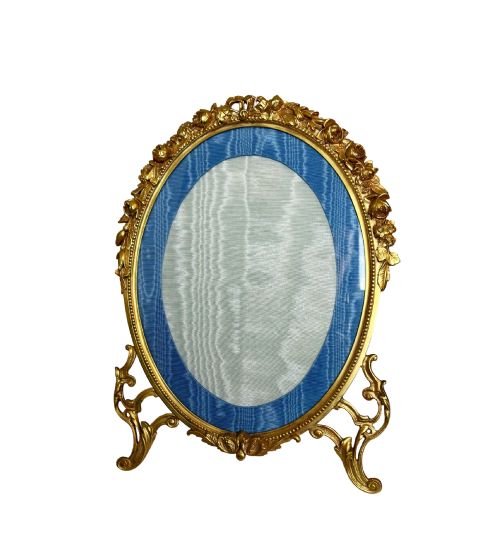
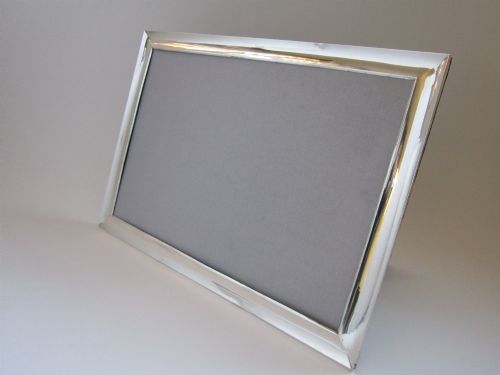
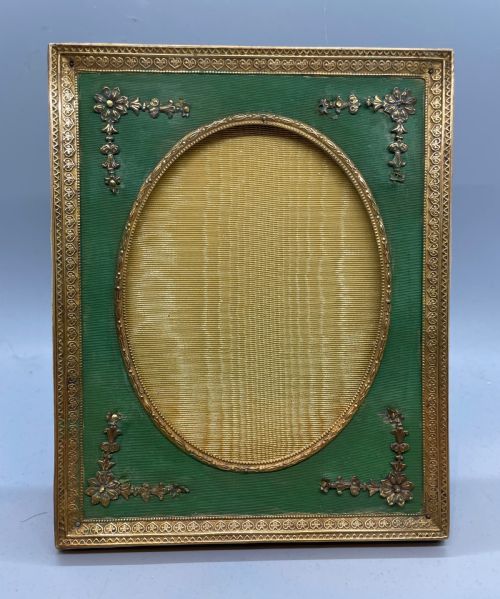
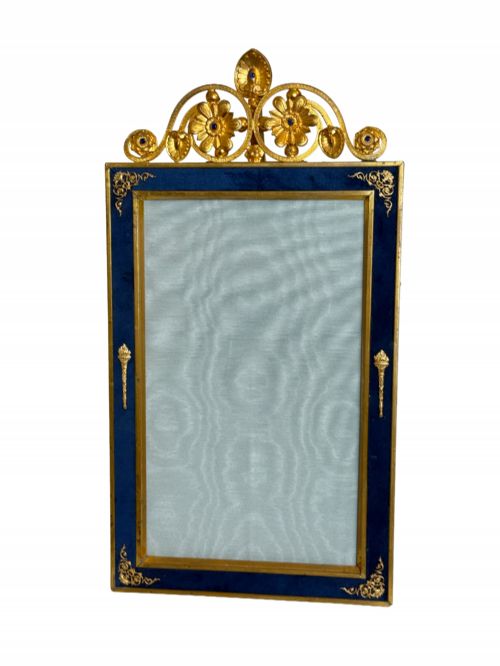
Materials span sterling silver, brass, gilt bronze and ormolu, paired with glass panes and wooden or leather backing boards. Examples include standard desk models alongside novelty designs shaped like miniature furniture.
How they were made
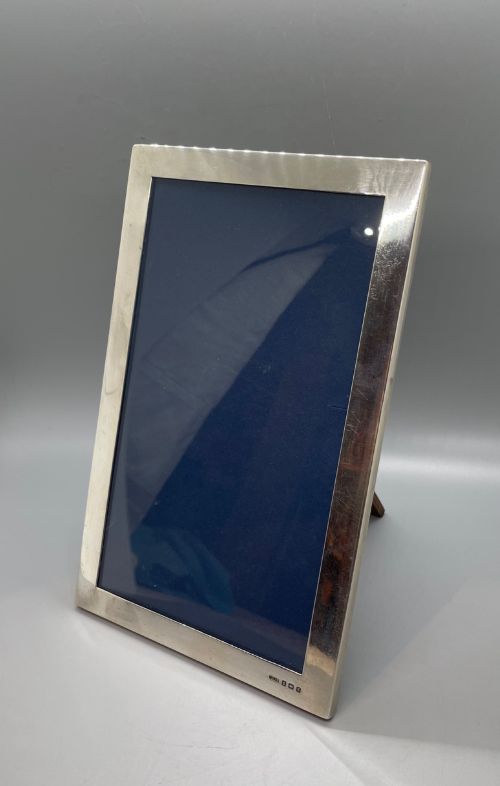
Silversmiths constructed sterling silver mounts using techniques like embossing, engine-turning and applied floral borders, often hallmarked in British assay offices such as Birmingham and Chester. Frames incorporate wooden or leather easel backs secured by metal hinges.
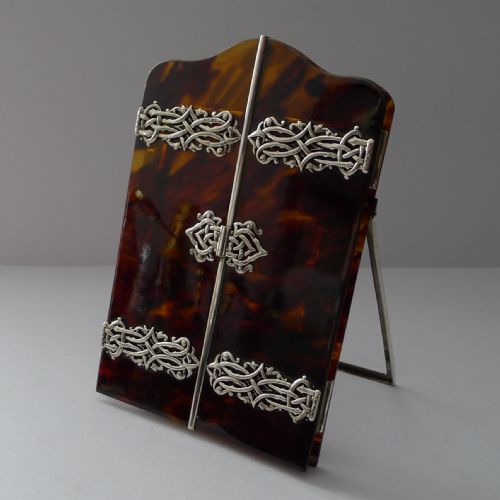
Foundry workers cast gilt bronze, ormolu and brass into decorative French Rococo, Louis XVI Revival and Art Nouveau shapes, incorporating glass windows to protect the paper image within. Some pieces combine tortoiseshell panels or enamel inlay with precious metals.
One curious Victorian piece doubles as a miniature pole screen.
What varies in quality
The calibre of a piece rests in the weight of the metal mount and the crispness of chased or embossed ornamentation, such as deep floral motifs versus shallow press-work. Heavier sterling silver frames maintain structural rigidity around the glass aperture.
Integrity of the backing mechanism dictates everyday utility, where original wooden or leather struts match the period of the frame. Superior items retain their original glass panes, secure corner joints and intact easel hinges.
William Hutton and Sons·Syner and Beddoes·William Comyns·Moseley
The Antique Photo Frame Stand Glossary
- Easel back
- A hinged leg attached to the reverse of a frame that allows it to stand upright on a flat surface. This support is commonly constructed from wood or leather.
- Hallmark
- A series of official stamps applied to precious metals indicating the assay office, metal purity and year of manufacture. British silver examples frequently display city marks like Birmingham or Chester.
- Ormolu
- Gilded bronze produced by applying a mercury and gold amalgam to a bronze base, common in French decorative objects. This technique creates a rich golden surface finish.
- Engine-turned
- A geometric pattern of fine lines mechanically engraved into metal surfaces. This decoration appears frequently on early twentieth-century silver frames.
- Carte de visite
- A small photographic portrait mounted on a card, popular during the nineteenth century. Table top display boxes and frames were specifically manufactured to house these formats.
Antique Photo Frame Stand: Frequently Asked Questions
How do I date a silver frame?
Assay office hallmarks stamped onto the silver border provide the exact year of testing and manufacture. These small duty marks correspond to specific date letters assigned by offices in cities like Birmingham or London.
Stylistic cues also help determine age, such as the flowing organic curves typical of Edwardian Art Nouveau pieces compared to the geometric lines of 1930s Art Deco designs.
Can I replace the glass?
Original glass panes should be preserved whenever possible, though damaged glass can be replaced by a local glazier using thin window glass. Care must be taken when removing the backing pins to avoid bending fragile silver or bronze mounts.
Securing matching period glass maintains the historical integrity of the piece, especially in frames featuring bevelled edges.
How were these frames used?
These pieces sat upon desks, sideboards and mantelpieces to display portrait photographs of family members and acquaintances. Their integrated stands allowed personal likenesses to be viewed upright in domestic interiors.
Some variations functioned as hanging frames or double display units for multiple images.
What metals are most common?
Sterling silver dominates British production from the Victorian and Edwardian eras, often accompanied by wooden easel backs. Brass, gilt bronze and nickel-plated silver appear frequently in French and Art Deco examples.
These metals were chosen for their ability to take decorative embossing, casting and polishing.