

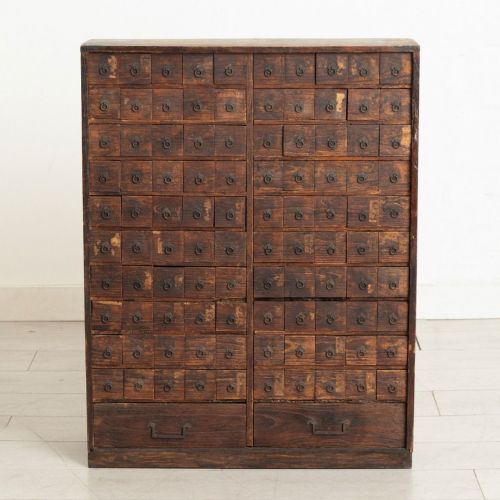


Antique Pharmacy Chest
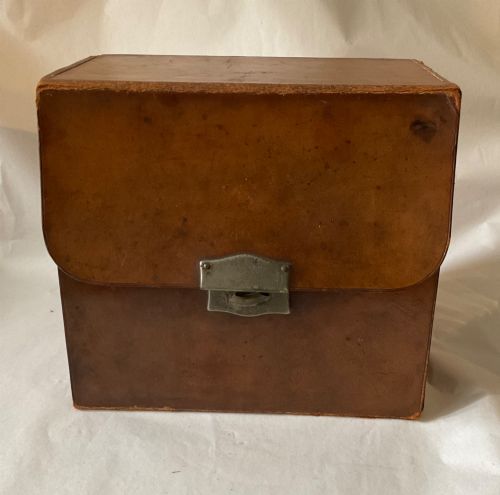
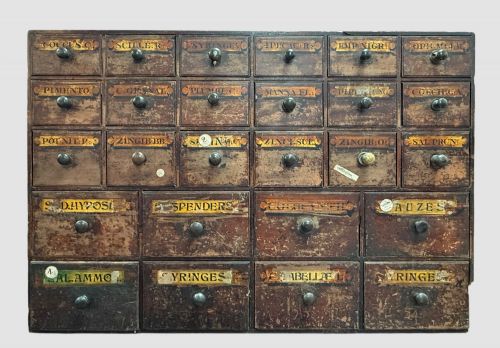
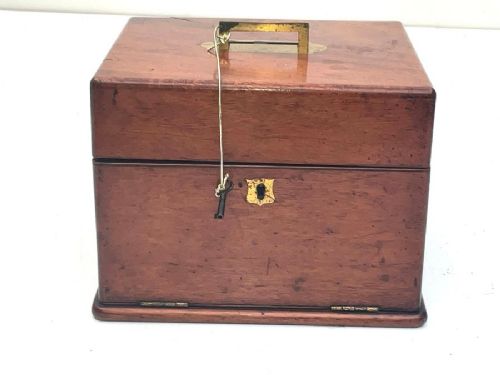
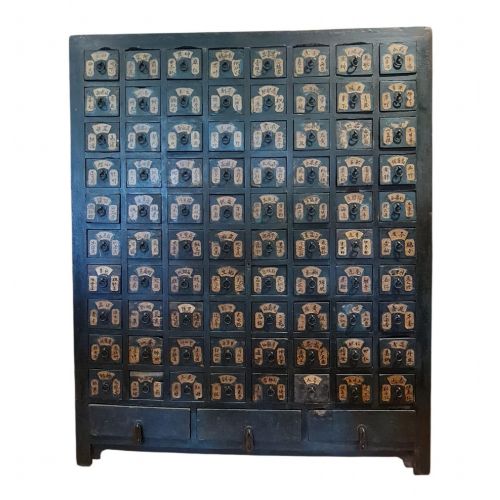
These antique pharmacy chest examples range from compact travelling boxes with original bottles to tall shop fittings and banks of drawers.
Antique Pharmacy Chest
An antique pharmacy chest serves as a specialised container designed historically to hold medicines, powders, and medical instruments. Buyers exploring this category encounter a diverse array of forms, spanning small portable boxes to large multi-drawer banks intended for chemist shops.
Most pieces encountered here derive from the nineteenth century, reflecting the growth of domestic and commercial apothecary practice. These cabinets and chests combine utilitarian storage with fine cabinetmaking, utilising woods like mahogany, walnut, and elm.
How they were made
Cabinetmakers constructed these chests using robust timbers such as mahogany, pine, walnut, and Chinese elm to protect fragile contents. Drawer fronts and exterior surfaces often display careful joinery, sometimes complemented by brass carrying handles and recessed campaign hardware.
Internal layouts required precision engineering to secure glass bottles, jars, and scales safely during transit or daily use. Fitted compartments utilise velvet, leather, and wood dividers to keep each medicine bottle firmly in place.
Many examples incorporate hidden compartments, secret drawers, and secure locking mechanisms operated by brass keys. Exterior finishes range from polished walnut and mahogany to painted or waxed surfaces on provincial workshop pieces.
Antique Pharmacy Chest Retail Price Guide 2026
Typical asking prices for pharmacy chest among the pieces listed under this phrase on Sellingantiques today, from the lower quarter to the upper quarter. They describe what is for sale here now, not the wider market.
Object forms span portable travelling cases, dentist cabinets, and multi-drawer chemist shop fittings.
What varies in quality
Quality in these pieces depends heavily on the survival of original internal fittings, such as labeled glass bottles, stoppers, and scales. Complete sets with matching original glassware command greater interest than those altered or restocked over time.
The sophistication of the timber selection and exterior brass hardware distinguishes standard utility pieces from high-end campaign boxes. Inlaid woodwork, secret drawer mechanisms, and precise dovetail joints indicate superior workshop production.
Condition and originality of the surface finish dictate the overall character of each chest. Retaining the original fitted velvet or leather linings adds distinct depth to the historical integrity of the piece.
The Antique Pharmacy Chest Glossary
- Apothecary box
- A portable container fitted with compartments and glass bottles for carrying medicinal preparations. These travel-sized chests were essential for physicians on the move.
- Bank of drawers
- A large multi-drawer cabinet designed for commercial shop storage rather than personal travel. These units organised vast quantities of dry goods and medicinal ingredients.
- Campaign hardware
- Recessed brass handles and corner brackets designed to protect furniture during military transport. This practical addition appears frequently on Georgian and Regency travelling boxes.
- Chemist shop fitting
- Large-scale cabinetry built specifically for interior retail pharmacy use during the nineteenth century. These fixtures often feature numerous small drawers and display shelving.
- Fitted interior
- An internal wooden grid system designed to hold specific glass bottles and instruments securely. Precision woodworking ensured contents remained stable during transit.
Antique Pharmacy Chest: Frequently Asked Questions
How were medicine chests used?
Medicine chests served as mobile dispensaries for doctors, military officers, and households needing immediate access to remedies. Travelling versions allowed physicians to treat patients on journeys or military campaigns.
Larger shop chests remained stationary in chemist premises, holding bulk herbs, powders, and prepared mixtures for local customers. Each drawer or compartment kept specific ingredients organised and easily accessible.
How do I date an apothecary box?
Dating an apothecary box involves examining the wood types, construction methods, and brass hardware styling. Georgian and Regency pieces often feature flush campaign handles and fine mahogany dovetailing.
Victorian examples frequently display broader commercial utility, including larger banks of drawers and varied secondary timbers like pine. Original labels, maker stamps, and glass bottle types also provide clear chronological clues.
Did these chests come with bottles?
Many surviving pharmacy chests retain their original fitted glass bottles, stoppers, and occasionally small scales or measuring cups. Travelling boxes were specifically designed to house these glass containers within secure wooden slots.
Over the centuries, some bottles were replaced or lost during use, making complete surviving sets particularly notable. The presence of original glassware enhances the historical completeness of the piece.