




Antique Pewter Metal Dish
An antique pewter metal dish brings heavy, tactile utility and understated historic gravitas into a modern interior.
Antique Pewter Metal Dish
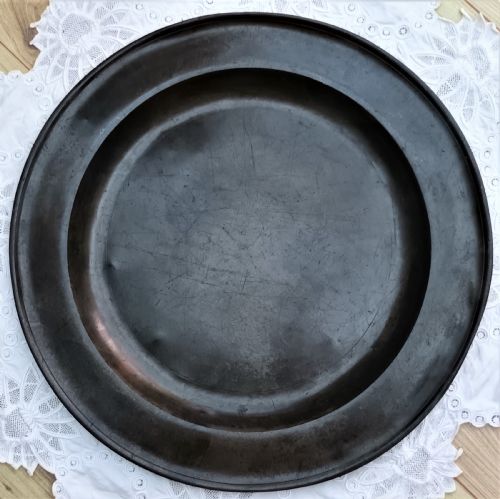
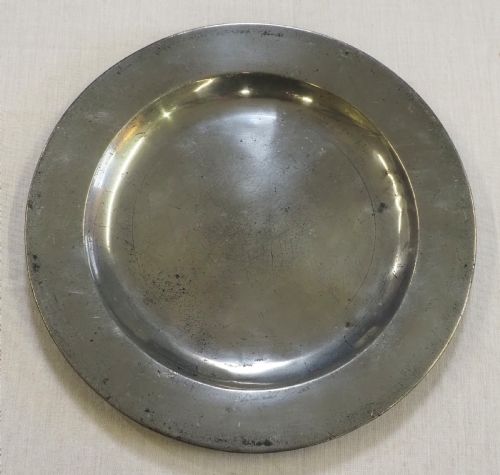
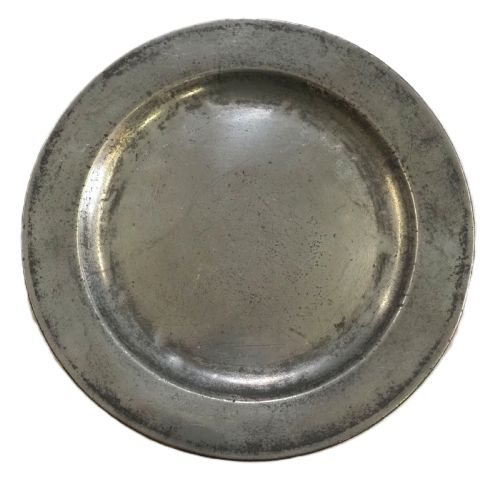
When you search for an antique pewter metal dish, you encounter heavy chargers, broad rim plates, and shallow bowls spanning from the seventeenth century through the Georgian era to the early twentieth century. The domestic plates and ceremonial chargers hail predominantly from English workshops, stamped with hallmarks and maker touches.
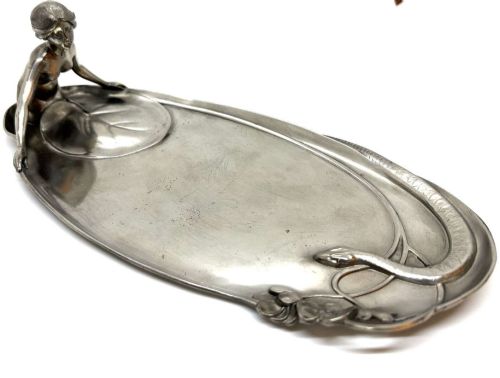
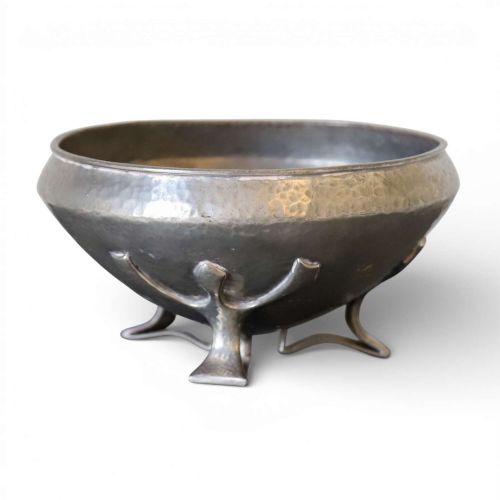
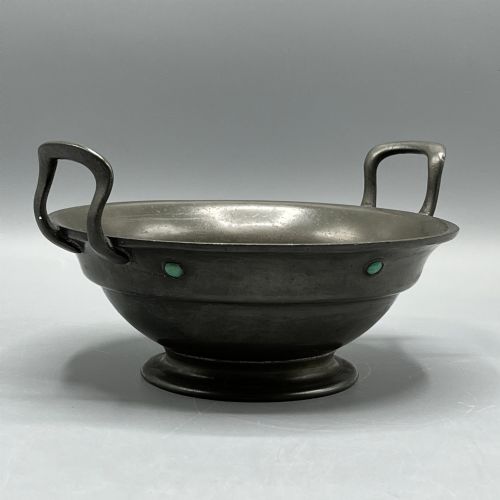
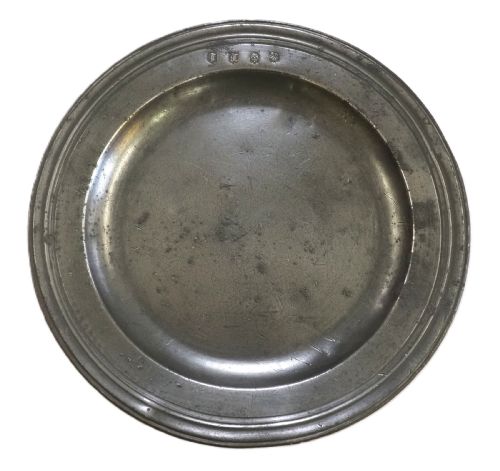
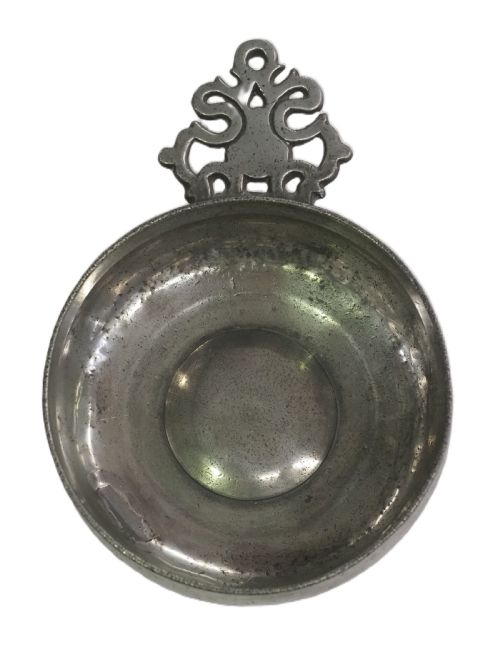
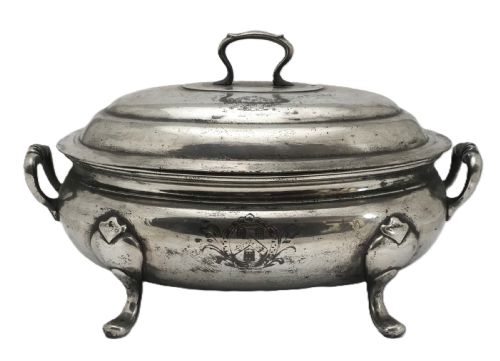
Alongside plain rim dining plates and triple reeded dishes, the selection includes specialised vessels such as porringers, tureen bowls, and toilet basins. Later twentieth-century examples shift towards decorative Arts and Crafts beaten trays and Art Nouveau centrepieces paired with glass inserts.
Alloy and Hammer
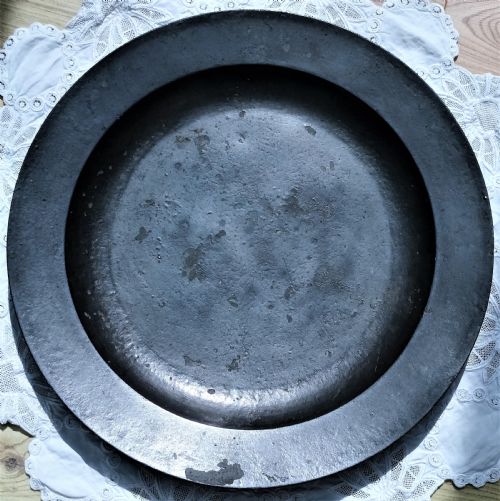
The objects are cast primarily from pewter and Britannia metal, combining tin with smaller proportions of copper, antimony, or lead to achieve durability and a soft lustre. Many seventeenth-century chargers display hammering all over the surface, a technique that hardened the metal and created subtle surface undulations.
Later manufacturing methods utilise machine rolling for simpler plates, while Arts and Crafts pieces rely on hand-beaten finishing. Edges are finished with plain rims, multiple reeds, or incised detailing cast directly into the mould.
Materials range from traditional leaded pewter and modern Britannia metal to silvered pewter and paired ruby glass.
Form and Touchmark
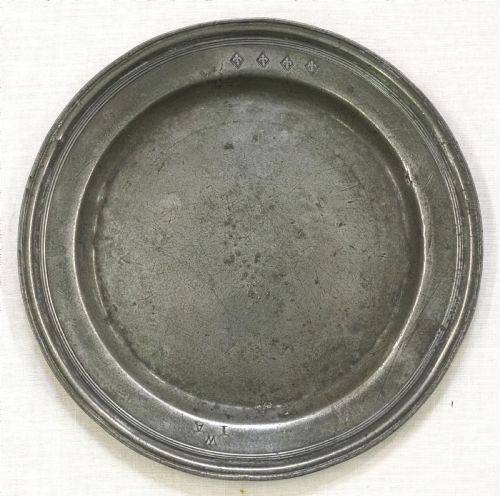
Quality rests in the crispness of the touchmark stamps, the weight of the metal, and the preservation of the original rim profile without excessive thinning from centuries of scouring. Broad rim chargers with deep reeding and legible maker touchmarks sit at the upper end of craftsmanship.
Proportion and thickness dictate durability, with heavier seventeenth and eighteenth-century examples maintaining structural integrity while lighter domestic plates show graceful wear. Decorative pieces rely on the sculptural clarity of cast elements like maiden figures or clover motifs rather than surface plating alone.
John Duncomb·Samuel Smith·T & H Compton·Richard King·John Tubb·Robert Moulins II·Humphrey Evans II·Thomas Alderson·Thomas Templeman·Lawrence Dyer·Thomas Haward·Thomas Powell·Edward Leapidge I·Nehemiah Cloudesley·John Barlow·Oliver Baker
The Antique Pewter Metal Dish Glossary
- Touchmark
- Maker's stamp impressed into the pewter surface to indicate the maker and standard of the alloy. These small marks serve as the primary signature for attribution.
- Charger
- Large decorative or serving dish, typically exceeding sixteen inches in diameter. They dominated seventeenth-century dining before shifting to sideboard display.
- Reeded
- Rim decorated with parallel raised moulding lines running around the circumference. Multiple reeds add structural rigidity and formal weight to early plates.
- Porringer
- Small bowl featuring one or two flat pierced handles, used originally for broths and porridges. They showcase domestic metalwork on an intimate scale.
- Britannia metal
- A specific tin-antimony-copper alloy developed in the late eighteenth century for silver plating and spinning. It offers a brighter, harder finish than traditional pewter.
Antique Pewter Metal Dish: Frequently Asked Questions
Can I use these dishes for food?
Historic domestic plates and chargers contain varying amounts of lead in the alloy mix, making them unsuitable for regular modern dining use. They are best appreciated as decorative objects or used for dry presentation.
Later Britannia metal or twentieth-century Arts and Crafts pieces generally contain safer alloy compositions, but visual inspection for active corrosion remains essential before serving.
What is a touchmark?
A touchmark is a small stamped emblem pressed into the metal by the maker to register their identity and workshop standard with the local guild. Finding a clear mark allows historians to trace the piece to specific towns and decades.
These stamps often include initials, heraldic symbols, or town hallmarks, acting as the ultimate guarantee of period authenticity.
Why are some chargers hammered?
Hammering the surface cold with a round-headed hammer compressed the tin molecules, increasing the rigidity and tensile strength of the flat metal dish. This technique prevented large plates from sagging under their own weight.
On seventeenth-century broad rim chargers, the hammer marks also catch the light, creating a shimmering textural quality prized by collectors.