


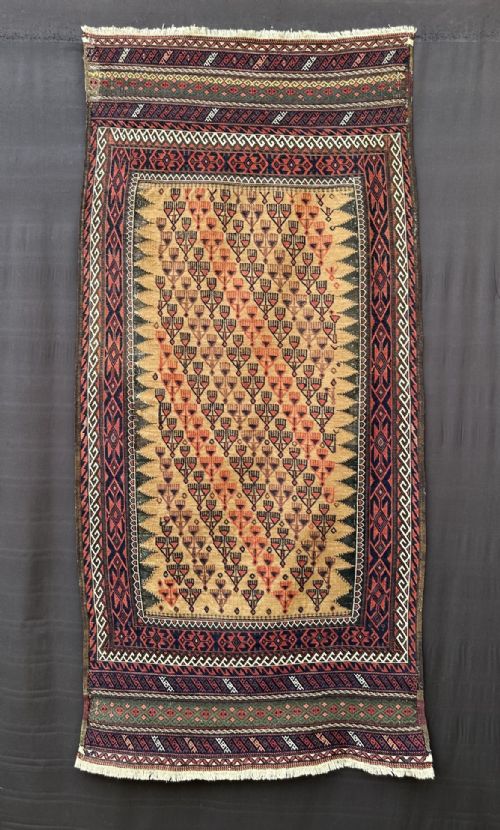
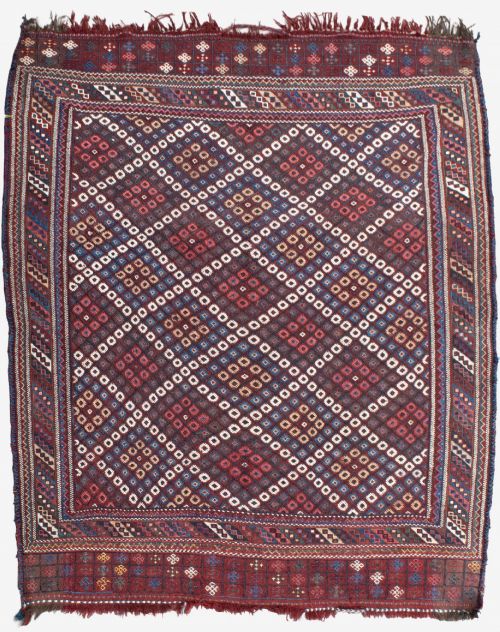


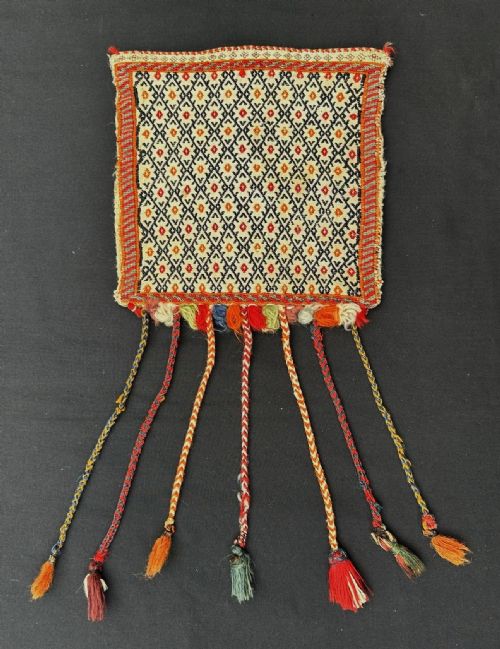
Antique Persian Flatweave
An antique persian flatweave brings geometric tribal artistry into a modern interior through centuries of nomadic weaving traditions.
Antique Persian Flatweave
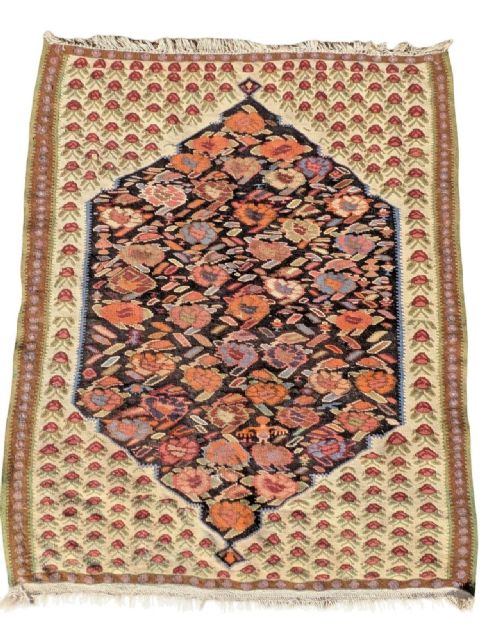
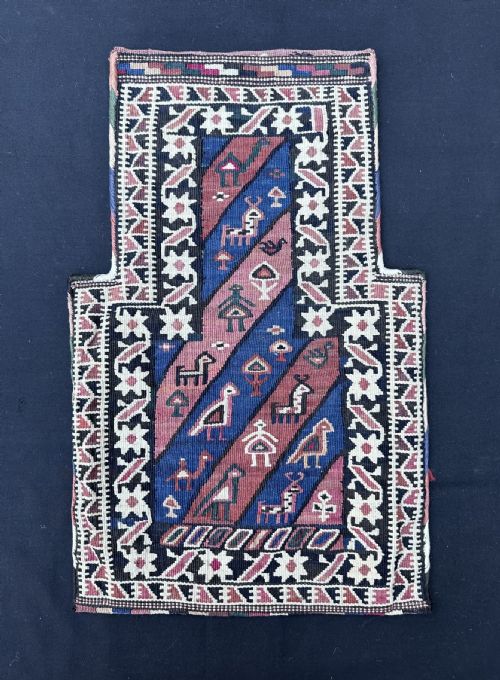
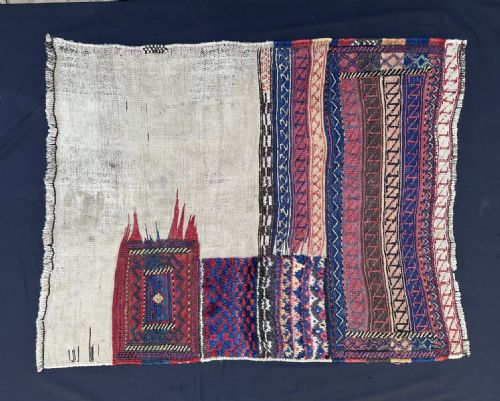
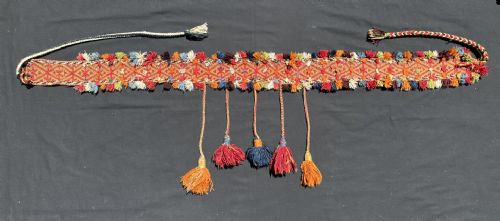
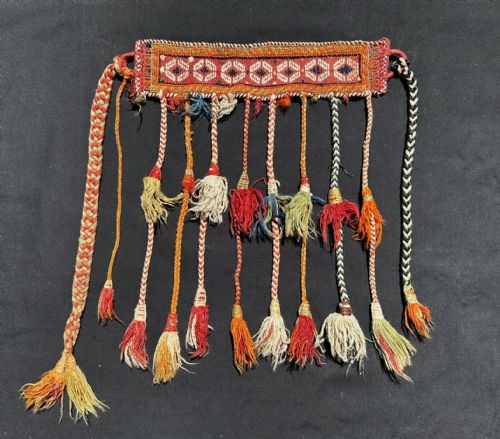
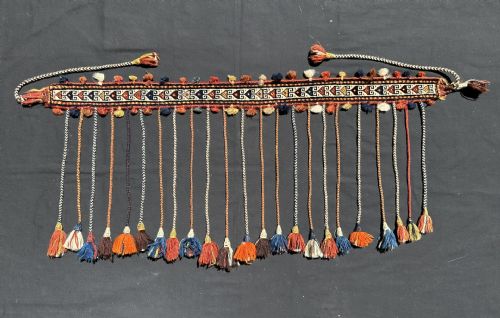
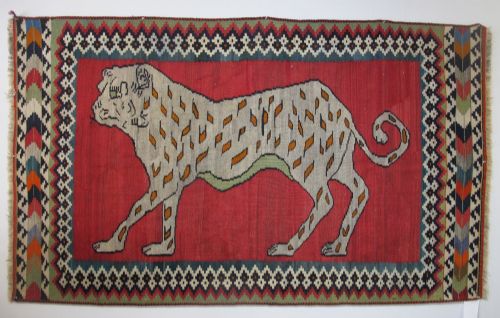
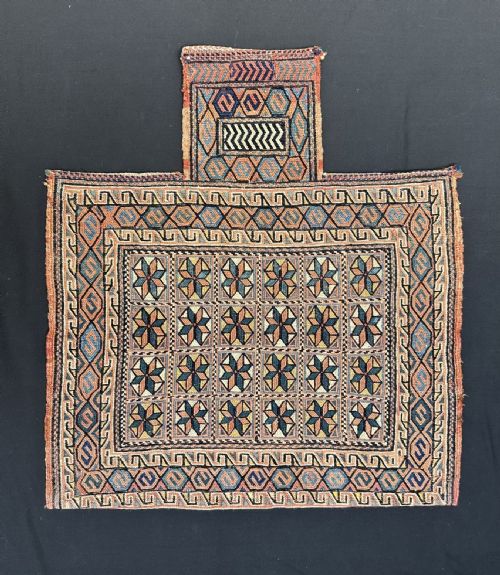
When you search for antique persian flatweave, you enter a world of nomadic textiles created across the regions of Persia by various tribal groups. These pieces include utilitarian cloths used for dining or bread storage, alongside floor coverings and decorative panels.
The most common examples encountered here are Sofreh rugs and kilims originating from specific tribal groups such as the Afshar, Qashqa'i, Shahsavan, and Kurdish weavers. Each piece reflects the distinct geographical origins and cultural practices of South-West and West Persia.
Dating ranges from the nineteenth century into the early twentieth century, spanning periods recorded around 1880, 1900, and 1920. These textiles represent the everyday functional craft of tribal communities rather than urban workshop production.
How they were made
The construction relies entirely on wool and cotton materials, spun and dyed by hand to create durable textile surfaces. Weavers utilise traditional flatweaving techniques that produce pileless fabrics with crisp geometric designs.
The materials are sourced locally by nomadic and village makers, resulting in robust structures designed for daily practical use in domestic life. Natural variations in the wool and dye stuffs give each flatweave a distinct tactile quality.
Antique Persian Flatweave Retail Price Guide 2026
Typical asking prices for persian flatweave among the pieces listed under this phrase on Sellingantiques today, from the lower quarter to the upper quarter. They describe what is for sale here now, not the wider market.
Some flatweaves doubled as dining tables for entire families before becoming decorative art.
What varies in quality
Quality separates through the precision of the flatweave structure and the complexity of the tribal iconography expressed across the surface. Tighter weaving and well-balanced compositions distinguish the upper tier of these nomadic textiles.
The clarity of colour derived from traditional dye materials dictates the visual depth of the piece. Finer examples maintain structural integrity while displaying the idiosyncratic design choices characteristic of specific tribal origins.
The Antique Persian Flatweave Glossary
- Sofreh
- A utilitarian cloth used for kneading dough, resting bread, or serving meals within nomadic households. These items often feature striking geometric borders and central fields.
- Kilim
- A flatwoven textile produced without a pile by tightly interweaving warp and weft threads. This technique creates a lightweight fabric suitable for floors or wall hanging.
- Warp
- The stationary vertical threads stretched across the loom that form the structural skeleton of the textile. All flatweaves depend on these foundational elements for their stability.
- Weft
- The horizontal threads passed through the warp to create the visible pattern and colour fields. Controlling these threads requires great skill in tribal weaving traditions.
- Tribal
- Pertaining to nomadic or semi-nomadic groups outside major urban centres who preserve distinct regional weaving customs. These communities pass down specific motifs through generations.
Antique Persian Flatweave: Frequently Asked Questions
What is an antique persian flatweave?
An antique persian flatweave is a pileless textile created by nomadic and village tribes across regions such as Fars and West Persia. These pieces include utilitarian cloths and decorative floor coverings.
They showcase traditional geometric patterns made from wool and cotton materials dating from the nineteenth and early twentieth centuries.
How were these textiles used?
Many flatweaves served specific domestic purposes within nomadic households, such as preparing bread or sharing communal meals. Other examples functioned as floor rugs or decorative wall panels.
Their robust construction allowed them to withstand the rigorous daily demands of travelling communities.
How do I live with flatweaves?
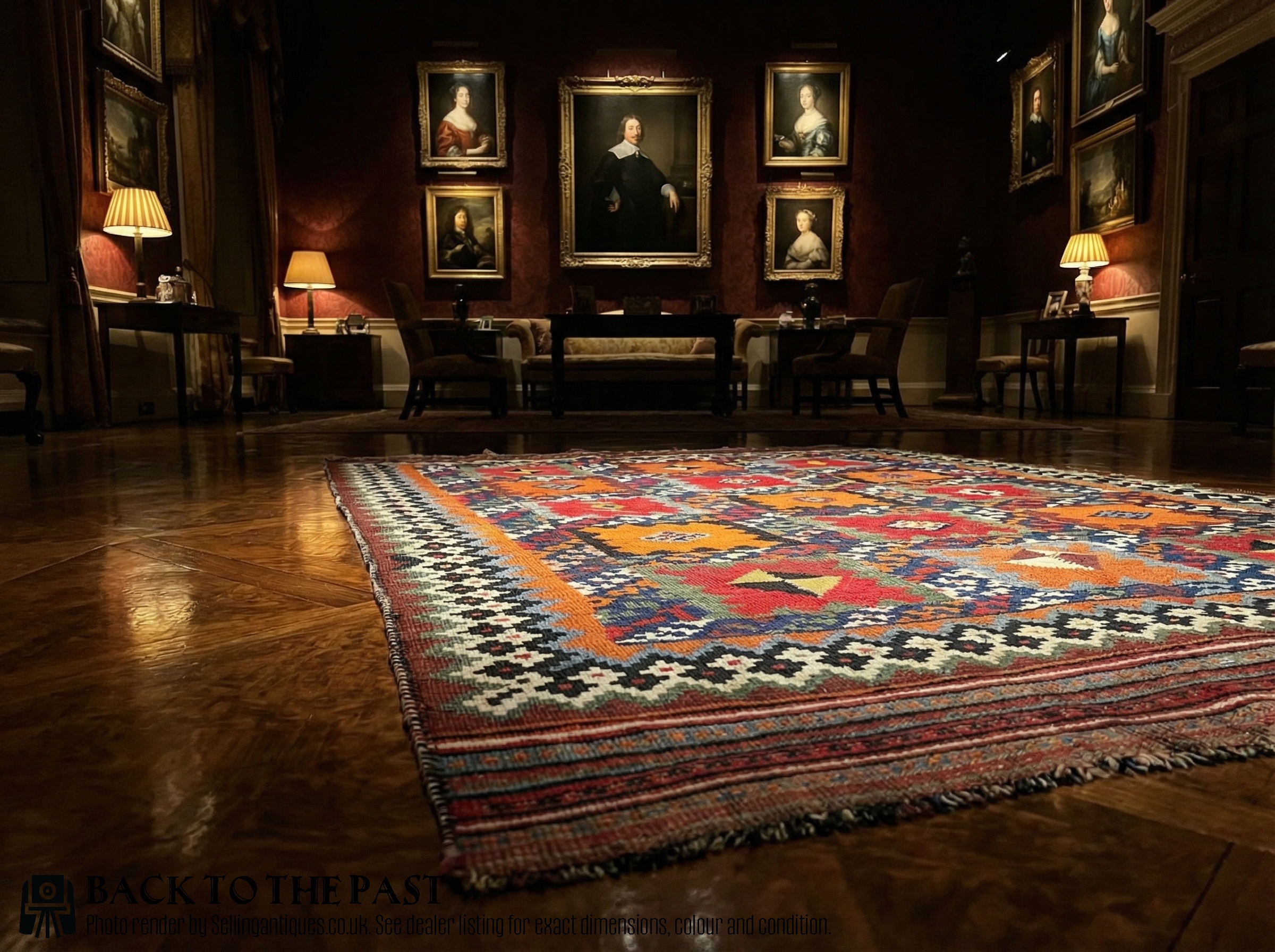
Flatweaves suit modern interiors as floor coverings, table accents, or hung textiles that introduce warmth and tribal geometry to a room. Their flat structure makes them practical for high-traffic areas.
Care involves gentle cleaning and protection from direct sunlight to preserve the natural wool fibres.
How do I identify tribal origins?
Identifying origins involves studying the specific motifs, colour palettes, and weaving structures associated with groups like the Afshar, Qashqa'i, Shahsavan, and Kurds. Each region developed distinct aesthetic signatures.
Recorded periods range from the nineteenth century up to the 1920s, reflecting changing regional traditions.