




Antique Persia Mat
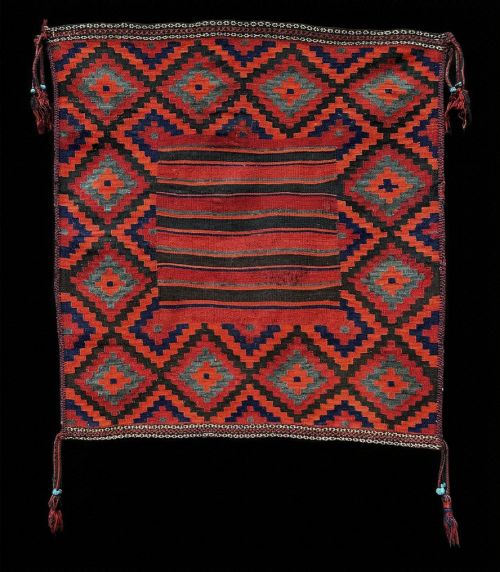
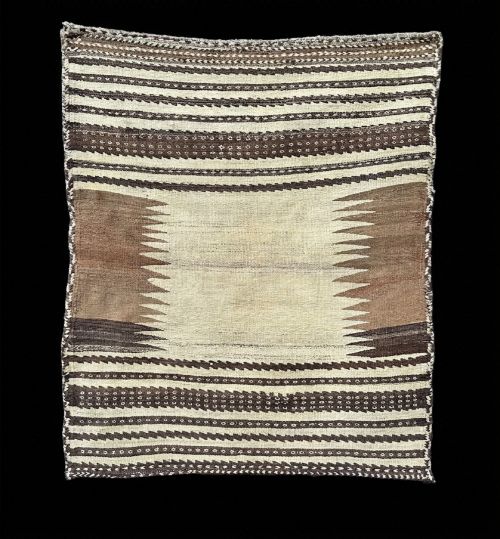
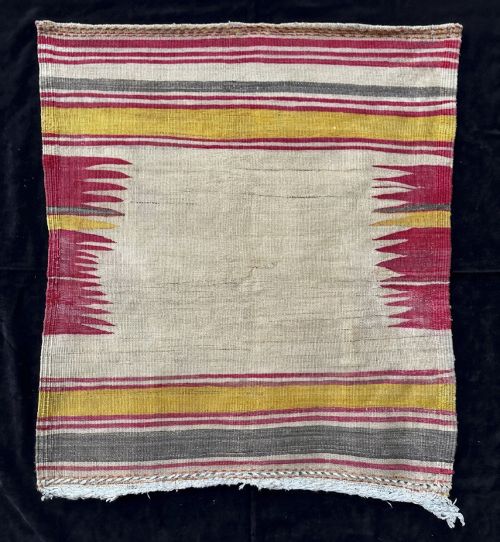
An antique persia mat brings centuries of tribal weaving traditions into modern spaces through rich wools and natural dyes.
Antique Persia Mat
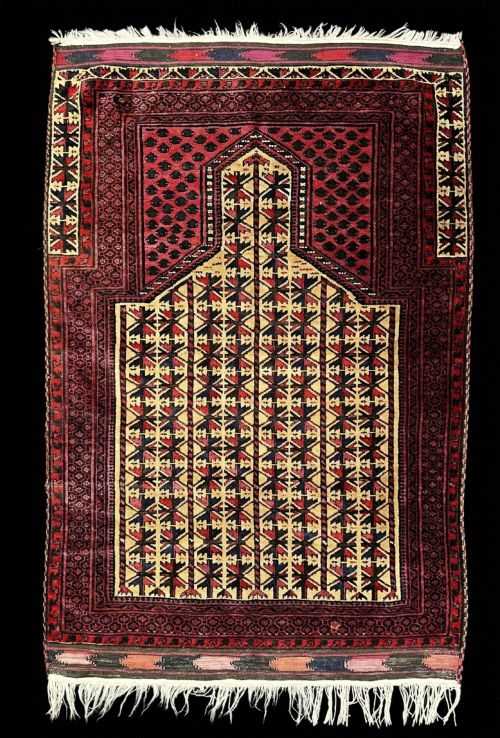
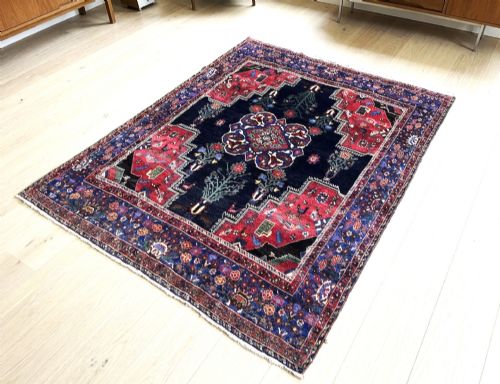
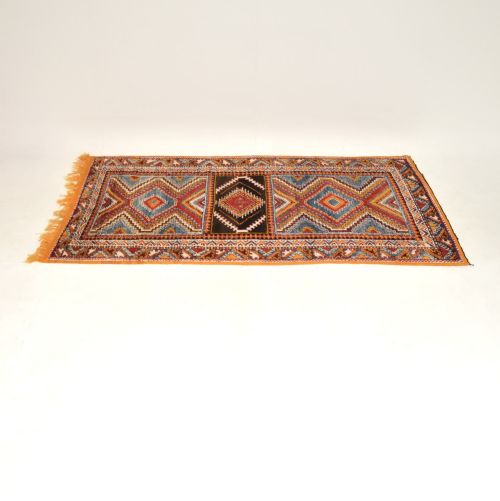
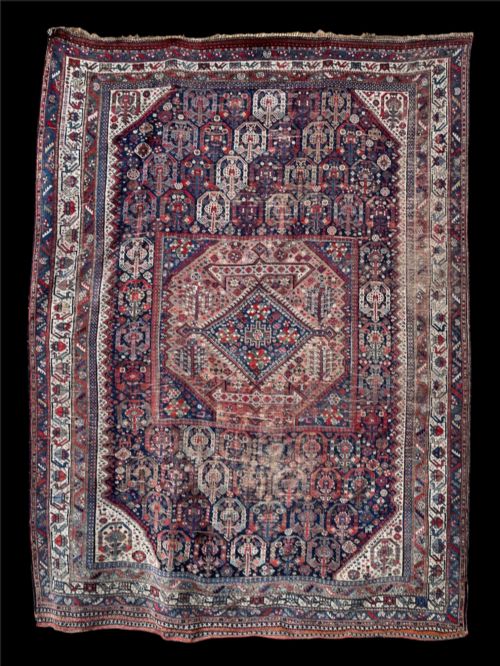
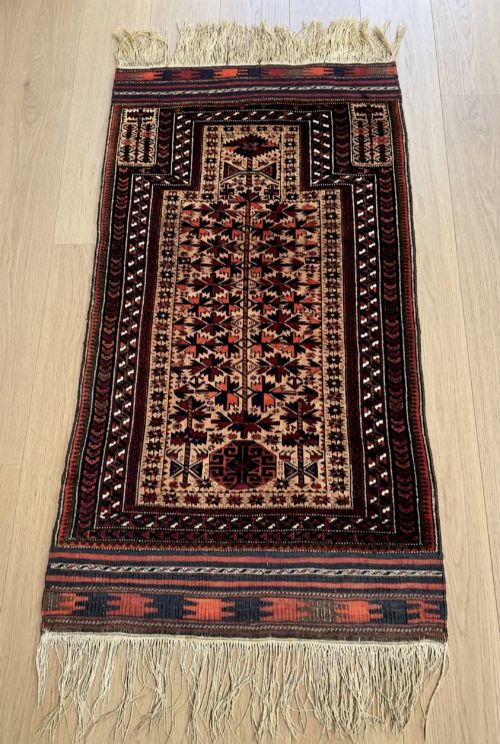
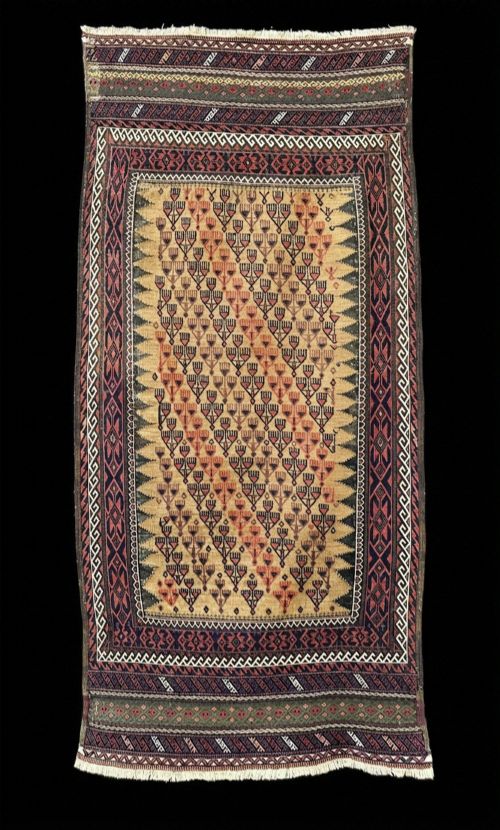
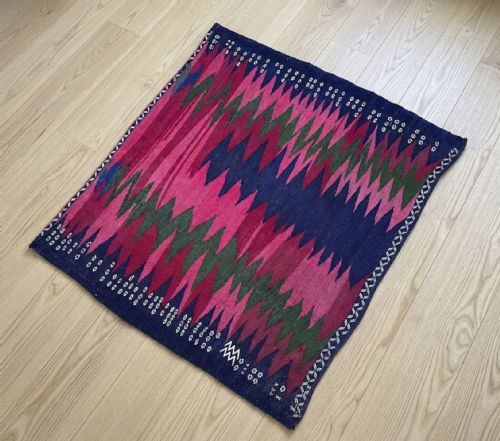
Buyers will most frequently encounter wool area rugs and village formats dating from the late nineteenth century up to the 1930s. The selection ranges from small Baluch prayer rugs to Luri tribal carpets and Kashgai weaves, reflecting distinct regional patterns.
The practical forms include hallway runners and compact hearth rugs suited for everyday placement in traditional or contemporary interiors. Each textile carries the distinct geometric or floral vocabulary of its specific weaving group.
Materials and construction methods
Weavers relied primarily on wool pile hand-knotted onto sturdy cotton or wool foundations, utilising camel hair for soft, undyed brown tones in border details. The structural integrity depends on the density of the knotting and the quality of the spinning.
Natural dyes provide the foundational palette, yielding deep madder reds, indigo blues, and earthy yellows that soften gracefully over time. These organic colourants interact uniquely with the wool fibres, creating subtle tonal variations across the field.
Antique Persia Mat Retail Price Guide 2026
Typical asking prices for persia mat among the pieces listed under this phrase on Sellingantiques today, from the lower quarter to the upper quarter. They describe what is for sale here now, not the wider market.
The listings feature wool and cotton textiles from the nineteenth century through the 1930s, incorporating natural dyes and camel hair across various Persian tribal regions.
Distinctions in quality and execution
Quality rests in the precision of the tribal motifs, the balance of the overall composition, and the handling of the natural dye palette. Finer pieces demonstrate tighter knot counts and crisp drawing within medallions or prayer niches.
The integrity of the original selvedges and ends dictates the structural condition, while the depth and lustre of the wool distinguish superior nomadic pieces from standard village production.
The Antique Persia Mat Glossary
- Sofreh
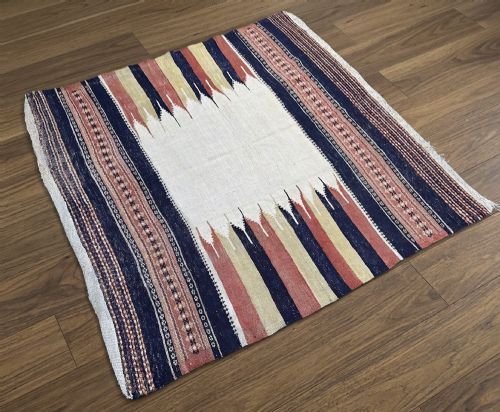
- A flatwoven or pile spread utilised by nomadic tribes for preparing bread or serving communal meals. These textiles often feature minimalist geometric symbols specific to the maker's clan.
- Prayer rug
- A small format textile featuring a mihrab or niche design indicating the direction of Mecca during daily devotions. These pieces were personal items used within the tent or home.
- Gul
- An octagonal medallion or floral motif repeated across the field of tribal carpets, particularly characteristic of Baluch and Turkmen weaving traditions.
- Mihrab
- The arched architectural niche depicted at one end of a prayer rug, symbolising the gateway to paradise.
- Madder
- A natural red dye derived from the roots of the Rubia plant, forming the primary red tone in traditional Persian floor coverings.
Antique Persia Mat: Frequently Asked Questions
How do I clean an antique rug?
Gentle surface brushing and professional specialist washing preserve the delicate natural dyes and wool fibres.
Avoid harsh chemical treatments or immersion washing unless handled by an experienced textile conservator.
Can I use these rugs on heated floors?
Natural materials like wool and cotton tolerate moderate underfloor heating quite well when paired with a breathable underlay.
Ensure the rug is lifted periodically to allow air circulation and prevent moisture trapping.
What is the difference between tribal and village rugs?
Tribal rugs originate from nomadic or semi-nomadic groups weaving from memory on portable vertical looms, resulting in geometric and spontaneous designs.
Village rugs are produced in settled communities using stationary looms, often featuring more structured floral or medallion layouts.
How do I identify a prayer rug?
A prayer rug is distinguished by a prominent pointed arch or mihrab design at one end, framing the upper field.
This architectural motif directs the orientation of the textile during personal prayer.