






Antique Perfume Bottle Stopper
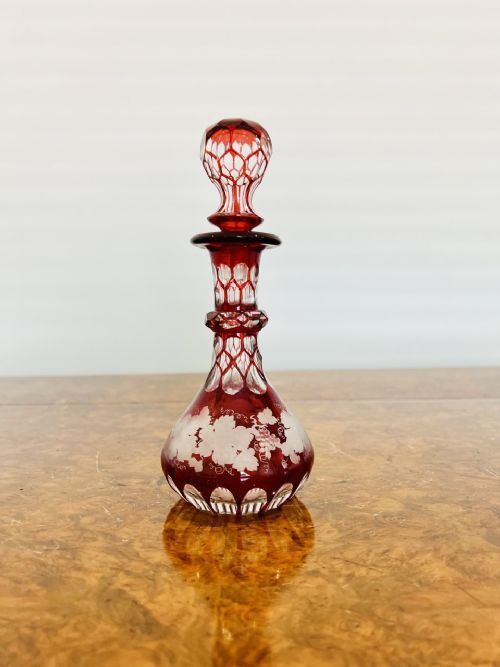
An antique perfume bottle stopper secures the essence within, offering a distinct focal point for collectors of vanity items and decorative glass.
Antique Perfume Bottle Stopper
When searching for an antique perfume bottle stopper, collectors encounter components originating from distinct stylistic eras including the Victorian period and the Art Deco movement. These items frequently survive alongside their original vessels, though individual stoppers occasionally appear independently on the market.
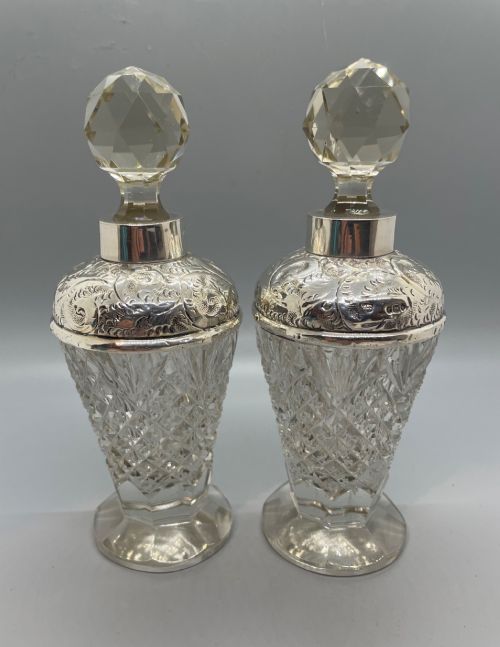
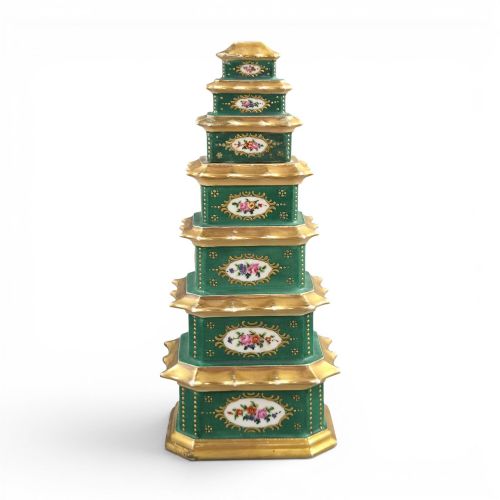
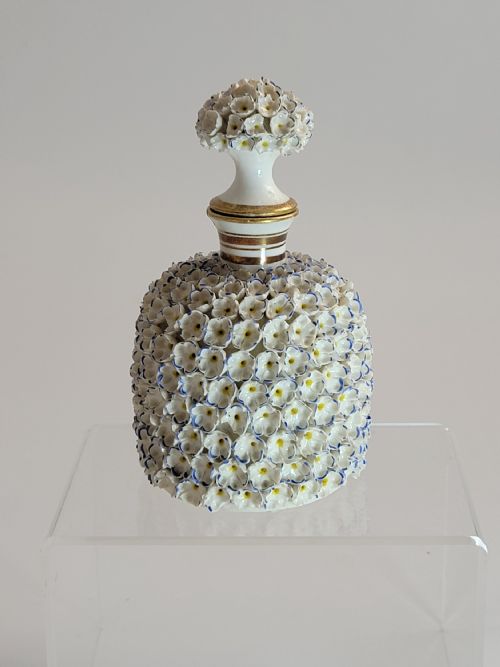
The selections span various forms such as cut glass iterations, moulded opalescent glass examples, and porcelain creations with fitted covers. Pieces range from English silver-mounted designs to continental glassworks from Czechoslovakia and France.
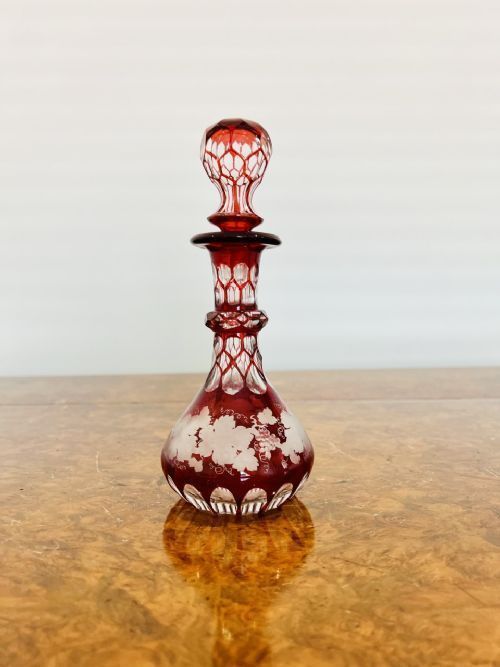
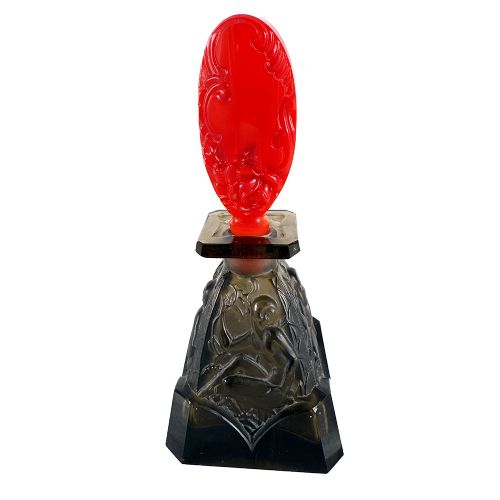
Victorian examples tend to feature heavy cut glass or cranberry overlay components, whilst Art Deco versions often showcase geometric moulded designs or enamel details. Each specimen reflects the dressing table fashion of its respective decade.
Materials and construction methods
Makers utilised glass as the primary medium, employing techniques such as heavy cutting, moulding, and frosting to achieve tactile surfaces. Opalescent glass variations diffuse light through milky translucent bodies, characteristic of twentieth-century French production.
Metalwork components incorporate sterling silver collars and gold leaf accents, frequently hallmarked to indicate the year and place of manufacture in London or other assay centres. Porcelain iterations utilise fired clay bodies adorned with hand-painted enamels and encrustations.
The listings encompass glass, porcelain, and sterling silver materials spanning the Victorian era through the Art Deco period.
Distinctions in quality
Superior examples demonstrate precision in the grinding of the glass shank to ensure a snug fit within the bottle neck. Master glassmakers achieved crisp definition in moulded motifs, particularly in intricate figural or butterfly stoppers where detail remains sharp.
The integration of precious metals elevates the standard, marked by heavy sterling silver mounts or fine enamel work that adheres evenly to the substrate without chipping or crazing.
Karl Palda·Rene Lalique·Sabino·Jacob Petit·Crown Staffordshire·Cartier Paris·Royal Worcester
The Antique Perfume Bottle Stopper Glossary
- Cranberry overlay
- A layer of ruby-red glass fused over clear or white glass, often cut back to reveal the contrasting layer underneath. This technique created rich visual depth on nineteenth-century vanity items.
- Opalescent glass
- A type of glass that appears milky-blue in transmitted light and warm amber or orange in reflected light. It gained immense popularity during the Art Deco era.
- Hallmark
- An official stamp or series of marks applied to precious metals like silver and gold to indicate purity, origin, and date. These marks provide definitive historical context for mounted pieces.
- Chinoiserie
- A decorative style reflecting European artistic interpretations of Chinese and East Asian motifs. It appears on porcelain and ceramic vanity pieces from various periods.
Antique Perfume Bottle Stopper: Frequently Asked Questions
Are stoppers usually matched to their original bottles?
Many surviving pieces retain their factory-original stoppers, particularly in matched pairs or high-end designer works. Collectors verify authenticity by examining the wear patterns on the ground glass shanks.
Replacement components often show inconsistencies in colour, glass chemistry, or fit. Original pairings exhibit uniform ageing across both the vessel and the closure.
What defines an Art Deco stopper?
Art Deco stoppers typically feature stylised motifs, geometric shapes, and frosted or moulded surfaces. French makers championed opalescent glass during this period to catch vanity lighting.
These designs moved away from Victorian floral ornamentation towards sleek, symmetrical profiles. Metal mounts on these pieces often incorporated coloured enamel.
How do I identify a Victorian glass stopper?
Victorian examples frequently utilise heavy cut glass, cranberry overlay, or porcelain bodies with hand-painted details. They tend to feel substantial in the hand due to dense lead crystal compositions.
Mounts on these pieces are commonly made of sterling silver with floral or scroll engravings. The silhouettes reflect the ornate aesthetic of the nineteenth century.