

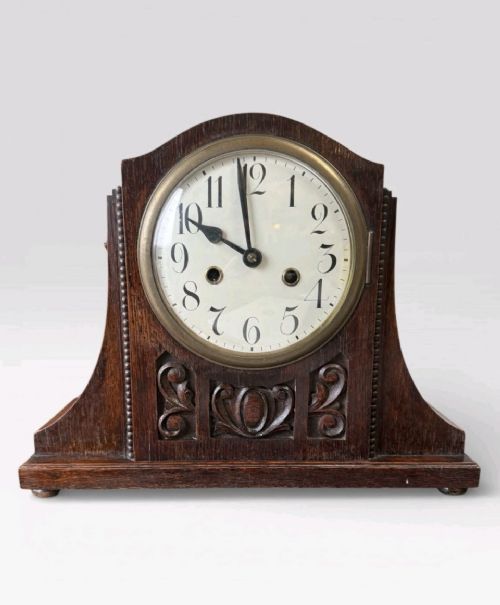


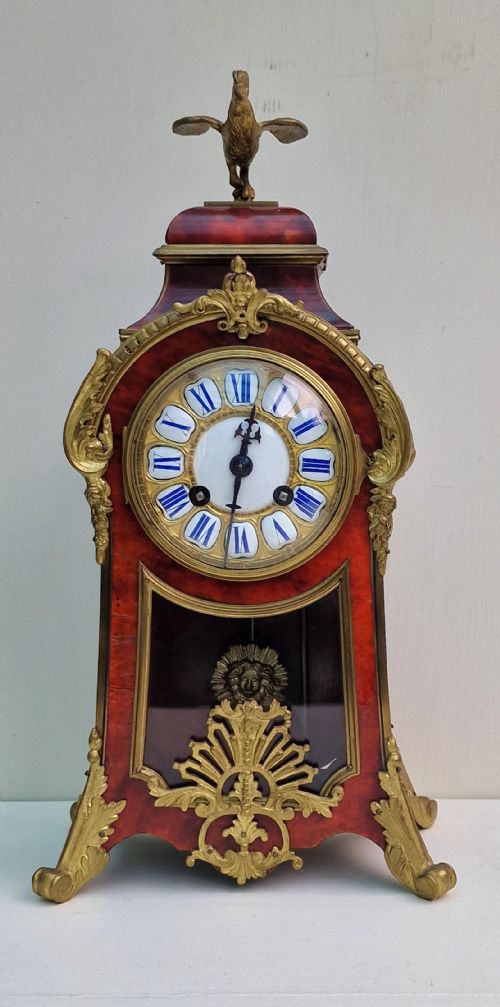

Antique Pendulum Shelf Clock
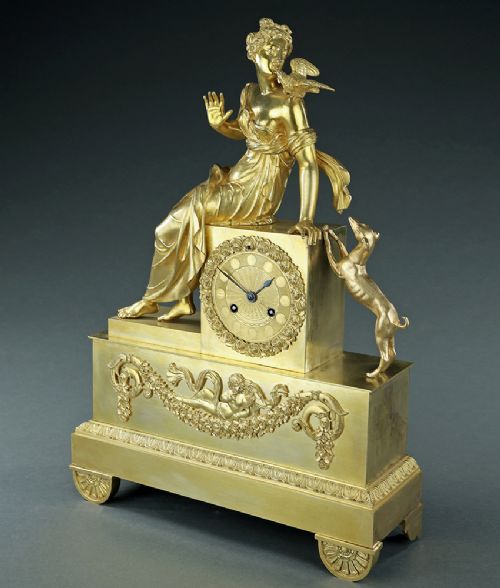
An antique pendulum shelf clock brings mechanical movement and period presence to a room, ranging from mahogany bracket designs to ornate French ormolu.
Antique Pendulum Shelf Clock
An antique pendulum shelf clock is a timekeeper designed to sit on a mantelpiece, bracket, or wall, utilising a swinging pendulum to regulate time. Buyers searching this phrase encounter a heavy representation of French and British pieces spanning the nineteenth century into the Edwardian era, alongside American wall clock variants.
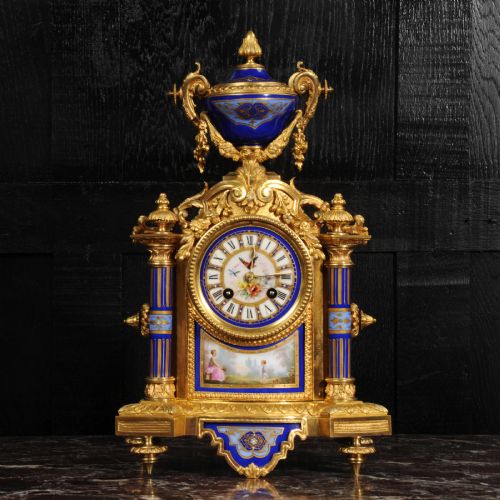
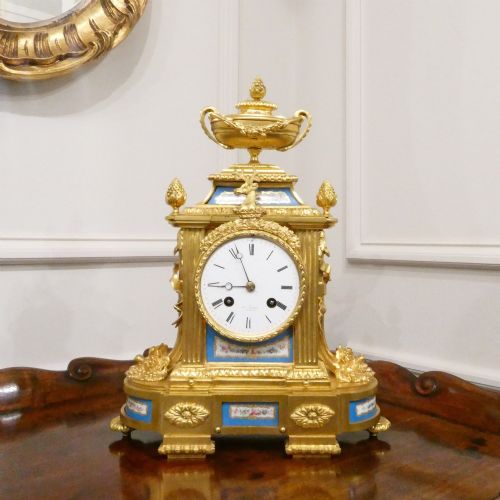
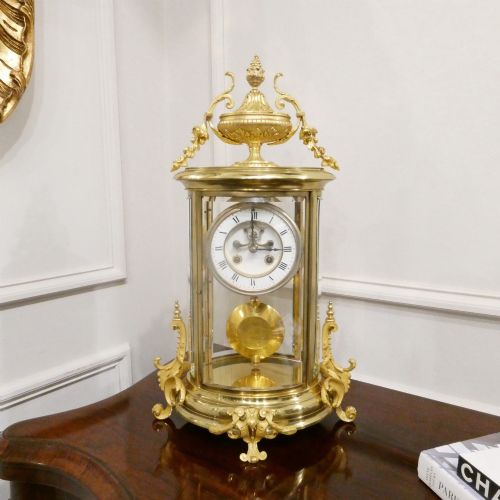
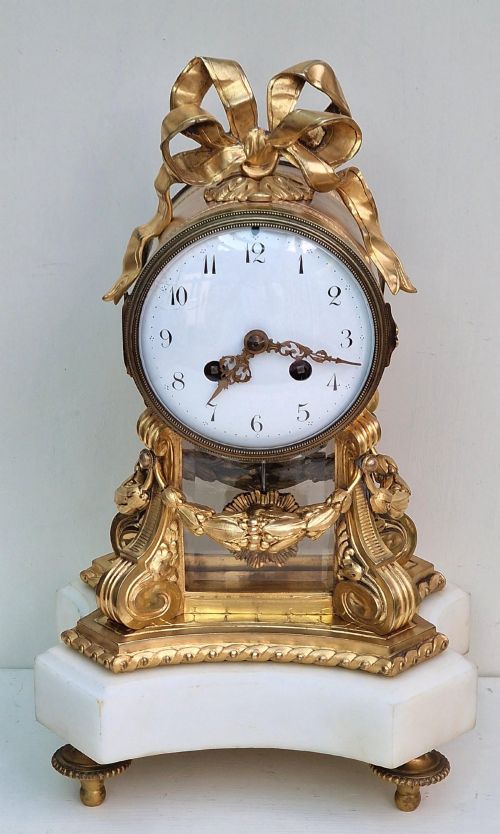
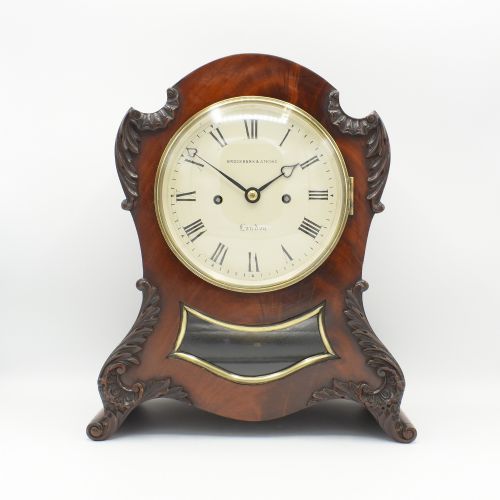
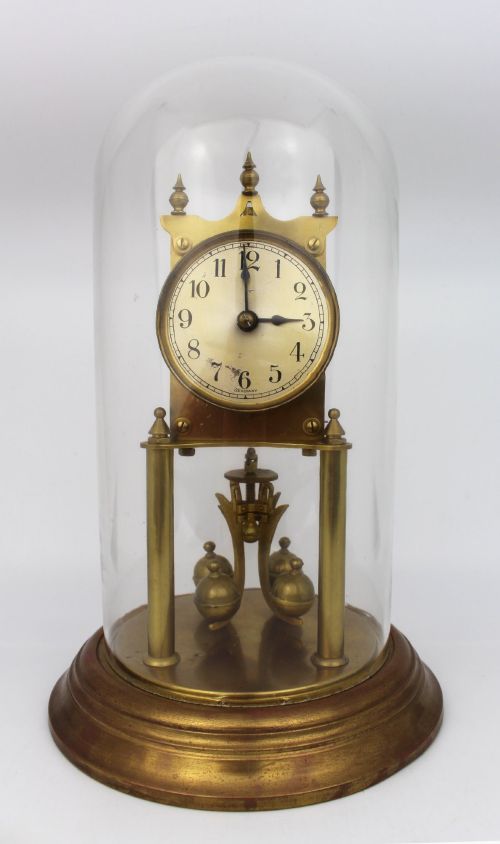
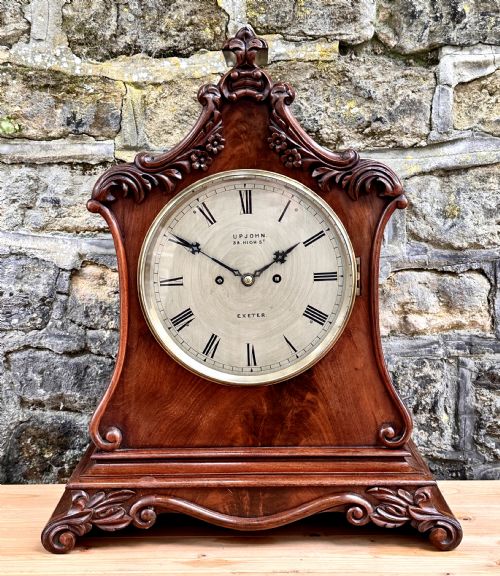
The most common forms on this page include mantel clocks housed in marble, brass, or mahogany cases, as well as specialised four-glass designs that reveal the interior mechanics. Makers frequently employed styles such as Louis XVI revival, Art Nouveau, and Victorian vernacular to decorate the wooden or metallic housings.
Origin and date range from mid nineteenth century examples up to early twentieth century productions. These timepieces served both a domestic utility and a decorative function in period parlours and halls.
Materials and construction methods
Cases rely on a combination of cabinet timbers like mahogany, walnut, and oak, often paired with structural stones such as red marble, white marble, and slate. Metal elements involve cast brass, gilt bronze, and ormolu, frequently accented with enamel dials and porcelain panels.
Movements incorporate brass gears, striking mechanisms, and pendulum suspensions housed within wooden, glazed, or metallic enclosures. Marquetry inlay, carving, and painted panels decorate the exterior surfaces of the finer wooden clock cases.
Listings span the nineteenth and early twentieth centuries, featuring materials from gilt bronze and marble to mahogany and walnut.
Distinctions in craftsmanship
Quality rests in the harmony between the clock movement and its housing, separating standard production pieces from ambitious studio or maker commissions. Heavy cast ormolu, finely painted porcelain dials, and substantial marble or solid mahogany cases signify superior workshop output.
The articulation of the style, whether intricate French Rococo revival bronze work or precise cabinet marquetry, indicates the level of artisan skill involved. Pieces signed by established makers or incorporating complex multi-day striking movements command greater attention from collectors.
Japy Freres·Henry Marc·Samuel Marti·Brockbanks and Atkins·Delettrez
The Antique Pendulum Shelf Clock Glossary
- Ormolu
- Gilded bronze used widely in decorative mounts for nineteenth-century French clock cases. This technique provides a bright metallic finish that resembles solid gold.
- Bracket clock
- A portable timekeeper originally designed to sit upon a wall bracket. These wooden or brass-mounted pieces frequently feature swinging carrying handles.
- Four glass clock
- A mantel clock featuring glass panels on all four sides to expose the internal pendulum and gear train. These brass-framed pieces became popular during the later Victorian period.
- Striking movement
- A mechanical clock system that sounds the hours or half-hours using a bell or gong. Many nineteenth-century examples utilise dual barrels for time and strike functions.
- Marquetry
- The art of applying thin decorative veneer pieces to a wooden surface to create geometric or floral patterns. It appears frequently on mahogany and walnut Edwardian and Victorian clock cases.
Antique Pendulum Shelf Clock: Frequently Asked Questions
How do I wind an antique pendulum shelf clock?
Most mechanical shelf clocks utilise a key inserted into winding holes on the dial face to tension the internal springs or weights. Care must be taken not to over-wind the mechanism.
Pendulum clocks also require the beat to be set level so the ticking sound remains even and the clock continues to run reliably.
Where should I place a shelf clock?
These clocks require a stable, level surface such as a mantelpiece, sturdy shelf, or bracket secured to a wall. A stable foundation prevents the pendulum from binding against the case.
Avoid placing them in areas subject to excessive humidity or direct sunlight, which can affect the timber veneer and dial enamel.
How do I date an antique shelf clock?
Dating relies on stylistic clues such as the presence of brass ormolu mounts, marble colours, and case timber choices. Victorian and Edwardian pieces often exhibit distinct revival motifs.
Signatures on the movement backplate or dial can also identify the maker and narrow down the active production decade.
What is the difference between a mantel and a bracket clock?
Bracket clocks were originally designed to rest on wall brackets and often include a brass handle on top for portability. Mantel clocks are typically heavier and built specifically to sit flat on a mantelpiece.
Over time, the terms have overlapped significantly in antique listings, though four-glass and wooden architectural cases remain distinct forms.