
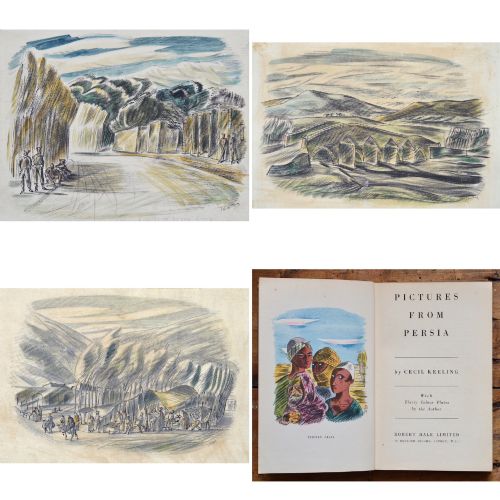
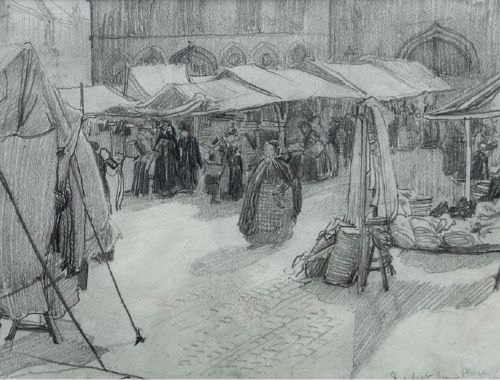
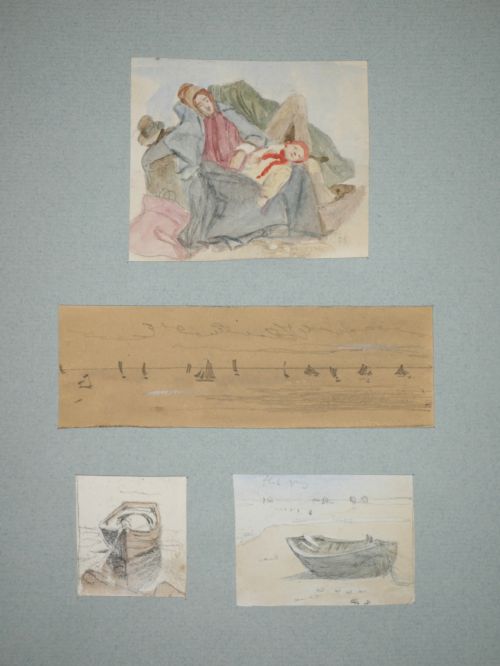
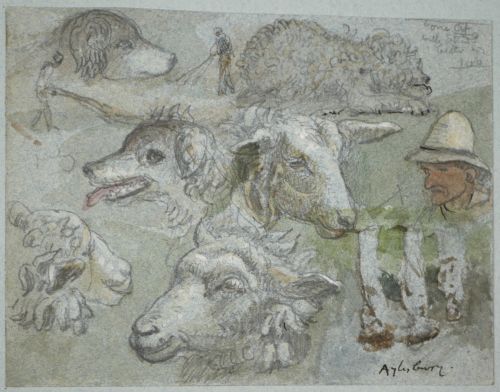


Antique Pencil Paper Artwork
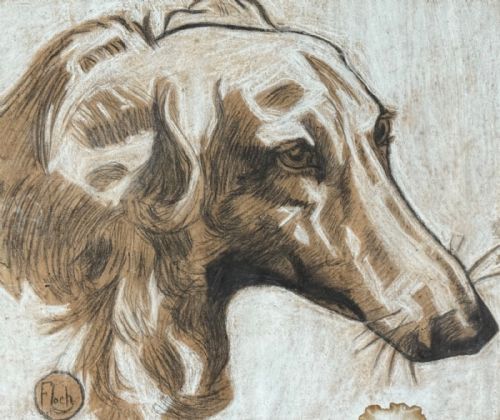
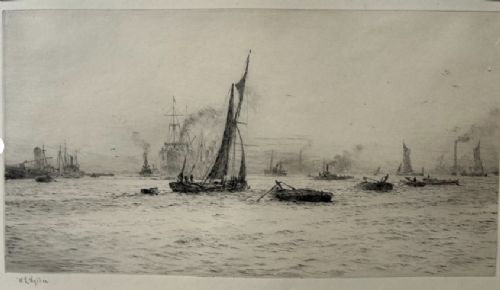
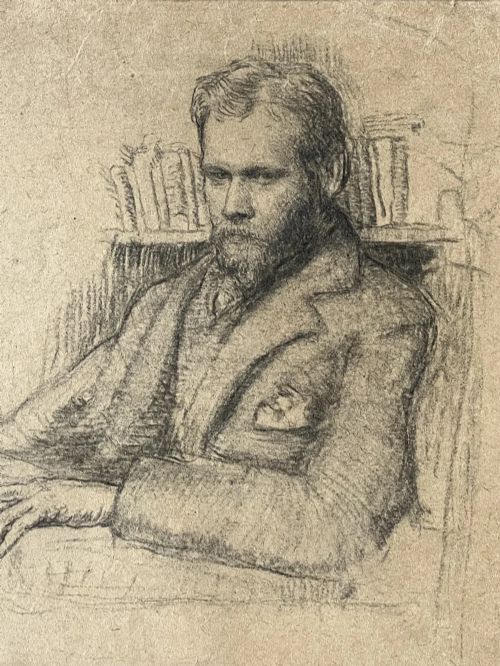
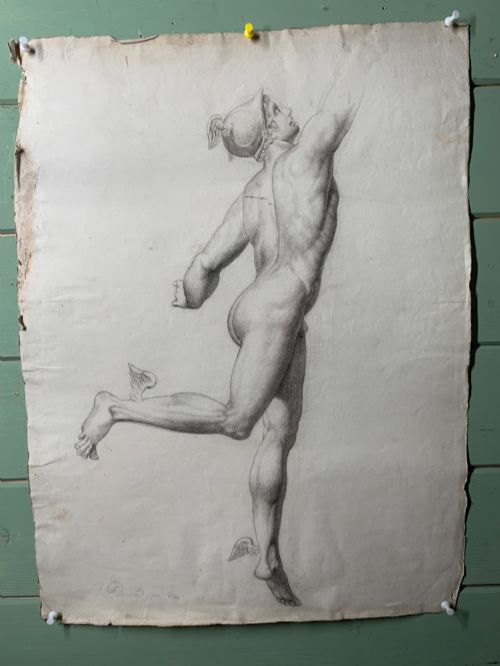
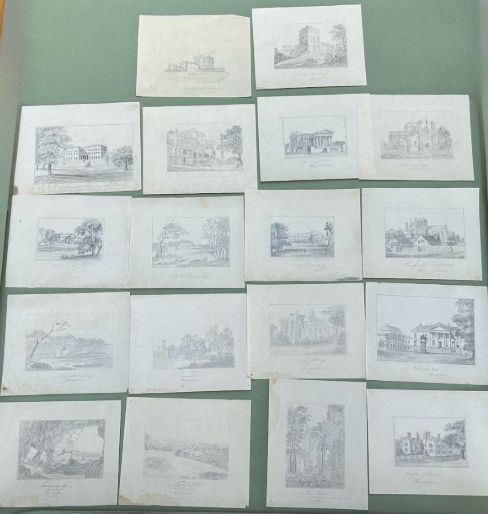
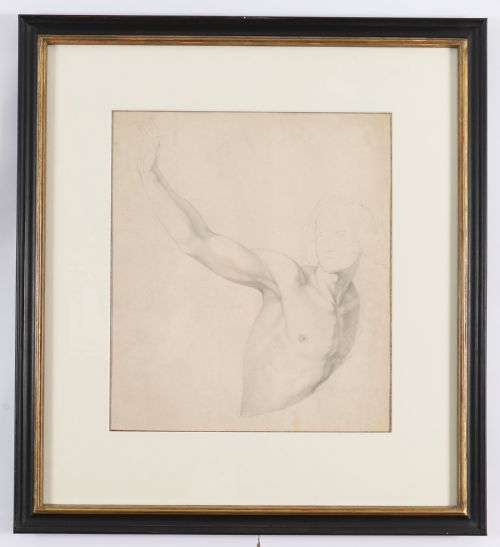
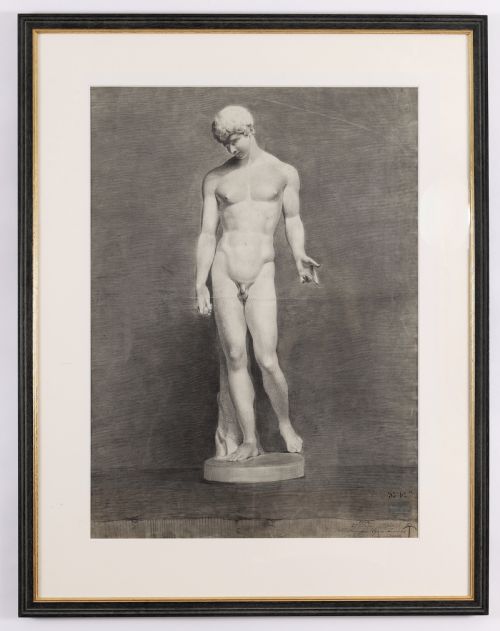
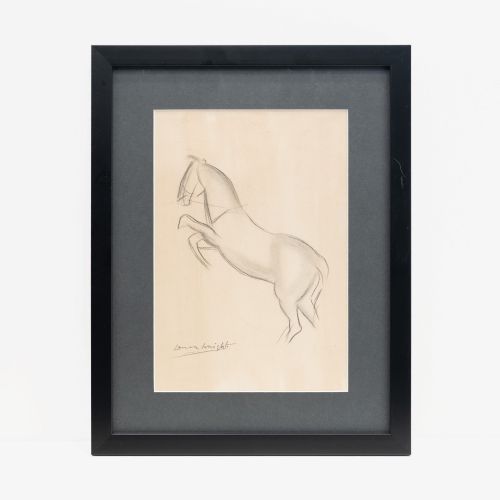
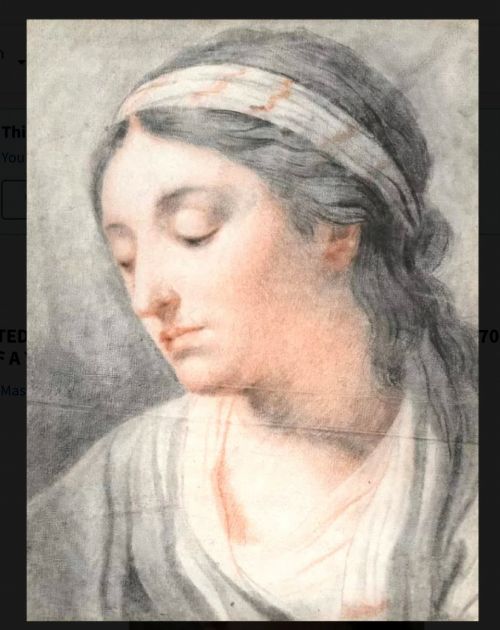
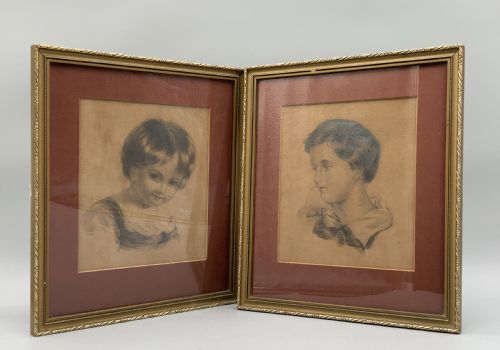
These antique pencil paper artwork pieces capture direct hand-drawn portraiture, landscape studies, and classical copies from past centuries.
Antique Pencil Paper Artwork
When searching for antique pencil paper artwork, collectors encounter original drawings, sketches, and studies executed on paper supports from periods spanning the eighteenth century through the early twentieth century.
The selections on this page are most commonly found in formats such as framed portrait drawings, architectural studies, landscape sketches, and figural compositions.
Originating across British and European schools, these works range from rapid preliminary sketches to highly finished academic renderings produced with graphite, charcoal, and ink.
How They Were Made
Draftsmen and artists utilised graphite, charcoal, and chalk applied directly to various paper stocks, occasionally combining these dry mediums with watercolour washes or gouache for added tonal depth.
The supports consist of traditional paper sheets, buff paper, and tinted boards that have survived centuries through careful mounting and framing behind glass.
Listings feature works spanning the eighteenth, nineteenth, and early twentieth centuries, executed in graphite, charcoal, watercolour, and gouache.
What Varies in Quality
The distinction between ordinary exercises and superior pieces rests upon the surety of the draftsman's line, the accuracy of proportion, and the expressive capture of the subject.
Works that demonstrate confident draftsmanship and psychological depth in portraiture or structural clarity in architectural studies command greater regard among collectors.
James Smetham·William Lionel Wyllie·Augustus John·Demetrios Galanis·Dame Laura Knight·Theobald Chartran
The Antique Pencil Paper Artwork Glossary
- Graphite
- A form of crystalline carbon used as a drawing medium in pencils. It allows for a wide range of tonal values from faint greys to deep blacks.
- Watercolour wash
- A thin, translucent layer of pigment suspended in water applied over or beneath pencil lines. It adds colour and atmosphere to works on paper.
- Gouache
- An opaque watercolour paint containing a binding agent and white pigment added for opacity. Artists utilise it to create highlights on tinted paper.
- Academic realism
- A style of painting and drawing produced under the influence of European academies of art. It emphasises precise anatomical correctness and traditional techniques.
- Buff paper
- A warm, pale yellowish-brown paper stock frequently utilised by nineteenth-century artists. It provides a neutral mid-tone base for highlights and dark mediums.
Antique Pencil Paper Artwork: Frequently Asked Questions
How should I frame antique paper artwork?
These delicate works require conservation-grade mounting materials to prevent acid damage from standard cardboards. Professional framers use hinges made of Japanese paper and starch paste rather than direct adhesives.
Ultraviolet-filtering glass or acrylic protects the fugitive pigments in pencil, charcoal, and watercolour from fading under ambient light. Keeping the framed piece away from direct sunlight preserves the integrity of the paper support.
What is the difference between a sketch and a study?
A sketch is typically a rapid preliminary recording of a scene, pose, or composition captured quickly by the artist. These are often loose in execution and meant to be reference material for larger paintings.
A study is a more deliberate, highly finished exploration of a specific subject, such as a single head, a horse, or an architectural element. Studies demonstrate careful attention to light, shadow, and anatomical detail.
How do I identify the period of a drawing?
Dating works on paper involves examining the watermark on the paper stock, the framing style, and the costume or hairstyle of any figures depicted. Signatures, inscriptions, and gallery labels on the reverse also provide historical anchors.
Stylistic conventions of the execution help distinguish eighteenth-century neoclassical renderings from nineteenth-century academic drawings or early twentieth-century avant-garde experiments.
Can I hang drawings in bright rooms?
Pencil, graphite, and watercolour mediums are sensitive to strong light and will fade over long periods of exposure. Hanging these pieces on interior walls away from direct sunlight prevents irreversible damage to the paper and pigments.
Rotating works or utilising specialist museum glass mitigates environmental risks while allowing the artwork to be safely displayed in domestic interiors.