



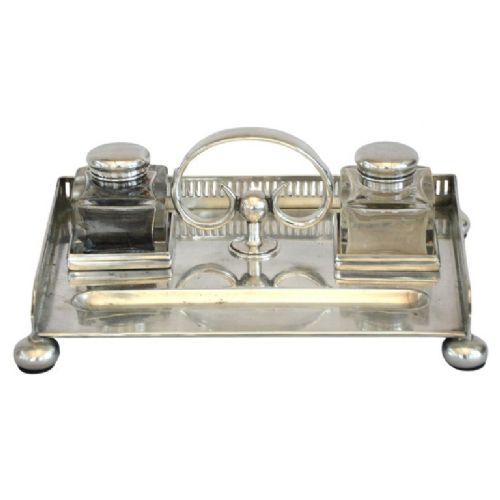
Antique Pen Stand Inkwell
An antique pen stand inkwell anchors the writing desk, combining utility and ornament through periods ranging from Georgian elegance to Victorian elaboration.
Antique Pen Stand Inkwell
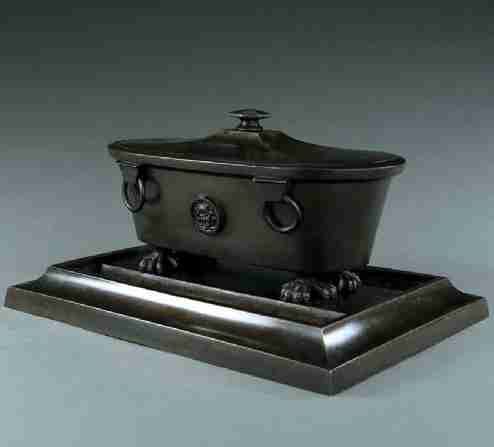
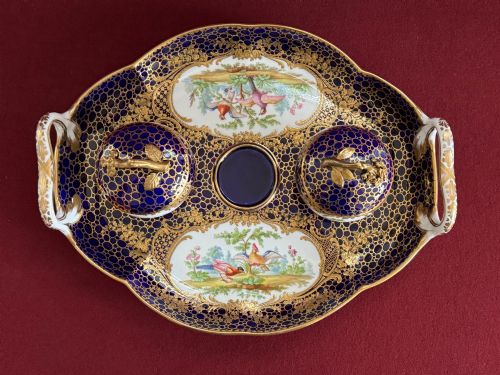
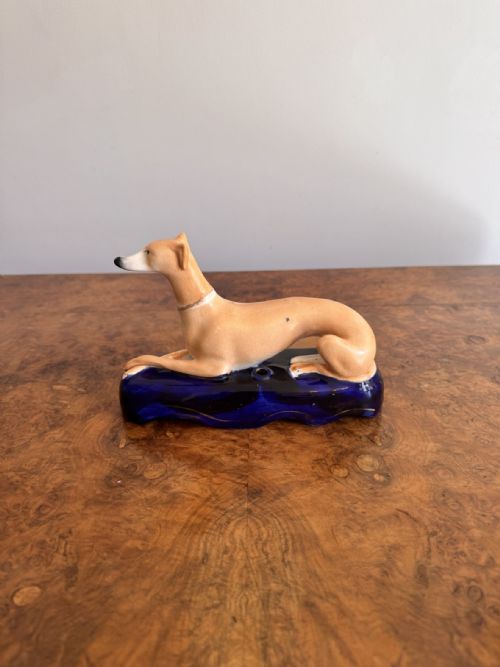
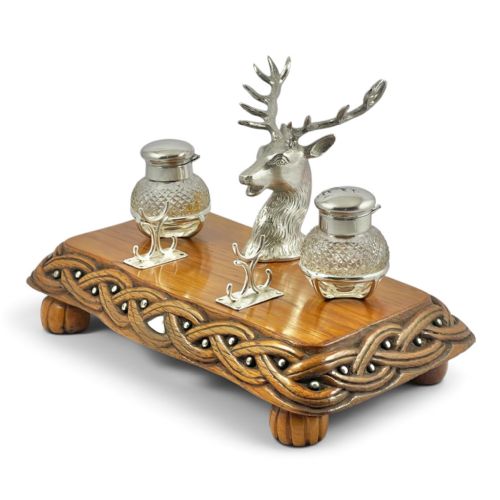
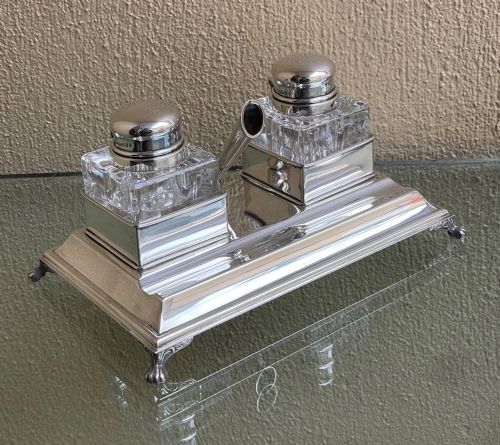
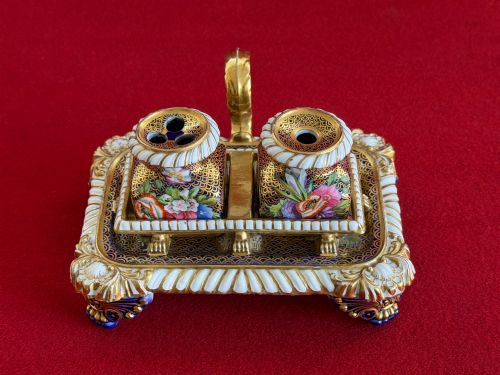
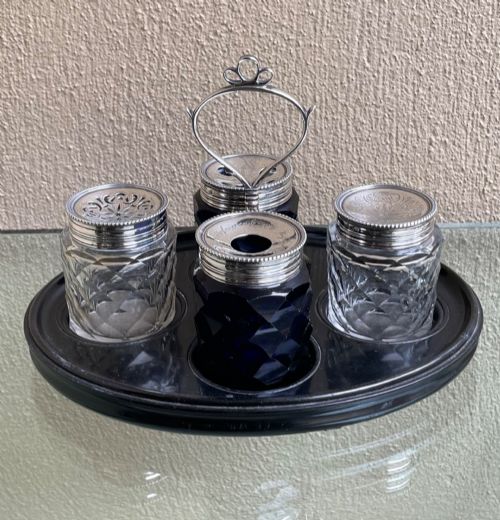
An antique pen stand inkwell serves as a combined desk accessory designed to hold writing instruments alongside glass or ceramic ink containers.
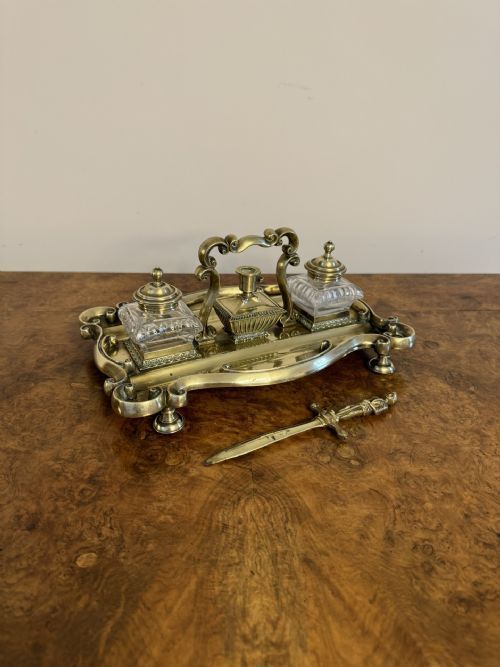
Buyers encountering this group will frequently find Victorian brass, silver plated, and coromandel constructions alongside earlier Georgian silver designs and Edwardian variations.
These pieces range from modest desk tidies with a single well to elaborate double inkstands featuring chambersticks and integrated pen rests.
Materials and construction methods
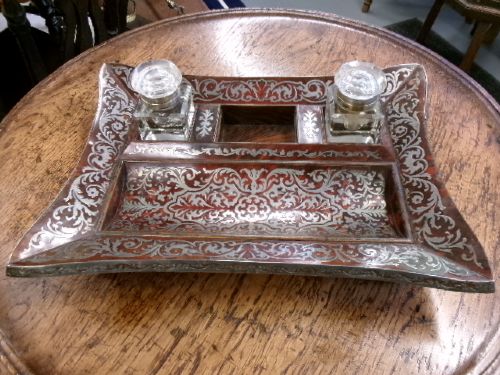
Maker workshops utilised dense hardwoods like coromandel, walnut, and ebony, frequently enhanced with brass stringing, mother-of-pearl inlay, or Boulle work.
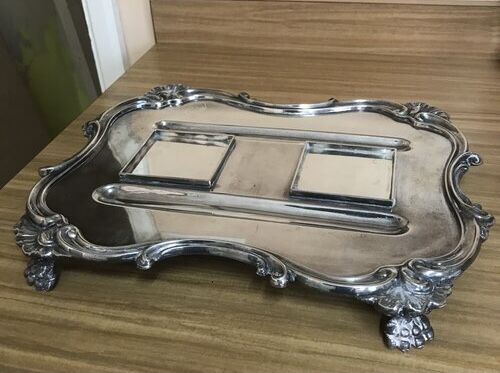
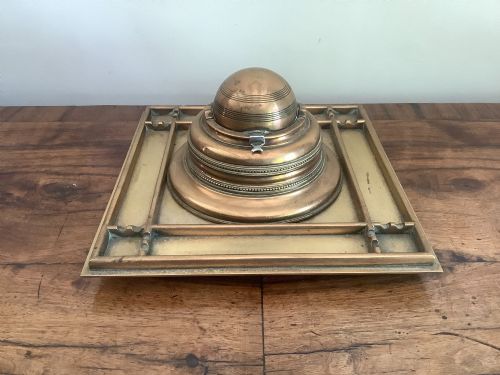
Metal components draw on solid sterling silver, silver plate, cast brass, and patinated bronze, often paired with cut glass inserts or porcelain bodies from factories like Spode and Minton.
Antique Pen Stand Inkwell Retail Price Guide 2026
Typical asking prices for pen stand inkwell among the pieces listed under this phrase on Sellingantiques today, from the lower quarter to the upper quarter. They describe what is for sale here now, not the wider market.
Equestrian-themed inkstands occasionally feature miniature horse shoes as dedicated pen rests for the hunting enthusiast.
Assessing craftsmanship and design
Quality rests upon the crispness of the casting in bronze and brass mounts, the precision of wood veneers, and the integrity of fitted silver components.
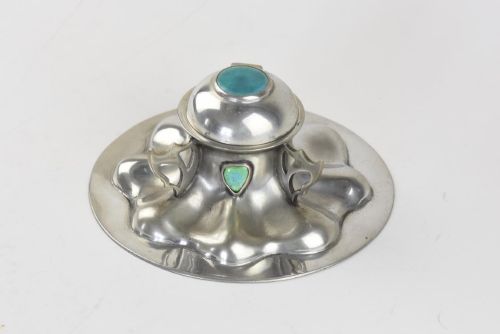
Superior examples incorporate integrated elements like chambersticks, clocks, or Ruskin cabochons, whilst simpler utilitarian desk tidies rely solely on functional wood and glass arrangement.
William Hutton·Walker And Hall·Robert Garrard·Rupert Favell
The Antique Pen Stand Inkwell Glossary
- Inkstand
- A comprehensive tray or stand housing one or more inkwells, pen rests, and sometimes accessory items like sanders or wafer boxes. These act as the central stationary piece on a nineteenth-century desk.
- Boulle work
- An elaborate form of marquetry utilising brass and tortoiseshell inlaid into wood surfaces, named after the French cabinetmaker. It creates a shimmering, highly decorative finish on mid-nineteenth-century stands.
- Capstan
- A desk inkwell shaped like a ship's capstan, tapering upwards from a wide circular base. This sturdy form became particularly popular during the Edwardian period in silver and glass.
- Chamberstick
- A short portable candlestick attached directly to a desk stand or inkstand. It provided the flame necessary for melting sealing wax on correspondence.
Antique Pen Stand Inkwell: Frequently Asked Questions
What is the difference between an inkstand and an inkwell?
An inkwell is simply the small container that holds the liquid ink, usually fitted with a hinged lid. An inkstand is the broader tray or chassis that holds the inkwell alongside pen rests and other desk accessories.
While an inkwell can sit alone on a blotter, an antique inkstand forms a complete desk ensemble designed to organise writing materials in one place.
How do I care for antique wood and silver desk stands?
Wood surfaces like coromandel or walnut benefit from occasional gentle waxing to preserve the grain and prevent the timber from drying out. Silver and brass components require careful polishing with a non-abrasive cloth to avoid wearing down hallmarks or intricate engraving.
Glass inserts should be removed and washed by hand in warm soapy water, ensuring they are completely dry before returning them to their metal or wooden collars.
Were these pieces used for daily writing?
In the eighteenth and nineteenth centuries, these stands were essential daily tools for correspondence, accounting, and record-keeping in homes and offices. Wealthier households maintained elaborate versions in libraries and drawing rooms, while simpler wooden or brass models served utilitarian functions.
The presence of pen rests and integrated sanders for drying ink highlights their role in active writing routines before the invention of the fountain pen.
How can I tell the period of a desk stand?
Stylistic clues and materials offer the clearest indication of date, such as the heavy neoclassical bronze of the mid-nineteenth century or the flowing botanical lines of Art Nouveau pieces. Hallmarks on silver mounts provide exact assay office dates and maker marks for reliable attribution.
Wood choice also helps narrow the era, as exotic timbers like coromandel and calamander were particularly favoured during the Victorian period for high-end desk accessories.