




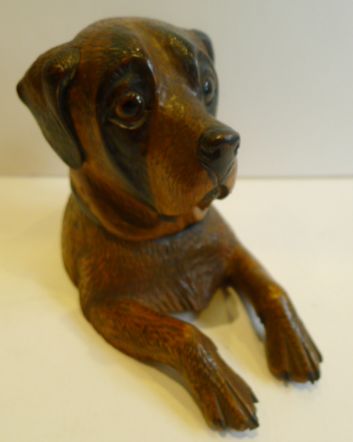


Antique Novelty Inkstand
An antique novelty inkstand brings wit and sculptural presence to a desk, transforming a mundane writing implement into an animal, bird or human figure.
Antique Novelty Inkstand
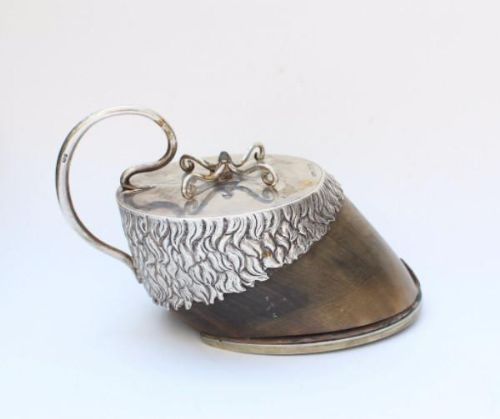
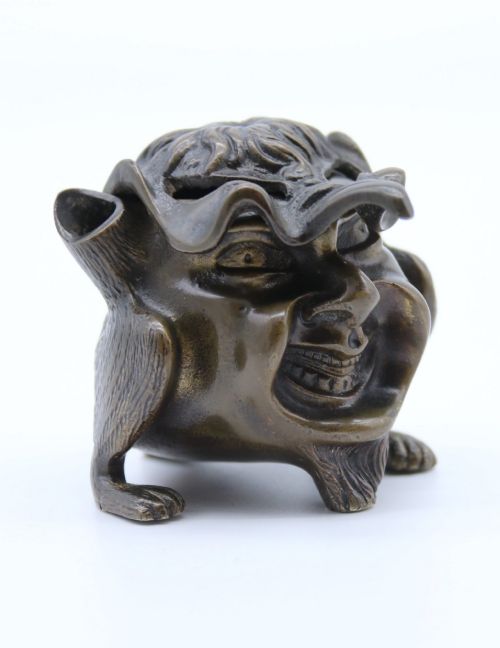
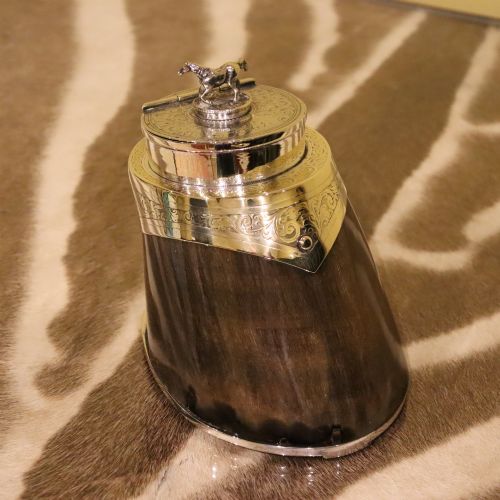
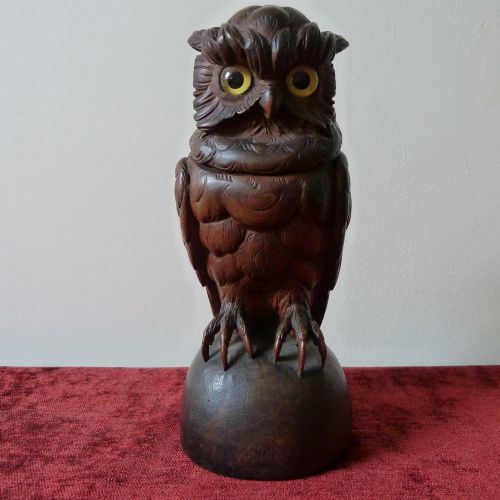
Most commonly, these pieces depict owls, dogs, horses' hooves and exotic creatures cast in bronze, carved in Black Forest wood, or mounted in sterling silver and brass. They combine functional glass or ceramic ink inserts with sculptural housings that conceal the inkwell beneath a hinged lid, a cap or a head.
The assortment ranges from small, single-reservoir desk tidies shaped like cats or jockey caps to large, elaborate triple inkstands and heavy taxidermy hoof mounts. Each piece serves as both a practical desk accessory and a miniature sculpture designed to amuse or impress.
Materials and Technique
Foundry casting in bronze, brass and ormolu allowed makers to render intricate details such as feathers, fur and facial expressions with high precision. Cold painted bronze introduced vivid colour to animal figures, while silver plating and solid sterling silver provided a polished, formal finish for mounts and caps.
Carved wood, particularly from the Black Forest region, utilised Linden and oak to shape lifelike cats, dogs and owls with inlaid glass eyes. Stoneware, glass and mahogany formed the sturdy bodies and reservoirs that held the ink safely away from the wooden or metal exterior.
Internal glass liners and fitted ceramic inserts were essential to contain the corrosive liquid ink without damaging the surrounding metal or wood. Hinged mechanisms, often concealed within the anatomy of the creature, allowed easy access to the well while keeping the pen nib moist.
Antique Novelty Inkstand Retail Price Guide 2026
Typical asking prices for novelty inkstand among the pieces listed under this phrase on Sellingantiques today, from the lower quarter to the upper quarter. They describe what is for sale here now, not the wider market.
Several owls peer out with original glass eyes, watching over the desk with steadfast nineteenth-century vigilance.
Distinction in Craft
Quality rests upon the naturalism of the sculptural model and the crispness of the casting or carving. Superior examples display finely textured fur, realistic glass eyes and substantial weight in the metal or dense grain in the carved wood.
The integrity of the original components heavily influences the standard of a piece. Retaining the original glass insert, the proper hinged lid, and matching silver mounts distinguishes a well-preserved survivor from one altered over time.
The Antique Novelty Inkstand Glossary
- Inkstand
- A complete desk tray or stand incorporating one or more inkwells, pen holders, and sometimes a sander or bell. It anchors the writing equipment as a unified set.
- Cold painted bronze
- A technique where bronze figures were painted with polychrome oil paints rather than fired in a kiln. The paint is prone to chipping with handling.
- Black Forest
- A nineteenth-century carving style originating in Switzerland and Germany, renowned for realistic depictions of animals, particularly bears, dogs and owls. These pieces often utilise Linden wood.
- Taxidermy mount
- The preservation and integration of real animal parts, such as horses' hooves or horns, into functional decorative objects. They frequently feature silver or brass mounts.
- Animalier
- A nineteenth-century artistic focus on the realistic portrayal of animals in sculpture. It prioritises anatomical accuracy combined with lively poses.
Antique Novelty Inkstand: Frequently Asked Questions
What is an antique novelty inkstand?
An antique novelty inkstand is a desk accessory shaped to resemble an animal, bird, sports item or human figure while concealing a glass or ceramic ink reservoir. They combine nineteenth-century practicality with playful or elaborate sculptural design.
These pieces were produced in bronze, brass, silver and carved wood for use on Victorian and Edwardian writing desks. They functioned as both ink containers and decorative table ornaments.
How were novelty inkstands used?
They were placed on writing tables in studies, libraries and drawing rooms to provide ink for dip pens. The hinged head or lid lifted to reveal the glass ink insert.
Many designs included built-in channels to rest pens, compartments for stamps or wafers, and sometimes a small bell or pocket watch. They served as conversation pieces for the writer and their guests.
How do I date these pieces?
Dating relies on stylistic clues, registration marks, hallmarks on silver components, and the materials used. The Victorian and Edwardian periods produced the vast majority of these figural designs.
Victorian pieces often display heavier casting and elaborate taxidermy or Black Forest carving, while later twentieth-century examples lean towards Art Deco stylisation. Hallmarks provide exact years of assay for silver elements.
How do I care for an antique inkstand?
Keep the piece away from direct sunlight and excessive moisture to protect wooden carvings and cold-painted bronze surfaces. Dust gently with a soft, dry brush.
Avoid using liquid metal polishes on patinated bronze or cold-painted surfaces, as this removes the original finish. If the inkwell retains its glass liner, ensure it is thoroughly cleaned and dried if used.